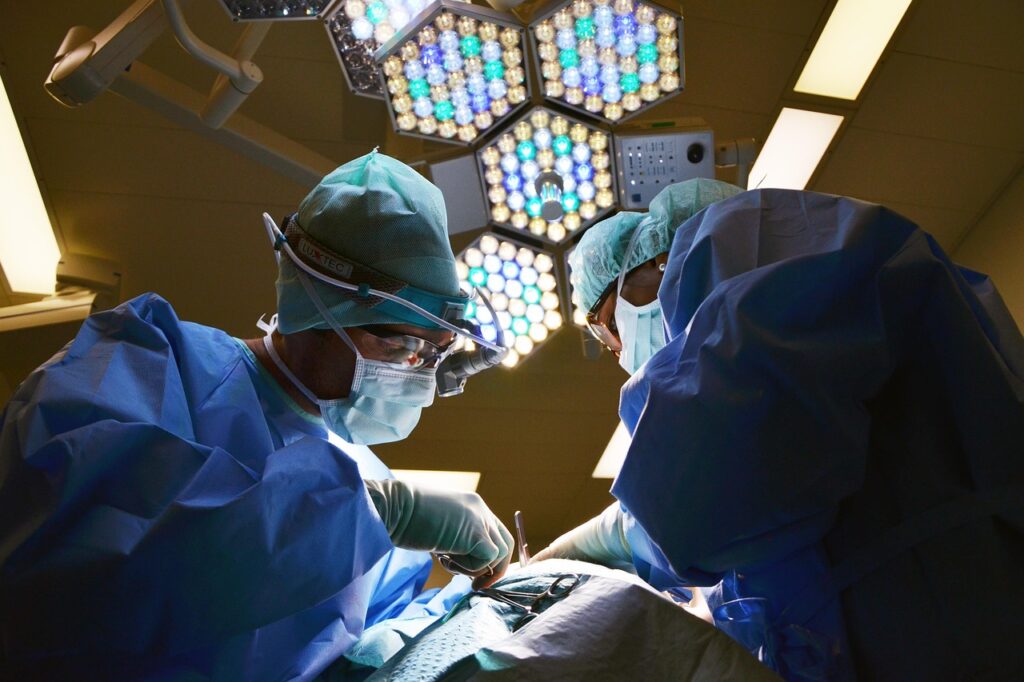
Imagine a world where a misdiagnosis could become a relic of the past. With studies suggesting that AI can outperform human doctors in diagnostic accuracy by over 20%, the question looms large: could AI doctors be the safer choice for our health? As technology advances at an unprecedented pace, we must confront the implications of entrusting our well-being to algorithms. Are these digital healers the future of medicine, or do they pose risks that we have yet to understand? Join us as we explore the potential of AI in healthcare and its impact on patient safety.
Will AI Doctors Be Safer Than Human Doctors?
As technology evolves, the integration of artificial intelligence (AI) into healthcare continues to raise intriguing questions. One of the most pressing inquiries is whether AI doctors will be safer than their human counterparts. To explore this topic, we’ll dive into the capabilities of AI in medicine, the strengths and weaknesses of human doctors, and the implications for patient safety.
#
The Rise of AI in Healthcare
AI technologies, such as machine learning algorithms and natural language processing, are making waves in the medical field. Here are some key points about the rise of AI in healthcare:
#
Human Doctors: The Human Touch
While AI technology continues to advance, human doctors bring unique advantages to the table. Let’s examine some of their strengths:
#
A Comparative Look: AI Doctors vs. Human Doctors
To better understand the differences and potential safety implications, let’s look at a comparison table:
| Feature | AI Doctors | Human Doctors | |
| Data Processing Speed | Extremely fast and efficient | Slower due to manual data interpretation | |
| Emotional Intelligence | Lacks empathy and emotional understanding | High emotional intelligence and empathy | |
| Consistency | Consistent performance without fatigue | Performance can vary due to stress/fatigue | |
| Ethical Decision-Making | Limited ability to navigate ethics | Capable of complex ethical reasoning | |
| Personalization | Limited personalization based on algorithms | Highly personalized care based on patient interaction | |
| Diagnostic Accuracy | High accuracy in data-driven diagnostics | Accuracy can vary; relies on experience |
#
The Safety Debate: Pros and Cons
Now that we’ve set the stage with a comparison, let’s delve into the safety implications of using AI versus human doctors.
##
Pros of AI Doctors
##
Cons of AI Doctors
#
Conclusion: The Future of Healthcare
As we look toward the future, the question of whether AI doctors will be safer than human doctors is complex. While AI offers significant advantages in terms of speed, efficiency, and data processing, it lacks the emotional intelligence and ethical reasoning that human doctors provide.
Ultimately, the most effective healthcare system may be one that combines the strengths of both AI and human doctors. By leveraging AI to assist with diagnostics and treatment plans while preserving the essential human elements of empathy and ethical decision-making, we can create a safer and more effective healthcare environment for everyone.
In the end, the collaboration between AI and human healthcare providers may pave the way for a new era in medicine, where both safety and compassion flourish.
In conclusion, while AI doctors have the potential to enhance diagnostic accuracy and streamline healthcare processes, the question of safety compared to human doctors remains complex. Factors such as the quality of data, ethical considerations, and the need for human empathy play critical roles in patient care. As we explore the integration of AI into medicine, it’s essential to consider how these technologies can complement human expertise rather than replace it. What do you think-can AI truly provide a safer alternative to traditional medical practitioners, or will it always require the touch of a human doctor?