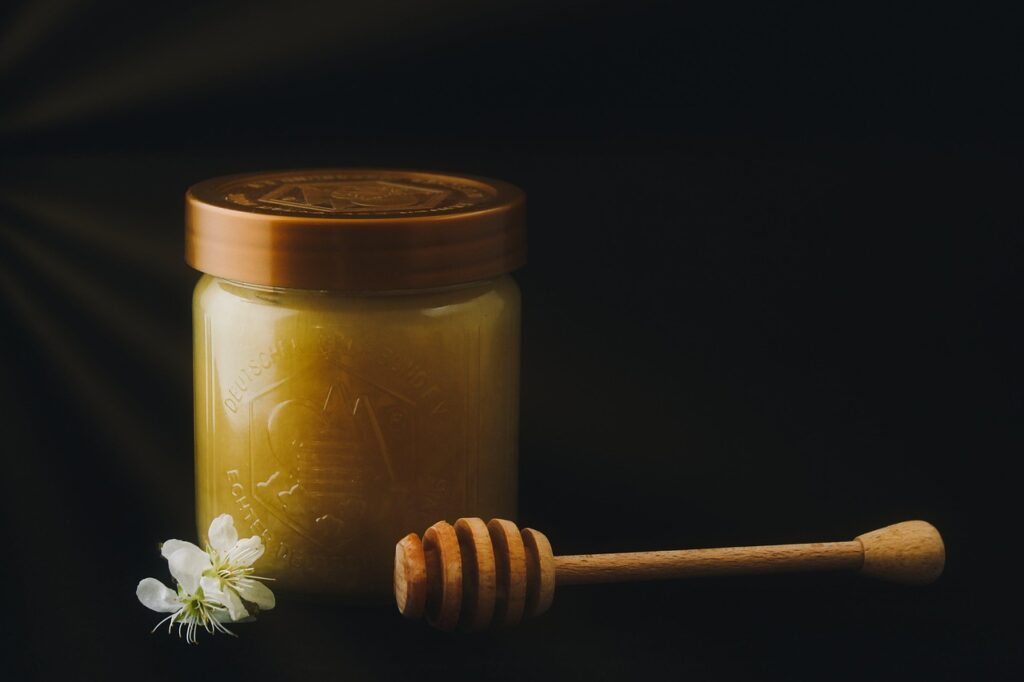
Did you know that archaeologists have discovered pots of honey in ancient Egyptian tombs that are over 3,000 years old and still perfectly edible? This golden elixir, cherished throughout history for its sweetness and medicinal properties, defies the conventional rules of perishability. While most foods succumb to time, honey remains a timeless treasure, capable of lasting for millennia. Join us as we explore the fascinating science behind this remarkable substance and uncover why honey has earned its place as nature’s eternal treat.
Honey Never Spoils: A Sweet Tale of Timelessness
Honey is one of nature’s most remarkable gifts, not just for its delicious flavor but also for its incredible longevity. Archaeological discoveries have shown that honey can last thousands of years without spoiling, making it a unique staple in human history and an intriguing subject of scientific study. In this blog post, we delve into why honey has such an impressive shelf life, how it compares to other food items, and what this means for us today.
#
The Science Behind Honey’s Longevity
Honey’s ability to withstand the test of time can be attributed to several key factors:
#
A Glimpse into History
Honey has not only been a staple in diets but also a symbol in various cultures. Ancient Egyptians used honey as an offering to the gods and even as a component in their embalming processes. Some jars of honey found in ancient tombs have been dated to be over 3,000 years old and still perfectly edible! This fascinating historical context adds layers to honey’s reputation as a timeless food.
#
Comparing Honey to Other Foods
To better understand honey’s unique properties, let’s see how it stacks up against some other common foods in terms of shelf life:
| Food Item | Shelf Life | Notes | |
| Honey | Indefinite (thousands of years) | Never spoils due to low water content and acidity. | |
| White Rice | Indefinite (if stored properly) | Can last forever when kept in a cool, dry place. | |
| Sugar | Indefinite | Pure sugar does not spoil, but may clump together. | |
| Canned Vegetables | 2-5 years (if unopened) | Can spoil after opening, especially if not refrigerated. | |
| Fresh Fruits | 1 week to 1 month | Highly perishable and usually spoils quickly. |
#
Fun Facts About Honey
#
Storing Honey: The Right Way
To ensure that your honey lasts indefinitely, follow these simple storage tips:
#
Conclusion
The fact that honey never spoils and can last for thousands of years is a testament to its unique chemical composition and the natural processes behind its creation. Whether you’re drizzling it over your morning toast, using it in recipes, or exploring its historical significance, honey is more than just a sweet treat; it’s a resilient food that has withstood the test of time. So, the next time you enjoy a spoonful of honey, remember you’re tasting a bit of history that’s as timeless as the bees that made it!
In conclusion, the remarkable longevity of honey, which can last for thousands of years without spoiling, highlights its unique composition and natural preservatives. This fascinating characteristic not only makes honey a timeless food source but also an intriguing topic for culinary enthusiasts and historians alike. What are your thoughts on the uses of honey throughout history, or do you have any favorite recipes that feature this ancient sweetener?