

Burnout Test 6 Quiet Signs Your System Is Running Out of Fuel
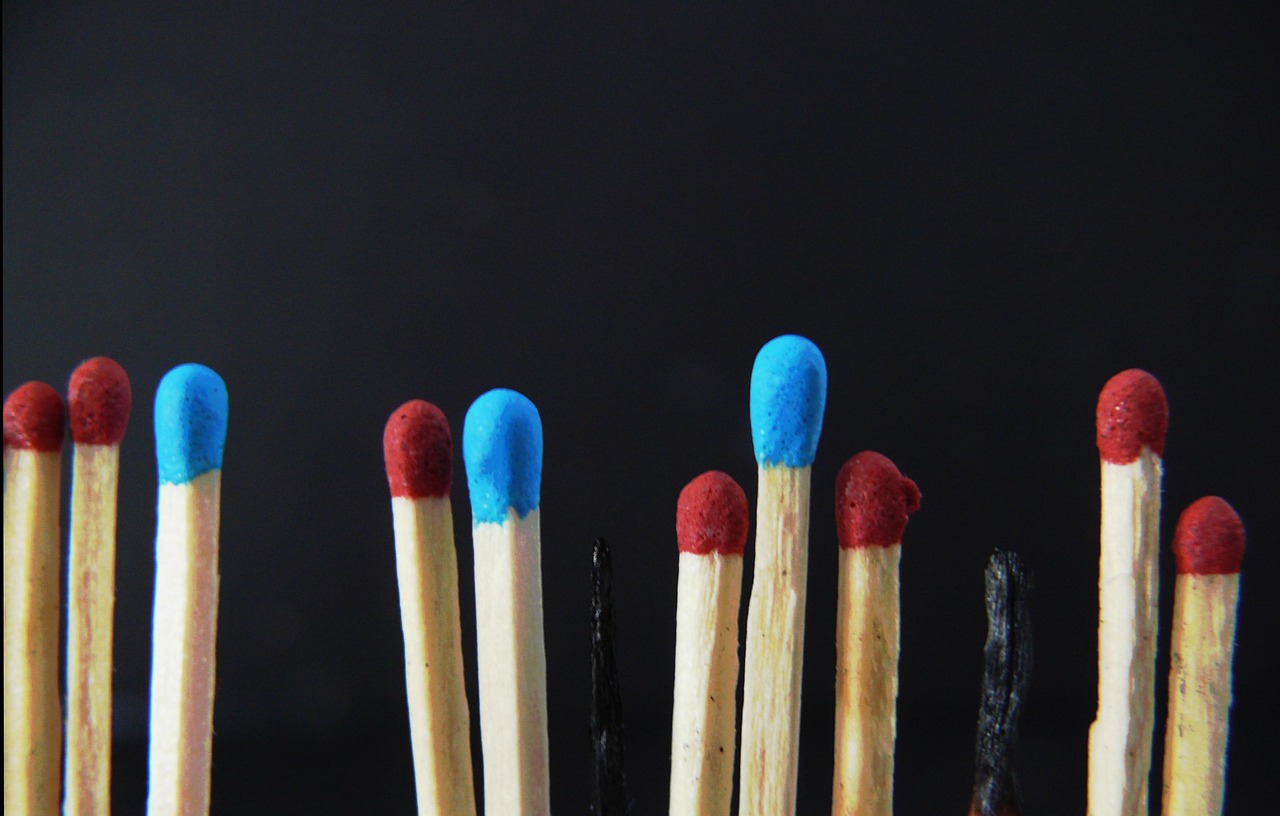
Burnout Test 6 Quiet Signs Your System Is Running Out of Fuel
Burnout Test
Burnout rarely kicks the door in. It doesn’t always arrive with a dramatic breakdown, a public meltdown, or a visible crash. More often, it moves like fog: quietly, steadily, and with the kind of patience that makes you doubt it’s even there. You keep going because you can. You reply, deliver, perform, and smile on command. You tell yourself you’re “just tired,” “just busy,” “just in a season.” Then one day you notice a new rule running your life: everything costs more than it should. Getting out of bed costs more. Answering a message costs more. Caring costs more. Even doing nothing costs more, because your nervous system doesn’t know how to stop bracing.
This Psychology Lab assessment is built for that exact moment-the moment you suspect you’re running on fumes, but you don’t have a clean label for it. Burnout isn’t simply stress. Stress says: “Too much.” Burnout says: “Nothing left.” It’s the slow erosion of energy, meaning, and emotional capacity after prolonged demand with insufficient recovery. And here’s the part that stings: people who burn out are often the people everyone counts on. The reliable ones. The capable ones. The ones who don’t “cause problems.” Until the body becomes the problem.
If you’re reading this and feeling guilty for even considering burnout, that guilt is a symptom of the system you’ve been surviving. Burnout isn’t a moral failure. It’s a resource mismatch: demands exceed capacity for too long, and the mind-body system adapts by shutting down what it can-motivation, patience, creativity, empathy-just to keep you standing.
What This Burnout Test Measures
This test scans for the practical, real-life fingerprint of burnout: emotional exhaustion, mental distance (that “I can’t care” sensation), and depleted efficacy (feeling like your effort doesn’t produce the same results anymore). It also looks at the hidden signs people overlook because they don’t look like “stress”: irritability, numbness, cognitive fog, hypervigilance, withdrawal, revenge procrastination, and the subtle loss of meaning that makes your routine feel like a loop.
You’ll answer 10 questions about your recent patterns. There are no perfect answers. Don’t answer based on who you were last year, or who you want to be next month. Answer based on the version of you who lives in your actual week: the micro-moods, the energy dips, the way your brain behaves after you close the laptop, and the way your body reacts when someone asks for “one more thing.”
- Think last 2-4 weeks. Burnout is a pattern, not a single bad day.
- Pick what happens most often. Even if you dislike the answer.
- Notice your body while reading: tight chest, heavy eyes, clenched jaw, restless legs-signals matter.
The Science: Why Burnout Feels Like You’re Becoming a Different Person
Burnout is what happens when your stress response becomes chronic, and recovery becomes optional. Under pressure, your body mobilizes: attention narrows, adrenaline rises, and you become efficient at short-term survival. In the short run, this can look like “high performance.” You can push through. You can operate under pressure. You can solve problems fast. The trap is that the body doesn’t interpret modern stressors as “emails and meetings.” It interprets them as threat. And threat is not supposed to be continuous.
Over time, prolonged demand without adequate replenishment can lead to emotional exhaustion-your internal battery drains faster than it charges. Then mental distance creeps in. This isn’t you becoming cold; it’s your system protecting itself by reducing emotional investment. Caring is expensive when you’re depleted. Finally, reduced efficacy shows up: tasks that used to be easy feel hard, and your confidence takes hits because your output no longer matches your effort. You may start overworking to compensate, which accelerates the cycle.
Burnout also has a cognitive flavor. Many people report brain fog, poor concentration, and increased forgetfulness. That’s not because you suddenly “lost your ability.” It’s because your brain has been forced to allocate resources to vigilance and survival mode. When your nervous system is running hot, deep focus becomes difficult, and creativity can collapse. Your body wants certainty, not exploration. It wants immediate relief, not long-term strategy.
Here’s the most useful frame: burnout isn’t a personal weakness. It’s a signal that your current operating system is not sustainable. Signals are not insults. Signals are instructions.
Warning Signs / Patterns: The Quiet Red Flags People Miss
Burnout is sneaky because it often looks like normal adulthood. A lot of people normalize symptoms until their life gets smaller. Pay attention to these patterns-especially if you catch yourself saying, “That’s just how I am now.”
1) Emotional Exhaustion in Disguise
- Short fuse over minor inconveniences, then guilt afterward.
- Flatness-you’re not sad, not happy, just muted.
- Social friction because you don’t have spare patience.
- “I can’t people today” becoming the default, not the exception.
2) Mental Distance and Disconnection
- Work feels pointless even if it used to matter.
- Detachment-you do the tasks but feel emotionally absent.
- Increased cynicism or sarcasm as armor.
- Withdrawal from friends, hobbies, or anything that requires effort.
3) Depleted Efficacy and the “Nothing Works” Feeling
- Basic tasks feel heavy-starting is the hardest part.
- More time, less output-you try harder but accomplish less.
- Constant self-criticism to “motivate” yourself, which drains you further.
- Recovery stops working-even rest doesn’t feel restorative.
If several of these hit home, don’t panic. Panicking turns burnout into shame, and shame makes recovery harder. Instead, use the quiz as a mirror. Then use the results as a plan.
Psychology Lab: Burnout Assessment
10 questions. 3 choices each. Choose what fits your recent reality. This is self-reflection, not a clinical diagnosis.
Question goes here
Pick the option that matches your default pattern.
Your Result is:
Description…
Decoding Your Results: A Deep Dive
Your result type describes a pattern-how your energy system is currently behaving under sustained demand. It’s not destiny and it’s not a badge. The point is precision: you can’t fix what you keep calling “just life.” Below, each type explains what may be happening beneath the surface, what it usually looks like in everyday behavior, and what your next steps should prioritize.
Type 1: The Strained but Stable
Type 1 suggests you’re stressed, but not fully burned out. You likely feel pressure and occasional fatigue, yet your system can still recover when you give it the chance. You may have busy stretches, but you can access genuine rest without feeling like you’re falling apart inside. You can still care about things and feel some sense of meaning, even if your energy isn’t perfect. When you stop working, your mind may stay active, but it doesn’t feel permanently trapped in survival mode. You’re at a critical advantage point: small changes now can prevent a deeper crash later. The risk for Type 1 is “pushing through” as a lifestyle-especially if you’re rewarded for being endlessly reliable. The move is not dramatic; it’s strategic: protect recovery like it’s part of performance, because it is.
- Priority: consistent micro-recovery (daily), not emergency recovery (rare).
- Watch-out: normalizing chronic tiredness and calling it adulthood.
- Best next step: reduce one ongoing drain and add one daily replenisher.
Type 2: The Functioning Burnout
Type 2 suggests you’re operating while depleted. You can still “do life,” but it costs too much. Your energy is inconsistent, your patience is thinner, and you may feel emotionally distant from things you used to enjoy. You might be getting through days with discipline, caffeine, urgency, or obligation-then collapsing into scrolling, zoning out, or restless exhaustion. You may notice more cynicism, avoidance, or irritation because caring requires more fuel than you have. Your productivity may be maintained by pressure, but your satisfaction is dropping. This is the dangerous middle zone: you’re capable enough to keep going, but depleted enough that your body is quietly collecting receipts. Recovery for Type 2 is about reducing demand and rebuilding resources simultaneously. Rest alone may not work if your nervous system stays in threat mode; you’ll need boundaries and regulation, not just sleep.
- Priority: restore capacity (sleep + nutrition + movement) while simplifying commitments.
- Watch-out: “revenge downtime” that numbs but doesn’t replenish.
- Best next step: set one boundary that prevents a recurring energy leak.
Type 3: The System Shutdown
Type 3 suggests significant burnout risk or active burnout: exhaustion, disconnection, and reduced efficacy are strongly present. You may feel like you’re dragging yourself through tasks with very little emotional reward. Your body might feel wired but tired-restless, tense, and unable to recover even when you try. Your mind may struggle with focus, memory, or decision-making, which can create shame, which then creates more pressure, which creates more burnout. You might be withdrawing from people, losing interest in things you once cared about, or feeling emotionally numb because feeling everything is too much. The core truth for Type 3 is this: you can’t “mindset” your way out of a depleted nervous system. You need real changes-reduced load, more support, and structured recovery that your body can actually trust. If possible, professional support can speed recovery and help you differentiate burnout from depression, anxiety, or medical issues.
- Priority: immediate load reduction and support-stop treating rest like a reward.
- Watch-out: self-blame and isolation, which intensify the shutdown.
- Best next step: choose one concrete relief action today (ask, cancel, delegate, pause).
Practical Advice: How to Recover Without Burning Your Whole Life Down
Recovery doesn’t require a dramatic reinvention. It requires ending the daily math where your output exceeds your input. Think of it as nervous-system budgeting: you stop spending energy you don’t have, and you start depositing in ways that actually count. Here’s the playbook-edgy, realistic, and built for people who can’t just disappear for a month.
Step 1
Identify Your “Silent Drains”
Silent drains are the tasks and relationships that don’t look huge but siphon energy daily: constant notifications, unclear expectations, perfectionism, unresolved conflict, nonstop “availability,” messy boundaries, and the pressure to be pleasant. Write down the top three drains in your week. If you can’t name them, your brain will keep paying them automatically.
Step 2
Reduce Demand Before You Add More Self-Care
Self-care is not supposed to be another responsibility. If your schedule is packed, adding yoga becomes a burden. First, remove one demand. Cancel one optional commitment. Shorten one meeting. Stop doing one “nice-to-have” task at a “must-have” standard. Demand reduction is not failure; it’s structural repair.
Step 3
Build Recovery That Works for Your Nervous System
Not all rest is equal. Scrolling can numb you while still leaving you empty. Real recovery is anything that reduces threat and restores capacity. Try one of these daily for 10-15 minutes: a slow walk without podcasts, a warm shower with no phone, gentle stretching, journaling one page, music with eyes closed, or sitting outdoors and doing nothing on purpose. If doing nothing feels unsafe, start tiny. Your nervous system learns safety through repetition.
Step 4
Rebuild Meaning, Not Just Energy
Burnout isn’t only fatigue. It’s loss of meaning. Choose a small act that reconnects you to yourself: a hobby for 20 minutes, cooking something simple, reading a page, texting one supportive person, or making one choice based on values instead of fear. Meaning doesn’t return by force; it returns through gentle contact.
Step 5
Repair Boundaries With Precision
Burnout thrives where boundaries are vague. Use clear lines: “I can do X, not Y.” “I’m available until 6.” “I’ll respond tomorrow.” “I can help, but I can’t own it.” The point isn’t to become harsh; it’s to become honest. Your energy is not unlimited. Pretending it is creates debt, and debt creates burnout.
- Exhale longer than you inhale for 60 seconds. Your body reads long exhales as “safe.”
- Drop your shoulders and unclench your jaw. Tension is a hidden energy leak.
- Name one next step that is small enough to do now. Clarity reduces threat.
FAQ
How do I know if it’s burnout or “just stress”?
Stress is often about overload with some ability to recover. Burnout tends to include persistent exhaustion plus emotional distance and reduced effectiveness. If rest doesn’t restore you the way it used to, if you feel detached from things you normally care about, or if basic tasks feel heavier than they should, burnout becomes a real suspect.
Can burnout happen even if I like my job?
Yes. Burnout is about chronic demand and insufficient recovery, not just dislike. You can love your work and still be overextended, under-supported, or trapped in perfectionism. In fact, caring deeply can increase risk because you’ll push longer before admitting you’re depleted.
Why does burnout make me feel numb or cynical?
Emotional distance is often your system’s attempt to reduce cost. When you’re depleted, intense emotion can feel threatening, so your brain turns down the volume. Cynicism can function like armor: it creates distance from disappointment and pressure. The goal isn’t to shame it; it’s to restore capacity so you don’t need armor to survive your own week.
Is sleeping more enough to recover?
Sleep helps, but burnout recovery usually requires both capacity restoration (sleep, nutrition, movement) and demand reduction (boundaries, workload changes, expectation clarity). If your stressors remain the same, extra sleep can feel like refilling a bucket with a hole in it.
When should I seek professional support?
If symptoms are severe, persistent, or worsening-especially if you’re experiencing significant hopelessness, panic, or major functioning changes-professional support can help. It can also help differentiate burnout from depression, anxiety, trauma responses, or medical issues that require evaluation.
Disclaimer: This content and quiz are for educational self-reflection only and are not a medical or mental health diagnosis; if you’re in distress or your symptoms are severe, consider contacting a qualified professional for support.
Final Notes: What Your Burnout Result Really Means
Burnout isn’t just “being tired.” It’s what happens when pressure becomes your default climate and recovery becomes a rare event you try to earn. If you’ve taken the test, treat your result like a dashboard light-not a label. A Type 1 result doesn’t mean you’re invincible; it means you still have usable recovery capacity, and smart adjustments now can keep you from sliding into a deeper crash. A Type 2 result is the deceptive middle zone: you can still function, still deliver, still look fine from the outside, but the internal cost keeps rising-less patience, less joy, less focus, more avoidance. Type 3 is the shutdown zone: your system is trying to protect you by reducing output, emotional access, and mental bandwidth. None of these types are a moral verdict. Burnout isn’t laziness wearing a mask; it’s an energy economy problem-your demands have exceeded your capacity for too long.
The Micro-Move Rule
Don’t try to recover with one dramatic overhaul. Pick one small change you can repeat daily for seven days. Your nervous system learns through repetition, not speeches. Ten minutes of phone-free walking, a hard stop for messages after a set hour, or one “good enough” task done at 80%-these look small but they retrain the threat response. Consistency beats intensity.
If your score landed in Type 2 or Type 3 territory, don’t only add “self-care” on top of an overloaded schedule. Reduce demand first. Cancel one optional commitment, shorten one recurring meeting, delegate one piece of a task, or remove one constant notification channel. Recovery works best when your load goes down while your resources go up. Also watch for revenge-procrastination-zoning out, doom-scrolling, or numbing that feels like rest but doesn’t refill you. Real recovery usually includes a body signal of “downshift”: slower breathing, softened muscles, less urgency in the chest, and a mind that doesn’t feel chased.
- Type 1 focus: protect recovery so you don’t normalize chronic strain.
Finally, notice the emotional layer: shame often rides shotgun with burnout (“I should handle this,” “Others do more,” “I’m weak for needing a break”). Shame is fuel for overwork, not a tool for healing. The goal is not to become careless-it’s to become sustainable. You can keep your ambition and still build a calmer operating system. If you’re experiencing severe distress, persistent sleep disruption, or major changes in functioning, consider reaching out to a qualified professional for support.
Disclaimer: This section is for educational self-reflection only and is not a medical or mental health diagnosis.