

Honey Never Spoils: 9 Amazing Facts About Nature’s Eternal Sweetener
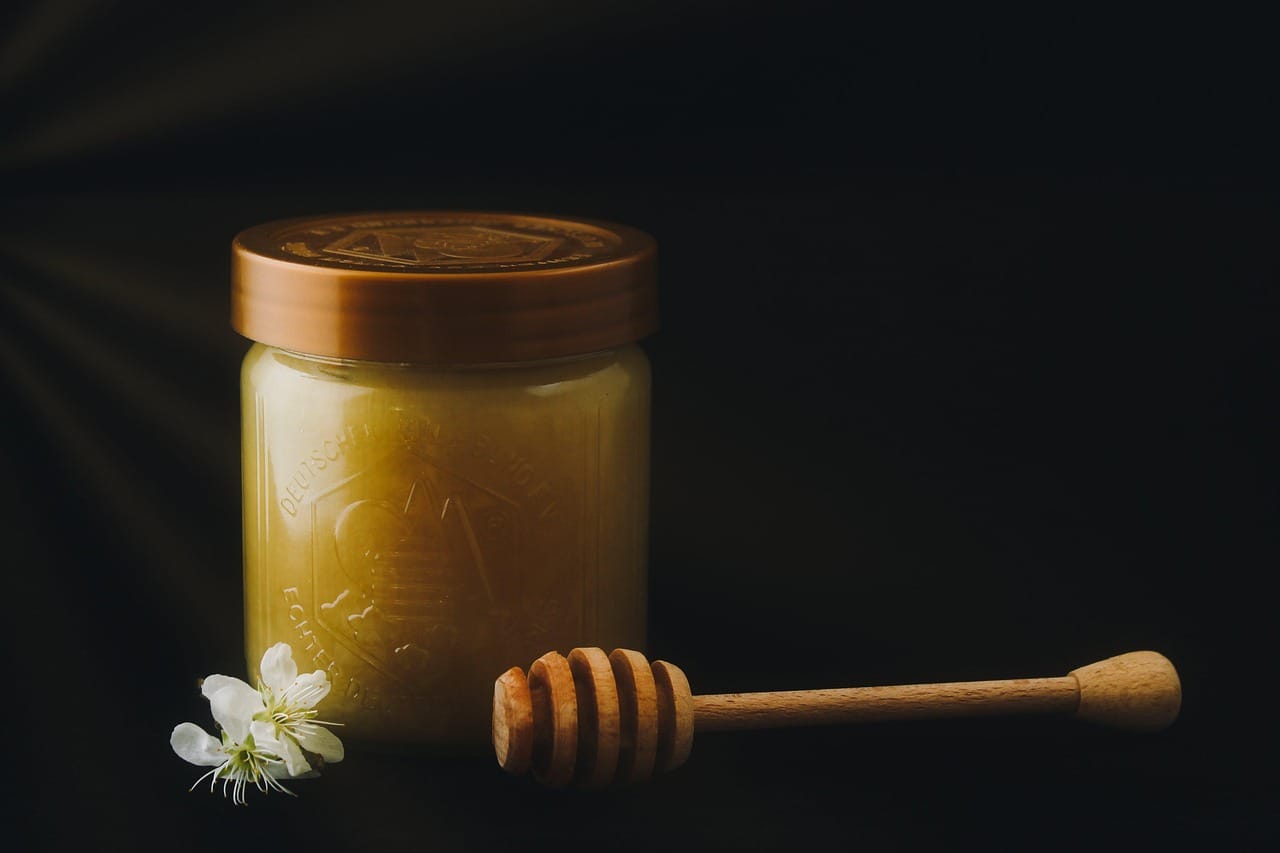
Honey Never Spoils… Did you know that archaeologists have discovered pots of honey in ancient Egyptian tombs that are over 3,000 years old and still perfectly edible? This golden elixir, cherished throughout history for its sweetness and medicinal properties, defies the conventional rules of perishability. While most foods succumb to time, honey remains a timeless treasure, capable of lasting for millennia. Join us as we explore the fascinating science behind this remarkable substance and uncover why honey has earned its place as nature’s eternal treat.
Honey Never Spoils: A Sweet Tale of TimelessnessHoney is one of nature’s most remarkable gifts, not just for its delicious flavor but also for its incredible longevity. Archaeological discoveries have shown that honey can last thousands of years without spoiling, making it a unique staple in human history and an intriguing subject of scientific study. In this blog post, we delve into why honey has such an impressive shelf life, how it compares to other food items, and what this means for us today.
The Science Behind Honey’s LongevityHoney’s ability to withstand the test of time can be attributed to several key factors:
Honey has not only been a staple in diets but also a symbol in various cultures. Ancient Egyptians used honey as an offering to the gods and even as a component in their embalming processes. Some jars of honey found in ancient tombs have been dated to be over 3,000 years old and still perfectly edible! This fascinating historical context adds layers to honey’s reputation as a timeless food.
Comparing Honey to Other FoodsTo better understand honey’s unique properties, let’s see how it stacks up against some other common foods in terms of shelf life:
| Food Item | Shelf Life | Notes | |
| Honey | Indefinite (thousands of years) | Never spoils due to low water content and acidity. | |
| White Rice | Indefinite (if stored properly) | Can last forever when kept in a cool, dry place. | |
| Sugar | Indefinite | Pure sugar does not spoil, but may clump together. | |
| Canned Vegetables | 2-5 years (if unopened) | Can spoil after opening, especially if not refrigerated. | |
| Fresh Fruits | 1 week to 1 month | Highly perishable and usually spoils quickly. |
To ensure that your honey lasts indefinitely, follow these simple storage tips:
The fact that honey never spoils and can last for thousands of years is a testament to its unique chemical composition and the natural processes behind its creation. Whether you’re drizzling it over your morning toast, using it in recipes, or exploring its historical significance, honey is more than just a sweet treat; it’s a resilient food that has withstood the test of time. So, the next time you enjoy a spoonful of honey, remember you’re tasting a bit of history that’s as timeless as the bees that made it!
In conclusion, the remarkable longevity of honey, which can last for thousands of years without spoiling, highlights its unique composition and natural preservatives. This fascinating characteristic not only makes honey a timeless food source but also an intriguing topic for culinary enthusiasts and historians alike. What are your thoughts on the uses of honey throughout history, or do you have any favorite recipes that feature this ancient sweetener?
Honey Never Spoils and That Makes It One of Nature’s Greatest Food Mysteries
Few food facts are as surprising and satisfying as this one: honey never spoils. In a world where bread molds, fruit rots, milk sours, and even dried foods eventually lose quality, honey stands apart as something almost timeless. It is one of the rare foods that can last for years, decades, and under the right conditions, even far longer without becoming unsafe to eat. That almost magical durability is not an accident. It is the result of a remarkable combination of chemistry, biology, and the work of bees.
What makes honey especially fascinating is that its resistance to spoilage feels almost impossible by ordinary standards. It is sweet, sticky, and organic, which would usually suggest the perfect environment for microbial growth. Yet instead of becoming a breeding ground for bacteria, properly stored honey becomes one of the least welcoming substances for spoilage organisms. Its structure is so hostile to most microbes that time has very little power over it.
This is why archaeologists, scientists, cooks, and ordinary readers all find honey so compelling. It is not just a pantry ingredient. It is a natural example of extreme preservation. A jar of honey is not merely food. It is chemistry held in edible form, proof that nature sometimes creates solutions better than anything humans could easily engineer.
Why Most Foods Spoil but Honey Does Not
To understand why honey is so unusual, it helps to remember why foods normally spoil in the first place. Most spoilage happens because microorganisms such as bacteria, molds, and yeasts grow inside the food. They break it down, feed on its nutrients, and produce changes in smell, taste, texture, and safety. For this to happen, microbes usually need moisture, a tolerable pH, and an environment that does not actively kill or suppress them.
Honey denies them nearly everything they need. It contains extremely little available water, which means microorganisms cannot easily survive or reproduce inside it. It is also acidic, which creates another barrier to microbial life. In addition, honey contains compounds and enzymes that produce antimicrobial effects. Put these qualities together, and honey becomes one of the most inhospitable environments many microbes could encounter.
This is what makes the phrase “Honey Never Spoils” scientifically meaningful. It is not that honey is magically outside the laws of biology. It is that its biology happens to be deeply unfriendly to the organisms that normally cause food to decay. In a sense, honey wins by making itself a terrible place for spoilage to live.
The Role of Low Water Content
One of the biggest reasons honey lasts so long is its low water content. Microbes depend on water not just for comfort, but for survival. They need it to carry out the basic processes that allow them to grow and multiply. Honey is a supersaturated sugar solution, meaning it is packed with so much dissolved sugar that very little free water remains available for microorganisms to use.
This creates a harsh osmotic environment. If many microbes enter honey, the sugar concentration can pull water out of their cells, dehydrating and damaging them. In simpler terms, honey is so concentrated that it can rob invading organisms of the moisture they need to function. This is one reason spoilage organisms struggle so badly in it.
Low water activity is an important concept in food science, and honey is one of the most famous natural examples of it in action. The same thing that makes honey thick and sticky also helps make it enduring. Its texture is not just pleasant for drizzling over toast or stirring into tea. It is part of the reason the food remains stable across astonishing spans of time.
The Importance of Acidity
Honey’s acidity adds another powerful layer of protection. Most honey has a pH low enough to discourage many harmful microorganisms from thriving. Acidic conditions can disrupt microbial metabolism, make growth difficult, and create an environment where spoilage simply does not progress in the way it would in neutral or less acidic foods.
This acidic profile does not act alone. It works together with the low water content and sugar concentration to create a kind of triple defense. A microbe that somehow tolerates one barrier still has to overcome the others. Nature rarely depends on a single line of defense when multiple overlapping ones can do a better job. Honey is a perfect example of this principle.
The flavor benefit is obvious too. Honey’s slight acidity contributes to its complexity, brightness, and depth. What protects it also helps define its taste. This is one of the reasons honey feels so complete as a natural food. Its chemistry serves preservation and pleasure at the same time.
Enzymes Make Honey Even More Powerful
Another remarkable part of honey’s long life comes from enzymes introduced by bees during honey production. As bees transform nectar into honey, they add enzymes that change its chemical properties. One of the most important outcomes is the slow formation of hydrogen peroxide under certain conditions, which contributes to honey’s antimicrobial character.
This does not mean honey behaves like a harsh chemical disinfectant. The process is more subtle than that. But it does mean honey has an active defense system built into it. It is not just passively difficult for microbes. In some ways, it is actively hostile to them. This makes honey more than a dry or acidic food. It becomes a biologically fortified one.
This is part of what has made honey valuable not only as food but also historically in healing practices. Long before people understood enzymes or peroxide chemistry, they noticed that honey behaved differently from ordinary sweet substances. It lasted longer, seemed cleaner, and was often associated with preservation and wound care. Modern science helps explain why those observations were not superstition. They were early encounters with honey’s unusual biochemical strength.
Honey Never Spoils Because Bees Finish the Job Carefully
Honey is not simply flower nectar collected and stored. Bees transform nectar through an extended process that is both delicate and highly efficient. They gather nectar, carry it back to the hive, pass it among worker bees, and repeatedly evaporate moisture from it. By the time honey is sealed into the comb, it has become a very different substance from the watery plant liquid that began the journey.
This transformation matters because it shows that honey’s longevity is not only a property of plants, but also of bee labor. Bees are biochemical processors. They reduce moisture, add enzymes, and prepare a stable food reserve that can endure through time. In a way, the hive is acting like a natural preservation laboratory.
This makes honey even more impressive. It is not just a sweet fluid produced in nature by accident. It is the result of precise animal behavior shaped by evolution. Bees created a storage food that could survive hard conditions, remain useful over time, and feed the colony when flowers were unavailable. Humans later discovered that the same food was equally extraordinary in our own lives.
Ancient Honey and Egyptian Tombs
Few details make honey’s longevity more vivid than the stories of ancient honey found in Egyptian tombs. The image is unforgettable: sealed jars lying untouched for thousands of years, still recognizable as honey and, under the right conditions, still edible. Whether people encounter this fact first through archaeology, documentaries, or casual conversation, it instantly changes how they think about food preservation.
Ancient Egyptians valued honey highly. It was used as food, as an offering, and in various practical and ceremonial contexts. That honey survived in tombs is not evidence of magic, but of excellent preservation conditions combined with honey’s naturally protective chemistry. A sealed container, low moisture, and a stable environment can preserve it astonishingly well.
This historical dimension gives honey unusual prestige. Most foods are linked to freshness and quick consumption. Honey, by contrast, connects everyday eating with deep history. A spoonful can feel ordinary in the kitchen, yet the same substance has crossed millennia in archaeological contexts. Very few foods can make that claim.
Crystallized Honey Is Not Spoiled Honey
One reason some people mistakenly think honey has gone bad is crystallization. Over time, many honeys naturally form crystals and become thicker, grainier, or cloudy. This is not spoilage. It is a normal physical change related to the sugars in honey, especially the balance between fructose and glucose. Some types of honey crystallize quickly, while others stay liquid much longer.
Crystallized honey is still safe to eat if it has been stored properly. In fact, many people enjoy its texture. It can be spread like soft butter or stirred into foods with a richer mouthfeel. If someone prefers liquid honey, gentle warming can return it to a more fluid state. The key point is that crystallization signals chemistry, not decay.
This is another example of how honey challenges ordinary assumptions. Most visible changes in food make people suspicious, and often for good reason. But with honey, one of the most common changes is simply part of its natural behavior over time. The food remains what it always was, only in a different physical form.
Storage Still Matters
Although honey can last indefinitely, storage still influences quality. If left open in a humid environment, honey can absorb moisture from the air. That added moisture may lower its defenses and make fermentation more likely, especially if wild yeasts are present. So while honey itself is remarkably stable, it is not immune to careless handling.
This is why the best storage advice remains simple: keep honey sealed, clean, and dry. A tightly closed container protects it from excess moisture, contamination, and unwanted odors. Room temperature is usually fine. Refrigeration is unnecessary and may encourage crystallization, though it does not ruin the honey.
These storage habits help explain the difference between the phrase “never spoils” and the reality behind it. Honey’s chemistry gives it extraordinary resilience, but that resilience works best when people do not compromise it with unnecessary exposure to water or contamination. Properly stored honey is one of the longest-lasting foods on Earth. Poorly handled honey is still durable, but not invincible.
How Honey Compares to Sugar and Other Long-Lasting Foods
Honey is often compared with sugar, rice, salt, and dried beans in discussions of shelf life. These foods can also last a very long time when stored well. But honey stands out because it is both natural and ready to eat without processing. Pure sugar may keep indefinitely, but it does not contain the same enzymes, aromatic compounds, or complex chemical defenses that honey does. Honey feels more alive, yet it is still astonishingly durable.
This balance between complexity and stability is part of what makes honey so unusual. Many complex foods spoil quickly because they contain water, proteins, or fats that degrade easily. Honey, despite its flavor depth and biological richness, avoids that fate through its low moisture and acidic structure. It combines sensory complexity with chemical simplicity in just the right way.
That is why honey often occupies a special category in conversations about food survival, pantry science, and ancient diets. It is not merely another sweetener. It is one of the most elegantly preserved foods nature offers.
Honey as Medicine Across History
Long before modern microbiology, many cultures recognized that honey behaved differently from ordinary foods. It was used not only in cooking and ritual, but also in traditional healing. Its soothing texture made it valuable for sore throats, and its apparent cleanliness made it useful in wound-related practices. Modern research has helped explain why some of these uses persisted across time and place.
Honey’s antibacterial properties, acidity, and moisture-handling behavior give it qualities that can be beneficial in certain medical contexts. Some types of medical-grade honey are now used in carefully controlled wound care settings. This is not the same as claiming all honey is a universal cure, but it does confirm that ancient observations were not entirely symbolic. Honey really does possess characteristics that make it unusually protective and biologically active.
This reinforces its image as a substance hovering between food and remedy. Very few things in the pantry can honestly claim both sweetness and medicinal history with such credibility. Honey’s endurance is not only about how long it lasts, but about how many roles it has played in human life.
The Flavor of Time
Even though honey can last indefinitely, time can still affect some aspects of its quality. Aroma, color, and flavor may shift gradually depending on storage conditions, floral source, and exposure to heat or light. But these changes are often about character rather than spoilage. Honey may darken, thicken, or lose some delicate top notes, yet remain perfectly edible.
This is important because it distinguishes safety from ideal freshness. A honey lover may prefer certain jars when they are younger and more aromatic, just as tea drinkers or coffee drinkers notice subtle quality differences over time. But these are questions of taste, not decay. Honey ages more like a stable natural product than a fragile one.
In this way, honey becomes even more interesting. It does not simply resist time. It interacts with it gently, changing without collapsing. That relationship with time is rare in food and part of what makes honey feel almost legendary.
Why Humans Have Always Loved Honey
Honey’s appeal is not only scientific. It is also emotional and cultural. Humans have gathered honey for thousands of years because it offers something few natural foods do: intense sweetness in a shelf-stable form. Before refined sugar, honey was one of the great luxuries of taste. It could sweeten food, preserve ingredients, enrich ritual, and symbolize abundance.
Its golden color, floral complexity, and connection to bees have given it a reputation beyond nutrition alone. Honey feels special in almost every culture that uses it. It appears in myths, sacred texts, medicinal traditions, and recipes passed across generations. Part of that reverence surely comes from the fact that honey behaves unlike ordinary food. Its refusal to spoil makes it feel more enduring, more valuable, and somehow closer to the ancient rhythms of nature.
That long human relationship explains why honey continues to fascinate even in a world full of processed sweeteners. It is not just sweet. It is storied.
Final Thoughts
Honey Never Spoils because it is built for durability at every level. Its low water content, acidity, sugar concentration, enzymes, and antimicrobial properties create one of the most stable foods in existence. Add the careful labor of bees and proper storage, and honey becomes a substance that can outlast almost anything else in the kitchen.
What makes honey so remarkable is that its endless shelf life is not a trick or a myth. It is the natural outcome of extraordinary chemistry and biology working together. That is why jars of honey can survive for years, centuries, and under exceptional conditions even longer, while most foods vanish quickly into decay.
The next time you open a jar of honey, it is worth remembering that you are holding one of nature’s rare masterpieces of preservation. It is sweet, ancient, practical, and nearly timeless all at once. Very few foods can say the same.