

How to Clean Burnt Pans Easily: 15 Simple Tricks to Restore Scorched Cookware
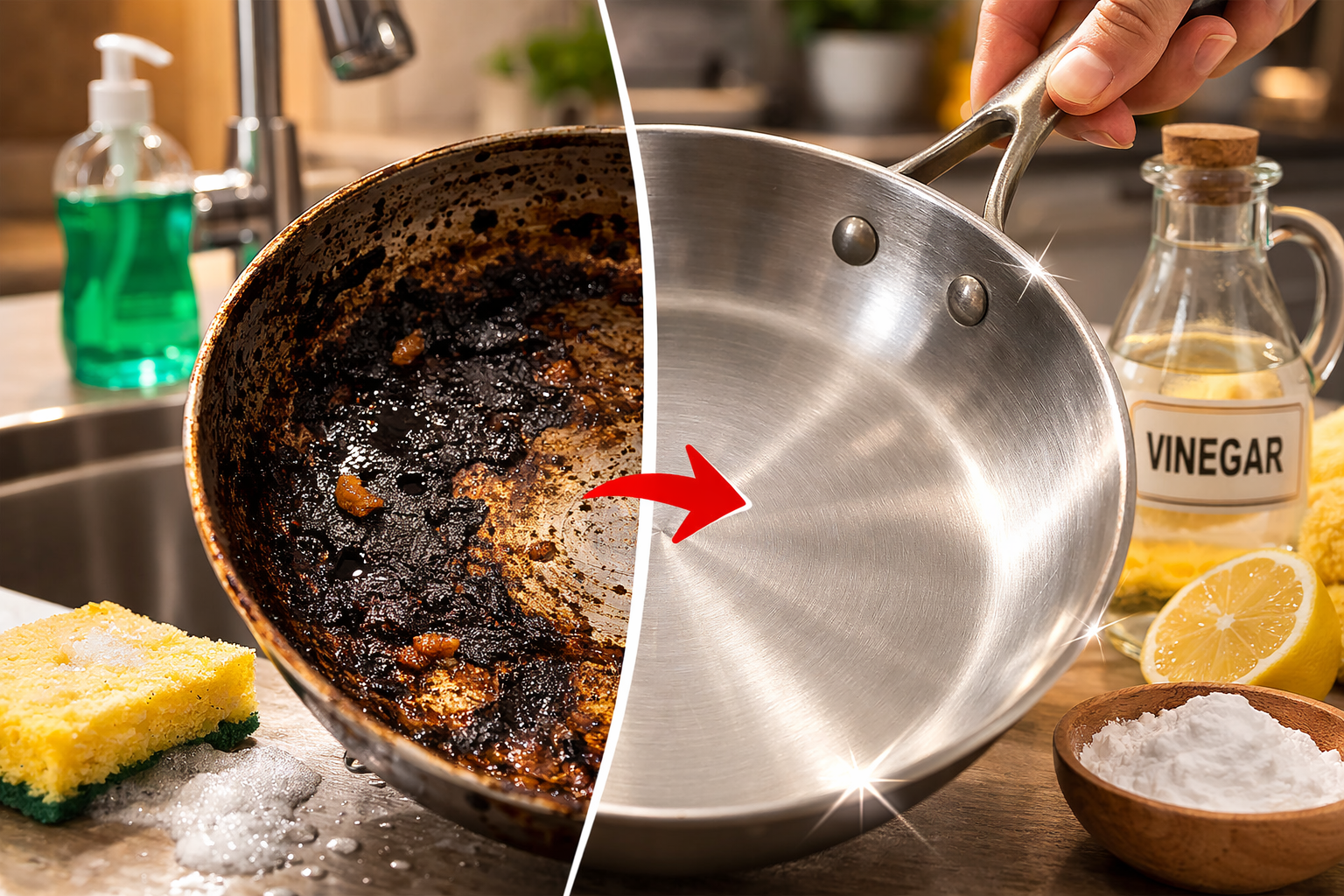
How to Clean Burnt Pans Easily… Did you know that nearly 70% of people admit to struggling with burnt pans, often resorting to scrubbing until their hands ache or tossing them out altogether? If you’ve ever faced the frustration of stubborn charred residue clinging to your favorite cookware, you’re not alone. But what if I told you that with a few simple tricks and household items, you can restore your pans to their former glory in no time? Say goodbye to the dread of burnt pots and pans, and discover how to clean them easily and effectively!
How to Clean Burnt Pans EasilyCleaning burnt pans can feel like a daunting task, but fear not! With a few simple techniques and household products, you can restore your pans to their former glory. Whether you’re dealing with a stubborn stain or a full-on burnt mess, we’ve got you covered. Let’s dive into some effective methods to tackle those charred kitchen companions!
Understanding the Burnt SituationBefore we jump into cleaning methods, it’s essential to understand what causes the burning in the first place. Here are some common culprits:
Now let’s look at a variety of methods to clean those burnt pans. Below is a comparison of some popular techniques to help you decide which one might work best for your situation:
| Method | Effectiveness | Ease of Use | Time Required | Best For | |
| Baking Soda Paste | High | Easy | 10-20 minutes | Light to medium burns | |
| Vinegar & Water | Medium | Very Easy | 15-30 minutes | Stains and light residues | |
| Boiling Water | High | Moderate | 10-15 minutes | Stuck-on food | |
| Salt Scrubbing | Medium | Easy | 5-10 minutes | Recent burns with minimal residue | |
| Commercial Cleaners | Very High | Moderate | Varies | Heavy-duty cleaning |
One of the most popular and effective ways to clean burnt pans is by using baking soda. This natural abrasive is safe and works wonders.
1. Create a paste by mixing baking soda with a small amount of water.
2. Apply the paste directly to the burnt areas.
3. Let it sit for 10-20 minutes.
4. Scrub gently with a sponge or cloth.
5. Rinse thoroughly and marvel at your clean pan! Method 2: Vinegar and Water Soak
Vinegar is a powerhouse when it comes to breaking down tough stains and burnt residues.
1. Fill the burnt pan with equal parts vinegar and water.
2. Bring to a boil on the stove.
3. Let it boil for 10-15 minutes, adding more vinegar if needed.
4. Allow to cool, then scrub with a sponge.
5. Rinse well and enjoy your pan’s refreshed surface. Method 3: Boiling Water Trick
Sometimes, a simple boil can do wonders. This method works best for stuck-on food rather than deep burns.
1. Fill the pan with water, covering the burnt area.
2. Bring the water to a rolling boil.
3. Let it boil for 10-15 minutes.
4. Use a spatula to gently scrape off any loosened food.
5. Rinse the pan afterward. Method 4: Salt Scrubbing
For those who prefer a more hands-on approach, salt can be your best friend.
1. Sprinkle coarse salt over the burnt area.
2. Use a damp sponge to scrub the salt into the burned spots.
3. Rinse with warm water.
4. Repeat if necessary until the pan is clean. Method 5: Commercial Cleaners
When the going gets tough, sometimes you need to bring in the big guns.
1. Follow the instructions on the cleaner’s label.
2. Apply the product to the affected areas.
3. Let it sit for the recommended time.
4. Scrub with a non-abrasive sponge.
5. Rinse thoroughly to remove any chemical residue. Conclusion
Cleaning burnt pans doesn’t have to be a chore! With these methods, you can easily restore your cookware and keep your kitchen shining. Remember, prevention is key! Always keep an eye on your pans while cooking and use enough oil to avoid sticking. Happy cooking, and may your pans remain burn-free!
In conclusion, cleaning burnt pans doesn’t have to be a daunting task. With simple methods using common household items like baking soda, vinegar, or even dish soap, you can restore your pans to their former glory. Remember, the key is to be patient and allow the cleaning solutions to work their magic. Have you tried any unique methods for cleaning burnt pans? Share your tips in the comments!
Why Burnt Pans Are So Difficult to Clean
Learning How to Clean Burnt Pans Easily starts with understanding why burnt residue is so stubborn in the first place. When food is exposed to excessive heat, moisture evaporates, sugars caramelize, proteins harden, and oils bake onto the surface of the pan. What remains is not just a simple stain but a layer of tightly stuck residue that can cling to metal, ceramic, enamel, or nonstick coatings with surprising strength.
This is why a quick rinse with dish soap usually does very little once a pan is badly scorched. The burnt layer has often bonded to the cooking surface, especially if the pan was left on heat for too long or if the food inside contained sugar, starch, or fat. These materials can create a sticky, dark crust that resists normal washing.
The good news is that most burnt pans can still be saved. In many cases, you do not need expensive specialty products. With a little patience and the right method, common household ingredients can loosen the charred residue and help restore the pan without damaging it.
What Usually Causes Pans to Burn
Burnt pans are usually the result of a few common kitchen mistakes rather than a ruined piece of cookware. High heat is the most obvious cause. When a pan is left unattended over strong heat, the liquid can evaporate quickly and the remaining food begins to scorch. Sauces, rice, milk, eggs, and sugary dishes are especially likely to burn if not stirred or monitored carefully.
Another common cause is cooking with too little oil or butter. Without enough lubrication, food can stick to the bottom and begin burning before it cooks evenly. Thin pans are also more likely to develop hot spots, which means some parts of the surface get much hotter than others. This uneven heat can cause food to burn faster than expected.
Once you understand the cause, it becomes easier not only to clean burnt pans but also to prevent the same problem from happening again.
How to Clean Burnt Pans Easily with the Right Method
The best cleaning method depends on the type of pan and the severity of the burn. Light scorching may come off with hot water and baking soda, while thick black residue may need soaking, simmering, or repeated treatment. It is also important to consider the pan material. Stainless steel can handle more aggressive cleaning than delicate nonstick cookware, which requires a gentler approach.
In general, the safest strategy is to begin with the least abrasive method first. That means loosening the burnt layer with heat, steam, soaking, or mild household ingredients before scrubbing hard. In many cases, the burnt residue will release more easily than expected once it has softened properly.
Using the right method protects the surface of the pan and saves time. Many people make the mistake of attacking burnt residue immediately with steel wool or excessive force, which can scratch the cookware and still fail to remove the deepest layer.
15 Simple Tricks to Remove Burnt Residue
1. Start with Hot Water and Dish Soap
The simplest first step is often the most useful. Fill the burnt pan with hot water and a few drops of dish soap, then let it soak for at least 20 to 30 minutes. If the burn is light, this may soften enough residue to make cleaning much easier.
This method works especially well when the food is stuck but not fully carbonized. It is a low-risk starting point for almost every pan type, including nonstick and enamel-coated cookware.
2. Use a Baking Soda Paste
One of the most reliable ways to learn How to Clean Burnt Pans Easily is by using baking soda. Mix baking soda with a small amount of water to create a thick paste, then spread it over the burnt areas. Let it sit for 15 to 30 minutes before scrubbing gently with a sponge or soft brush.
Baking soda works as a mild abrasive, which means it can lift residue without being as harsh as stronger scrubbers. It is especially useful for light to medium burns and is one of the safest methods for frequent kitchen use.
3. Boil Water in the Pan
If food is stuck firmly to the bottom, boiling water directly in the pan can help loosen it. Fill the pan with enough water to cover the burnt area, then bring it to a gentle boil for several minutes. As the heat softens the residue, use a wooden spoon or spatula to scrape the bottom lightly.
This method is especially good for cooked-on starches like rice, pasta sauce, oatmeal, or soup that dried into a stubborn layer.
4. Add Vinegar to Break Down Tough Residue
Vinegar is another effective kitchen staple for burnt pans. Fill the pan with equal parts water and vinegar, then simmer it on the stove. After a few minutes, remove it from the heat and let it cool slightly. The acidity helps loosen stuck-on residue and makes it easier to remove afterward.
Once the pan cools a bit, you can often add baking soda for extra cleaning power. The combination is especially helpful on stainless steel and other durable pan surfaces.
5. Simmer Baking Soda and Water Together
For more serious burns, try adding water and a few tablespoons of baking soda directly to the pan and bringing the mixture to a gentle simmer. Let it heat for several minutes, then turn off the heat and allow it to sit before scrubbing.
This method helps soften thick black buildup and can be more effective than applying a cold paste alone. It is a great option when the burnt layer is hard and deeply attached to the surface.
6. Use Salt for Light Surface Burns
Salt can help with lighter burns, especially when the pan is still slightly warm and the residue has not fully hardened. Sprinkle coarse salt over the stained area and scrub gently with a damp sponge or cloth.
This method is best for recent burns rather than old, heavily charred pans. It is simple and quick, but should be used carefully on delicate finishes.
7. Try a Wooden or Silicone Spatula
After soaking or simmering, use a wooden spoon or silicone spatula to gently lift loosened residue from the bottom. This is safer than using metal tools, which can scratch the pan surface. The softened burnt layer often comes up in flakes once it has had time to loosen.
This is a good supporting method rather than a full cleaning method by itself, but it makes a big difference after soaking treatments.
8. Let the Pan Soak Overnight
Sometimes time is the most important ingredient. If the pan is badly burnt, fill it with hot water and a little dish soap or baking soda and let it sit overnight. This extended soaking time can loosen the residue enough to remove it the next morning without excessive effort.
Overnight soaking is especially helpful for pans that are too delicate for aggressive scrubbing but still need serious cleaning.
9. Use a Non-Scratch Scrubber
Once the burnt layer has softened, use a non-scratch sponge, nylon scrubber, or soft cleaning pad to work on the stain. This helps remove residue without damaging the finish. The key is to avoid harsh metal scrubbers unless the pan material clearly allows it.
For many pans, the right scrubber is just as important as the cleaning solution itself.
10. Clean Stainless Steel with More Confidence
Stainless steel pans can usually tolerate stronger cleaning methods than nonstick pans. This makes them ideal for baking soda simmering, vinegar boiling, and more determined scrubbing. If the stain is stubborn, stainless steel often responds well to repeated treatments.
Even so, it is still best to avoid going straight to the harshest possible method. Let heat and soaking do most of the work first.
11. Be Gentle with Nonstick Pans
Nonstick cookware needs extra care. Avoid steel wool, metal utensils, and aggressive abrasion. Instead, use warm soapy water, soft sponges, and gentle baking soda paste if needed. If the nonstick surface is badly damaged or flaking, it may be safer to replace the pan rather than continue scrubbing.
Knowing the difference between a burnt pan and a damaged coating is important. Cleaning should not come at the cost of ruining the finish completely.
12. Wash the Outside of the Pan Too
Burnt residue often appears on the outer base of the pan as well, especially if food boiled over or the burner scorched oil onto the underside. Use baking soda paste or hot soapy water on the outside too, depending on the pan material.
This extra step makes the cookware look far more restored overall and prevents old grease from smoking the next time the pan is used.
13. Repeat the Treatment if Necessary
Some burns will not come off in one round, especially if the pan has been neglected for a long time. Instead of scrubbing harder and risking damage, repeat the soaking or simmering method again. Burnt residue often releases in layers.
Patience almost always works better than force when it comes to restoring cookware safely.
14. Dry the Pan Properly After Cleaning
Once the pan is clean, dry it completely with a towel rather than letting it air dry for too long. This helps prevent water spots on stainless steel and reduces the risk of rust on pans with exposed metal areas.
Drying also gives you a chance to inspect whether any residue remains and whether a second cleaning round is still needed.
15. Season or Protect the Pan if Needed
Some types of cookware, such as cast iron or carbon steel, may need to be re-seasoned after deep cleaning. Even pans that do not require seasoning can benefit from a light oiling or careful storage if you want to keep them in good shape.
This final step helps restore the pan not just visually, but functionally too.
How to Clean Burnt Pans Easily Based on Pan Material
Different cookware materials need different care. Stainless steel is durable and handles baking soda, vinegar, simmering, and stronger scrubbing fairly well. Nonstick pans require softer treatment and should never be cleaned with abrasive metal tools. Cast iron should not be soaked for too long and may need re-seasoning after cleaning. Enamel-coated pans can usually handle baking soda and gentle simmering, but harsh scrubbing may dull the finish over time.
This is why identifying the pan type before cleaning matters so much. A method that works beautifully on stainless steel may damage a nonstick surface. A technique that saves an enamel pan may not be ideal for cast iron. Matching the cleaning method to the material protects your cookware and improves the results.
How to Clean Burnt Pans Easily Without Damaging Them
The safest rule is to use softening methods before scrubbing methods. Heat, water, baking soda, and vinegar all help weaken the burnt layer without forcing the issue. Once the residue loosens, a soft sponge or scraper can usually remove it much more safely.
Avoid using knives, sharp metal tools, or extreme force. These may remove the burn, but they can also scratch the cooking surface and shorten the life of the pan. In the case of nonstick cookware, deep scratches can make the pan less safe and less effective to use.
Gentle methods may take a bit longer, but they preserve the pan while still restoring it.
Common Mistakes People Make with Burnt Pans
One common mistake is trying to scrub the pan dry without soaking it first. Dry burnt residue clings too tightly and usually resists direct scrubbing. Another mistake is using very harsh tools immediately, which can scratch the pan before the burnt material has even started to loosen.
Some people also throw away pans too quickly, assuming the damage is permanent. In many cases, even a severely scorched pan can be restored with repeated simmering and soaking. Another mistake is ignoring the outside of the cookware, where grease and burn marks often accumulate over time.
Finally, many people forget that prevention matters just as much as cleaning. If a pan burns repeatedly, it may be a sign that the heat is too high, the pan is too thin, or the food needs more attention while cooking.
How to Prevent Burnt Pans in the Future
Once you know How to Clean Burnt Pans Easily, the next logical step is preventing burns from happening again. The simplest habit is to avoid walking away from the stove when cooking foods that stick easily or reduce quickly. Sauces, milk, rice, jams, and sugary mixtures can burn fast if left unattended.
Using the right heat level also makes a big difference. High heat is not always better. In many cases, medium or medium-low heat gives more control and prevents scorching. Stirring regularly, using enough oil or liquid, and choosing a pan with even heat distribution can all reduce the chances of burning.
Good cookware habits save time later. A few extra seconds of attention during cooking can prevent a long cleaning session afterward.
Best Household Ingredients for Burnt Pan Cleaning
Baking soda is one of the best overall ingredients because it is mild, affordable, and versatile. Vinegar is excellent for cutting through residue and adding acidity to loosen tough buildup. Dish soap helps with greasy or oily layers, especially when paired with hot water. Salt can help on lighter burns, while hot water remains the foundation of almost every effective method.
These ingredients are useful because they are simple and accessible. Most people already have them in the kitchen, which means you can respond to a burnt pan quickly instead of waiting to buy a special product.
When a Pan Might Not Be Worth Saving
Although many burnt pans can be restored, there are cases where replacement may be the better option. If a nonstick pan is deeply scratched, peeling, or warped, cleaning the burn may not solve the real problem. If a pan has severe structural damage or the bottom has warped so badly that it no longer sits flat, it may no longer perform properly.
In those situations, restoring the surface may not be enough. However, most pans that are simply stained or coated in burnt residue are still worth cleaning, especially if the underlying material is solid and undamaged.
Final Thoughts
Learning How to Clean Burnt Pans Easily can save your cookware, your time, and your patience. Burnt residue may look permanent, but with the right method, it often comes off much more easily than expected. Hot water, baking soda, vinegar, soaking, and gentle scrubbing are usually enough to restore many pans without needing harsh chemicals or expensive products.
The key is to match the method to the pan type and the severity of the burn. Start gently, let heat and moisture do the hard work, and repeat the process if needed instead of forcing it. In many cases, even badly scorched cookware can be brought back to a clean and usable state.
With a little patience and a few household staples, burnt pans do not have to mean ruined pans. They can simply become another kitchen problem you know exactly how to fix.