

How to Keep Food Fresh Without a Refrigerator: 17 Smart Storage Methods That Really Work
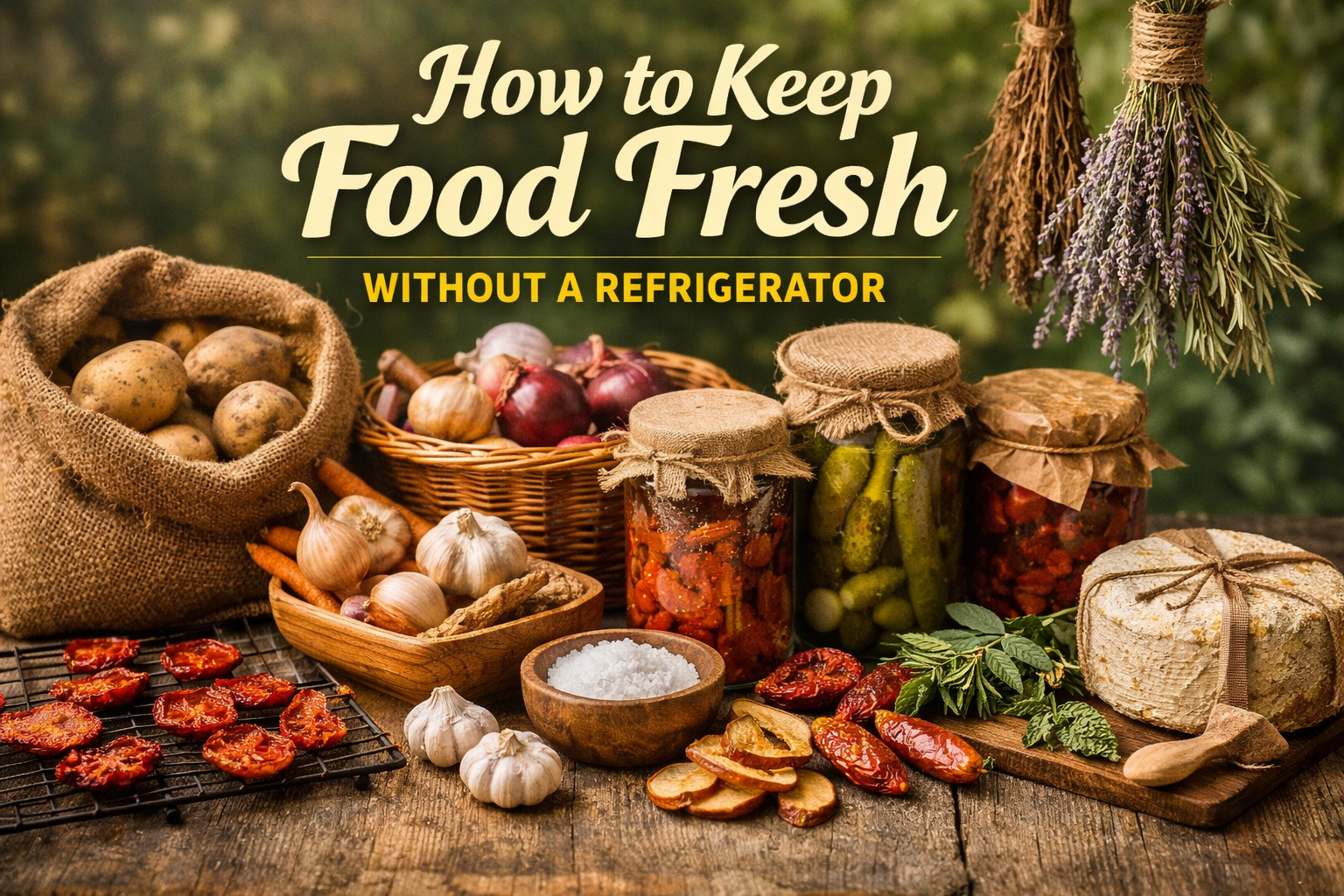
How to Keep Food Fresh Without a Refrigerator… Did you know that nearly one-third of all food produced globally is wasted, often due to improper storage? Imagine a world where you could extend the life of your perishables without relying on electricity or a refrigerator. In a time of rising energy costs and increasing awareness of sustainability, mastering the art of keeping food fresh without modern conveniences is not just a skill-it’s a necessity. Join us as we explore ingenious methods and age-old techniques that will not only save your groceries but also reduce waste and promote a greener lifestyle. Let’s dive in!
How to Keep Food Fresh Without a RefrigeratorIn an age where refrigeration is the norm, the thought of keeping food fresh without a fridge might seem daunting. However, with a little creativity and knowledge, you can store food for days, weeks, or even months without the chill of a refrigerator. Whether you’re prepping for a camping trip, living off-grid, or just want to reduce your energy consumption, here are some effective methods to keep your food fresh and tasty!
Understanding Food PreservationBefore diving into specific techniques, it’s important to understand why and how food spoils. Bacteria, mold, and yeast thrive in warm, damp environments. The goal of food preservation is to inhibit the growth of these microorganisms. Here are some common methods:
Here are several effective techniques to keep your food fresh without a refrigerator:
#
1. Cool Storage#
2. Drying and Dehydrating#
3. Fermentation and Pickling#
4. Using Natural Preservatives#
5. Proper PackagingHere’s a quick comparison of the different methods of food preservation:
| Method | Pros | Cons | |
| Cool Storage | Simple, minimal equipment needed | Limited to certain fruits/veggies | |
| Drying | Lightweight, great for travel | Requires time and sunny weather | |
| Fermentation | Adds flavor, nutritious | Requires knowledge of technique | |
| Pickling | Long shelf life | Strong flavor may not be for everyone | |
| Natural Preservatives | Effective for meats and fruits | Can alter taste and texture |
Keeping food fresh without a refrigerator is not only possible but can also be a fun and rewarding endeavor. With various techniques at your disposal, you can explore the world of food preservation while reducing waste and enjoying delicious, homemade meals. Whether you’re living off the grid or simply trying to reduce your energy use, these methods will help you keep your food fresh and your palate happy! So grab those veggies, herbs, and fruits, and start experimenting with these preservation techniques today!
In conclusion, keeping food fresh without a refrigerator involves utilizing various methods such as proper storage techniques, choosing the right foods, and employing natural preservation methods like drying, fermenting, and using cool, dark spaces. By being resourceful and creative, you can maintain the quality of your food even without modern refrigeration. What are your favorite tips for keeping food fresh without a fridge? Share your thoughts in the comments!
Why Learning Low-Tech Food Storage Still Matters
Knowing How to Keep Food Fresh Without a Refrigerator is more useful than many people realize. It is not only helpful for off-grid living, camping, or emergencies. It can also reduce food waste, lower electricity use, and help you understand food in a more practical and sustainable way. For generations, people kept food fresh with cool spaces, drying, salting, fermenting, storing in breathable materials, and carefully choosing where each ingredient belonged. Refrigerators made life easier, but they did not erase the value of those older methods.
Many foods actually last better outside the refrigerator when stored correctly. Some vegetables lose flavor or texture in the cold. Certain fruits ripen better at room temperature. Bread often becomes stale faster in the refrigerator than it does in a dry container or cloth bag. When you understand what each food needs, freshness becomes less about cold air alone and more about managing moisture, airflow, temperature, and light.
This approach is especially valuable now because people are paying more attention to energy costs, waste reduction, and self-sufficiency. Even if you own a refrigerator, learning how to preserve food without depending entirely on it gives you more flexibility, better storage habits, and greater confidence in the kitchen.
What Actually Makes Food Spoil
To understand How to Keep Food Fresh Without a Refrigerator, it helps to know why food spoils in the first place. Spoilage usually happens because of microorganisms, moisture imbalance, heat, oxygen exposure, or natural ripening processes that continue after harvest. Bacteria, mold, and yeast tend to grow faster in warm, damp conditions. Fruits release ethylene gas, which speeds up ripening. Cut foods spoil faster because their inner moisture and nutrients become more exposed to air and microbes.
That means food preservation is really about control. If you reduce moisture, lower temperature, block too much air, encourage useful bacteria, or keep certain foods away from one another, you can slow spoilage significantly. This is why traditional methods such as drying, pickling, fermenting, root cellaring, and salting have worked for so long. They each control one or more of the conditions that make spoilage happen quickly.
Once you start thinking in those terms, storing food without a refrigerator becomes much less mysterious. It turns into a practical problem with clear solutions rather than a risky guessing game.
How to Keep Food Fresh Without a Refrigerator: 17 Smart Storage Methods
1. Use the Coolest Room in the House
The first and simplest strategy is to identify the coolest place available indoors. A north-facing pantry, shaded cupboard, basement, cellar, or lower shelf in a dark storage area can stay noticeably cooler than the rest of the house. Even a small temperature difference helps slow spoilage.
This method works best for foods like potatoes, onions, garlic, squash, apples, and some root vegetables. The key is consistency. A cool, dark, dry place is often far better than a warm, sunny kitchen counter.
2. Store Root Vegetables in Sand or Sawdust
Root vegetables such as carrots, beets, turnips, and parsnips often last much longer when stored in slightly damp sand or clean sawdust. The material helps regulate humidity and protects the vegetables from shriveling too quickly. Traditionally, this method was used in root cellars, but a cool shed, basement, or storage corner can also work.
The vegetables should be clean but not scrubbed aggressively, and they should not be packed while wet. Properly stored this way, they often remain usable far longer than expected without refrigeration.
3. Keep Potatoes, Onions, and Garlic Separate
These staple foods are often stored together by habit, but they actually last better when separated. Onions and potatoes release moisture and gases that can encourage one another to spoil faster. Garlic also prefers dry airflow. Keeping them in separate baskets, crates, or breathable bags helps extend freshness.
This is one of the easiest no-fridge improvements you can make immediately, and it often reduces early sprouting and rotting.
4. Use Breathable Storage Instead of Plastic
Plastic traps moisture, and trapped moisture often leads to mold, softness, and rot. For many foods, breathable storage works much better. Cloth bags, paper bags, woven baskets, wooden crates, and open ceramic bowls allow air circulation while still offering some protection from light and dust.
This is especially helpful for produce, bread, onions, garlic, and herbs that need airflow to stay fresh longer.
5. Hang Herbs to Dry
Fresh herbs spoil quickly if left bunched in damp conditions, but they can be preserved beautifully by drying. Tie small bundles of herbs such as rosemary, thyme, mint, oregano, or sage and hang them upside down in a dry, airy place away from direct sunlight. Once dried, they can be stored in jars and used for cooking long after fresh bunches would have wilted.
This is one of the easiest preservation methods because it requires almost no equipment and works well with many kitchen herbs.
6. Dry Fruit and Vegetables for Longer Storage
Drying removes moisture, which is one of the main things spoilage organisms need in order to thrive. Sliced apples, pears, tomatoes, chilies, mushrooms, and herbs can all be dried using sunlight, a warm airy space, or an oven on very low heat if available. Once dried properly, they can last far longer than fresh versions.
Dried foods are also lightweight, space-efficient, and excellent for travel, off-grid use, or pantry storage.
7. Ferment Vegetables Naturally
Fermentation is one of the oldest and most effective ways to preserve food without refrigeration. Vegetables such as cabbage, carrots, radishes, cucumbers, and beets can be fermented in salt brine, allowing beneficial bacteria to create acids that help prevent spoilage. Sauerkraut and fermented pickles are classic examples.
This method not only extends shelf life but also adds flavor and can create foods that are easy to store in cool, dark spaces for extended periods.
8. Pickle Produce in Vinegar
Pickling is another excellent technique for keeping food fresh without a refrigerator. Vinegar changes the environment around the food in a way that discourages spoilage. Onions, cucumbers, carrots, peppers, and even some fruits can be pickled and stored in sealed jars.
The flavor becomes stronger and more distinctive, but the trade-off is much longer usability than the raw produce would have had on its own.
9. Salt Foods to Extend Their Life
Salt has been used for centuries to preserve fish, meat, and some vegetables because it draws out moisture and creates a less hospitable environment for spoilage. While modern food safety requires care, salting remains one of the foundational principles of preservation.
Even simple salting methods can help temporarily extend the life of certain ingredients, especially in dry, cool conditions where moisture is well controlled.
10. Preserve Fruit with Sugar
Sugar helps preserve fruit by binding moisture and making it harder for spoilage microbes to grow. This is why jams, preserves, candied peels, and fruit syrups have such long traditions. If you have fruit that is becoming too ripe, turning it into jam or a cooked preserve can help prevent waste.
This method changes the food, of course, but it is one of the best ways to save sweetness that might otherwise be lost to spoilage.
11. Wrap Cheese Properly
Some cheeses can last reasonably well without refrigeration for short periods if they are stored correctly, especially firmer cheeses. Wrapping them in parchment or wax paper first, then loosely covering them with cloth or foil, helps balance airflow and protection. Plastic wrap often traps too much moisture and encourages undesirable surface issues.
This method is not for every cheese or every climate, but in cool conditions it can help maintain freshness better than improper wrapping would.
12. Use Earthenware or Evaporative Cooling
One of the most clever low-tech cooling techniques is evaporative cooling. A porous clay pot, damp cloth wrap, or pot-in-pot system can reduce temperature through evaporation, especially in dry climates with airflow. This method has long been used to cool vegetables, dairy, and drinking water without electricity.
While it will not create refrigerator-level cold, it can make a meaningful difference and help certain foods stay fresh longer than they would at ordinary room temperature.
13. Keep Bread in Cloth or Wood, Not the Fridge
Bread often becomes stale faster in the refrigerator because the cold environment affects starch structure. For short-term freshness, a cloth bag, bread box, wooden box, or wrapped towel in a dry place often works better. If the weather is very humid, extra care is needed to avoid mold, but for normal short-term storage, bread usually does best outside the fridge.
This is one of the most useful examples of how refrigeration is not automatically the best choice for every food.
14. Store Eggs Carefully in a Cool Place
In some regions, eggs are commonly stored unrefrigerated when they have not been industrially washed, because their natural protective coating remains intact. Storage practices vary by country and processing method, so this depends heavily on how the eggs were handled before purchase. Where appropriate and safe according to local norms, a cool and stable environment can keep them fresh for a useful period.
The main rule is consistency. Big temperature swings shorten freshness more quickly than steady cool conditions.
15. Choose Produce That Naturally Stores Well
Some foods are simply better suited to no-fridge storage than others. Potatoes, onions, winter squash, garlic, apples, cabbage, carrots, and dried beans are naturally easier to keep than soft berries, leafy greens, or cut fruit. If you want to rely less on refrigeration, start by choosing foods that already have strong natural storage qualities.
This is one of the smartest long-term strategies because it reduces the need for rescue preservation later.
16. Keep Foods Whole for as Long as Possible
Whole produce generally lasts longer than cut produce because its protective skin or outer layer is still intact. A whole cabbage lasts longer than shredded cabbage. A whole pumpkin lasts longer than chopped pumpkin. A whole apple lasts longer than sliced apple. If you want food to stay fresh without refrigeration, cut it only when you are actually ready to use it.
This one habit can significantly extend the life of many ingredients with no extra work at all.
17. Rotate Food Constantly and Check It Often
Without a refrigerator, food requires a little more awareness. Rotate older items to the front, inspect produce regularly, and use the most delicate foods first. One bruised apple or one soft onion can affect nearby items if left too long. Frequent checking helps you catch problems early and use foods at the right moment.
This is less a single method than an overall mindset, and it is one of the most important habits for reducing waste successfully.
Best Foods to Store Without Refrigeration
Some foods naturally adapt better to life outside the refrigerator. Root vegetables, onions, garlic, winter squash, apples, pears, citrus fruits, dried beans, grains, nuts, seeds, dried herbs, bread for short periods, honey, jams, and properly preserved pickles are all strong candidates. These foods either have protective skins, low moisture, natural acidity, or established preservation methods that help them remain stable.
If you want to build a kitchen that depends less on refrigeration, focusing more on these foods is one of the easiest ways to start. They are practical, versatile, and often inexpensive, which makes them ideal for sustainable meal planning.
Foods That Need Extra Caution
Not every food handles room-temperature storage well. Fresh meat, fish, soft dairy, cut fruit, cooked grains, cooked beans, leftovers, and highly perishable greens require more caution. Some of these foods can be preserved through drying, fermenting, salting, or immediate cooking, but they generally do not belong in casual room-temperature storage for extended periods.
This is why learning traditional preservation methods matters so much. The question is not whether every food can sit out safely. The question is which foods can be stored directly and which ones need transformation first.
How to Keep Food Fresh Without a Refrigerator in Hot Weather
Warm weather makes non-refrigerated food storage more challenging because heat speeds up spoilage dramatically. During hot months, focus even more on airflow, shade, dryness, and frequent checking. Use the coolest room possible, avoid direct sunlight completely, and keep foods off hot counters. Evaporative cooling methods become especially useful in these conditions.
It also helps to shop or harvest in smaller amounts more often, so you are not trying to keep delicate food fresh for too long in difficult conditions. In summer, quantity control is often just as important as storage technique.
Traditional Preservation Methods That Still Work Today
Many of the oldest food storage methods remain effective because they are based on sound principles rather than modern convenience. Drying works because microbes need moisture. Fermentation works because beneficial bacteria help dominate the environment. Pickling works because acidity changes spoilage conditions. Root cellaring works because cool darkness slows natural breakdown.
These methods survived for generations because they were practical. Even today, they can still be integrated into everyday life in simple ways. Dry herbs from your garden. Ferment extra cabbage. Store onions in a hanging basket. Turn ripe fruit into jam. These are not outdated tricks. They are useful skills with modern relevance.
Common Mistakes That Cause Early Spoilage
One of the biggest mistakes is storing everything together without thinking about airflow, moisture, or ethylene gas. Another common mistake is using plastic when a breathable material would work better. People also often wash produce too early, adding moisture that speeds up spoilage before the food is ready to be used.
Storing bruised or damaged items with healthy ones is another major problem. One soft or moldy piece can quickly affect the rest. Ignoring temperature consistency can also shorten storage life. A cool cupboard that stays cool is better than a place that swings from hot to cold repeatedly.
How to Build a Low-Tech Food Storage Routine
If you want to rely less on refrigeration, a good routine helps a lot. Start by separating foods into categories: cool and dark storage, dry pantry storage, immediate use, and foods that should be preserved soon. Keep baskets, cloth bags, jars, and containers ready so each type of food has an appropriate place.
Check your produce every day or two, use delicate items first, and preserve anything that is becoming overripe before it turns into waste. This kind of routine does not need to be complicated. It just needs to be consistent. Once you get used to it, it becomes part of normal kitchen rhythm.
How to Keep Food Fresh Without a Refrigerator While Reducing Waste
The most valuable part of this skill is not just storage. It is prevention. When you know how long food can last, where it belongs, and when it should be preserved, you waste less. A tomato that is getting too soft can become sauce. Herbs that are fading can be dried. Fruit that is too ripe can become jam or compote. Vegetables can be pickled before they collapse in a drawer.
This mindset transforms food storage from passive waiting into active stewardship. Instead of letting food quietly spoil, you keep adapting it into forms that remain useful and enjoyable.
Final Thoughts
Learning How to Keep Food Fresh Without a Refrigerator is a practical, sustainable, and surprisingly empowering skill. With cool storage, airflow, drying, fermenting, pickling, salting, careful separation, and smart food selection, it is possible to preserve many ingredients far longer than most people expect without depending entirely on electricity.
The key is understanding what each food needs and responding accordingly. Some foods need darkness and dryness. Some need moisture control. Some last best when kept whole. Others are better preserved through transformation into pickles, dried foods, or ferments. Once you understand those patterns, food storage becomes far more intuitive.
Whether you want to reduce waste, save energy, prepare for emergencies, or simply reconnect with more traditional kitchen skills, these methods offer real value. Keeping food fresh without a refrigerator is not just possible. With the right approach, it can become one of the smartest habits in your home.