

How to Make Natural Bug Repellent at Home: 15 Easy DIY Recipes and Tips That Actually Work
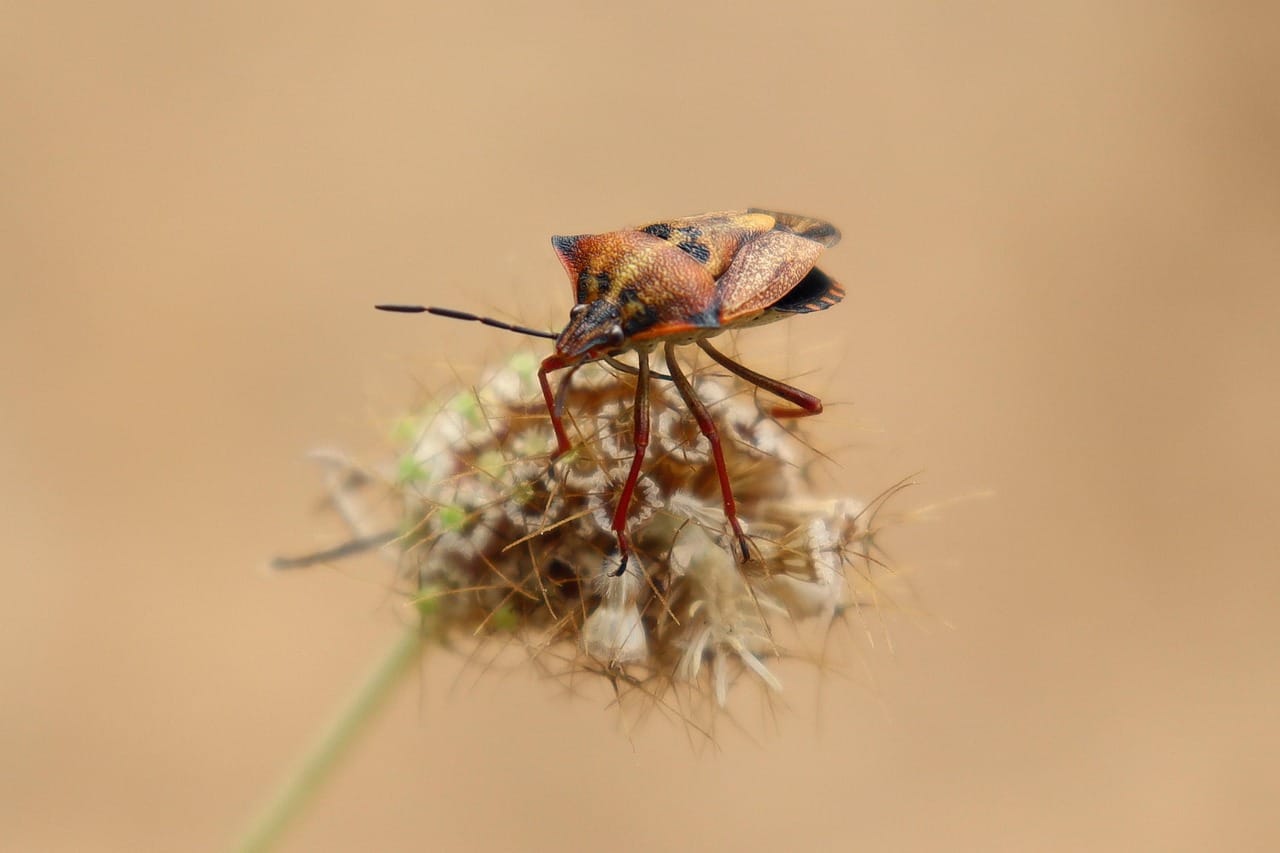
How to Make Natural Bug Repellent at Home… Did you know that over 1 billion people are bitten by mosquitoes each year, spreading diseases and discomfort? Instead of reaching for chemical-laden sprays that can harm your health and the environment, why not take matters into your own hands? Imagine creating a powerful, natural bug repellent right in your kitchen! With just a few simple ingredients, you can shield yourself and your loved ones from pesky pests while embracing the wonders of nature. Ready to reclaim your outdoor space? Let’s dive into the art of crafting your own bug repellent at home!
How to Make Natural Bug Repellent at HomeAs the seasons change and the weather warms up, so do the pesky bugs that seem to invade our outdoor spaces. Instead of reaching for commercial bug repellents that often contain harsh chemicals, why not try making your own natural bug repellent at home? Not only is it easy and cost-effective, but it also allows you to control the ingredients that go on your skin and in your environment. Let’s dive into some fun and effective recipes!
Why Use Natural Bug Repellents?Natural bug repellents have several advantages over their chemical counterparts:
When making your own bug repellent, certain essential oils and natural ingredients are particularly effective against common pests:
| Ingredient | Bug Repellent Properties | |
| Lemon Eucalyptus Oil | Effective against mosquitoes and biting flies. | |
| Lavender Oil | Repels mosquitoes and moths, plus smells great! | |
| Peppermint Oil | Deters ants, mosquitoes, and spiders. | |
| Tea Tree Oil | Known for its antimicrobial properties, it also repels bugs. | |
| Apple Cider Vinegar | Works as a base and can repel flies and mosquitoes. | |
| Witch Hazel | Acts as an astringent and helps in keeping bugs at bay. |
#
1. Essential Oil Bug SprayIngredients:
Instructions:
1. Combine the essential oil, witch hazel (or apple cider vinegar), and water in the spray bottle.
2. Shake well before each use.
3. Spray on exposed skin and clothing, avoiding the face and eyes.
#
2. Herbal Bug RepellentIngredients:
Instructions:
1. Boil the water and add the fresh herbs.
2. Let it steep for about 20-30 minutes, then strain the mixture.
3. Add apple cider vinegar and transfer to a spray bottle.
4. Shake well and spray on skin and clothing.
Making your own natural bug repellent is not only a fun DIY project but also a fantastic way to ensure you and your family are protected from pesky bugs without the use of harmful chemicals. With just a few simple ingredients and a little creativity, you can whip up a bug repellent that suits your personal style and keeps the bugs at bay. So why wait? Gather your ingredients and start crafting your own natural bug repellent today! Enjoy your outdoor adventures without the worry of unwanted guests!
In conclusion, creating a natural bug repellent at home is a simple and effective way to protect yourself from pesky insects while using ingredients that are safe for both you and the environment. By utilizing essential oils such as citronella, lavender, and eucalyptus, you can craft a personalized formula that suits your needs. Have you tried making your own bug repellent, or do you have any favorite recipes to share? We’d love to hear your thoughts in the comments!
Why More People Are Choosing Homemade Bug Repellent
Learning How to Make Natural Bug Repellent at Home has become increasingly popular because many people want a simpler, more natural way to deal with mosquitoes and other biting insects. Commercial sprays can be convenient, but many of them contain strong ingredients, overpowering scents, or formulas that some people prefer to avoid on their skin, around children, or in outdoor spaces where they spend a lot of time. Homemade bug repellent offers more control over what goes into the mixture and how strong or gentle the final product feels.
Another reason natural bug repellents are appealing is that they can be customized. Some people prefer fresh herbal scents, while others like citrus or calming floral blends. When you make your own repellent, you can adjust the ingredients based on your scent preferences, the type of application you want, and the setting where you plan to use it. A light body spray for a backyard evening may be very different from a stronger clothing spray for hiking or camping.
There is also a satisfying DIY element to the process. Instead of buying another product off the shelf, you can make a practical solution with ingredients you may already have at home. That combination of simplicity, flexibility, and creativity is a big part of why homemade bug repellent continues to attract so much interest.
How Natural Bug Repellent Works
Natural bug repellents do not usually work by killing insects on contact. Instead, they help make you less attractive to bugs by masking the scents that insects use to find people or by surrounding you with plant-based aromas that many bugs dislike. Mosquitoes, for example, are drawn to carbon dioxide, body heat, and certain skin odors. Repellent ingredients help interfere with that attraction.
Essential oils such as lemon eucalyptus, lavender, peppermint, citronella, tea tree, and lemongrass are often used because their strong botanical compounds can help create a scent barrier. Witch hazel, water, and certain natural vinegars are often included as carriers or bases that help spread the repellent more evenly across the skin or clothing.
It is important to remember that natural repellents often need to be reapplied more frequently than conventional products. That does not make them useless. It simply means they tend to work best when used intentionally and refreshed regularly, especially in areas with heavy mosquito activity or during warm, humid weather.
How to Make Natural Bug Repellent at Home Safely
Before making any homemade skin spray, safety should come first. Essential oils are highly concentrated, so they should always be diluted properly rather than applied directly to the skin in large amounts. Patch testing is also important, especially if you have sensitive skin or are trying a new oil for the first time. Even natural ingredients can cause irritation if your skin does not react well to them.
It is also wise to be careful with the eyes, mouth, and broken skin. Homemade bug repellent should be sprayed or applied thoughtfully, not used carelessly like perfume. If you plan to use it on children, extra caution matters even more. Gentler blends and lower concentrations are often the better choice.
Another important detail is container choice. A clean spray bottle made of glass or durable plastic works best. Dark glass can help protect essential oils from light, which may help preserve the mixture a bit longer. Proper labeling is helpful too, especially if you make more than one blend or store them with other household sprays.
How to Make Natural Bug Repellent at Home: 15 Easy DIY Recipes and Ideas
1. Simple Witch Hazel and Essential Oil Spray
One of the most basic ways to start is with a simple spray made from witch hazel, water, and a few drops of bug-repelling essential oils. This is popular because it is easy to mix, easy to apply, and light enough for casual outdoor use. Lemon eucalyptus, lavender, peppermint, or citronella are common choices.
This kind of spray works well for short periods outside, such as sitting on a patio, gardening briefly, or walking in the evening. Because it is light, it usually needs to be reapplied more often than stronger formulas.
2. Apple Cider Vinegar Herb Spray
Apple cider vinegar is a popular household ingredient in DIY repellents because of its strong smell and easy availability. It can be combined with herbs such as mint, rosemary, basil, or lavender to create a more layered repellent. After steeping the herbs and straining the liquid, the mixture can be diluted and poured into a spray bottle.
This type of spray is often used more for clothing or general body misting rather than delicate facial areas because vinegar has a distinctive smell. Still, many people like it because it feels simple, inexpensive, and easy to make.
3. Lemon Eucalyptus Focused Blend
Lemon eucalyptus is one of the most talked-about plant-based bug repellent ingredients. A homemade blend built around it can be made using a carrier like witch hazel or diluted oil depending on the application style. Its scent feels bright and fresh while still being strong enough to stand out.
This type of blend is often a good choice for people who want a more outdoorsy, crisp-smelling repellent rather than a sweeter floral one. It works particularly well in warm-weather settings.
4. Lavender and Peppermint Cooling Spray
Lavender and peppermint create a blend that feels both soothing and refreshing. Lavender adds a softer floral note, while peppermint introduces a stronger, cooler scent. Together they can create a repellent that feels pleasant to wear on warm evenings.
This style of spray is often favored by people who dislike sharp vinegar-based formulas and prefer a more balanced scent profile. It can be especially nice for backyard gatherings or summer evenings on a balcony or porch.
5. Tea Tree and Witch Hazel Body Mist
Tea tree oil is often included in homemade bug repellent because of its sharp herbal scent and reputation in many natural care products. Combined with witch hazel and water, it can create a stronger-smelling body mist that some people like for outdoor chores, garden work, or casual hikes.
Because tea tree has a very distinctive aroma, it is often best used in moderate amounts and balanced with other oils if you want the final scent to feel more wearable.
6. Citronella Patio Spray
Citronella is one of the best-known natural ingredients associated with outdoor bug control. While it is often found in candles, it can also be used in a homemade spray for patio furniture areas, outdoor fabric, or the edges of gathering spaces. This type of use can be especially helpful when you want to create a broader scent zone around seating rather than relying only on skin application.
For this purpose, the spray is often more about refreshing the outdoor environment than coating the body directly. It can be useful before a meal outside or a relaxed evening in the yard.
7. Herbal Basil and Mint Infusion
If you prefer using fresh herbs rather than relying mainly on essential oils, basil and mint can be steeped in hot water to create a gentle herbal infusion. Once cooled and strained, the liquid can be combined with a small amount of vinegar or witch hazel and stored in a spray bottle.
This kind of recipe feels especially homemade and kitchen-friendly. It may not be as strong as some essential-oil-heavy blends, but it can be a pleasant starting point for those who want a softer approach.
8. Vanilla and Lavender Outdoor Mist
Some people enjoy adding a small amount of vanilla to balance sharper herbal scents. When paired carefully with lavender, it can create a repellent mist that smells softer and a little warmer. This type of blend may feel more cosmetic and less medicinal, which can make it more pleasant for social settings.
The key is to keep the formula light and not overly sweet. The goal is still repellent support, not turning the spray into a perfume.
9. Clove and Citrus Clothing Spray
Clove has a stronger, spicier scent than many other repellent ingredients, so it is often better suited to clothing or fabric sprays rather than direct skin use in high amounts. When mixed with citrus notes such as lemon or orange and properly diluted, it can create a warm, bold blend that feels especially suited to camping gear, light jackets, or picnic blankets.
This type of spray can be useful when you want to target the environment around you as well as your body.
10. Coconut Oil Balm for Small Areas
Not every natural bug repellent has to be a spray. A simple balm made with coconut oil and a few selected essential oils can be useful for ankles, wrists, or the back of the neck. This style is helpful when you want a more targeted repellent that stays on the skin a little longer.
A balm can also be convenient for travel because it is less likely to leak than a bottle. However, because it is oil-based, it should be used more sparingly and thoughtfully than a mist.
11. Rosemary and Lemongrass Blend
Rosemary and lemongrass together create a strong herbal-citrus combination that feels fresh and outdoorsy. This blend can work well for those who want something bright but not overly floral. It is especially well suited to garden time, outdoor cooking, or sitting outside in the late afternoon and early evening.
This is one of those combinations that feels both functional and pleasantly aromatic, which makes it a popular DIY choice.
12. Multi-Oil Bug Repellent Blend
Some people prefer not to rely on just one oil. A small, balanced mix of lemon eucalyptus, lavender, peppermint, and tea tree can create a more complex repellent blend. The idea is not to overload the bottle with every oil available, but to combine a few that work well together.
This can be especially useful if you find that one note by itself feels too sharp or too plain. A blended formula often smells more rounded and interesting.
13. Aloe Vera Mist for a Softer Feel
If you want a homemade repellent that feels a little gentler on the skin, adding a small amount of aloe-based ingredient to a diluted spray can create a softer skin feel. This type of formula can be especially appealing in hot weather when you want the repellent to feel less drying.
Because aloe can change the texture, it works best in modest amounts and should be mixed well before each use if the ingredients separate.
14. Outdoor Table Spray for Gatherings
Homemade bug repellent does not always need to be worn. A larger spray blend can be used lightly around outdoor tables, chair cushions, or picnic setups to create a less inviting environment for bugs. This works especially well in combination with other natural approaches like fans, net covers, or citronella candles.
Using a room-or-space-style spray like this can help support your overall outdoor setup without depending entirely on body application.
15. Travel-Size Pocket Repellent
Once you find a blend you like, making a small travel-size version is one of the most practical ideas. A mini spray bottle can fit into a purse, backpack, picnic basket, or travel pouch so you can reapply easily when needed. Since natural repellents often need refreshing more often, portability makes a big difference.
This small step turns a homemade recipe into something you will actually use consistently rather than leaving it behind at home.
Best Ingredients to Keep on Hand
If you want to make natural repellent regularly, a few ingredients are especially useful to keep stocked. Witch hazel is a popular base because it is light, easy to spray, and blends well with essential oils. Apple cider vinegar is another common base, especially for stronger-smelling homemade formulas. Clean water helps dilute the mix, and good-quality spray bottles make application much easier.
Among essential oils, lemon eucalyptus, citronella, lavender, peppermint, tea tree, rosemary, and lemongrass are some of the most common choices in DIY recipes. You do not need all of them at once. Even two or three well-chosen oils can be enough to create several effective combinations.
It also helps to keep labels, small funnels, and extra bottles around so that making a new batch feels easy instead of messy or complicated.
How Often to Reapply Homemade Bug Repellent
One of the biggest differences between natural and conventional repellents is how often they need to be refreshed. Homemade natural sprays often work best when reapplied every couple of hours, especially if you are sweating, swimming, sitting in humid weather, or spending time in a mosquito-heavy area.
That does not mean the spray has failed. It simply means plant-based formulas tend to fade faster, especially outdoors. Planning for regular reapplication is part of using them successfully. A small bottle in a bag or pocket makes this much easier.
If you are only outside for a short time, one application may be enough. For longer evenings or active outdoor time, expect to reapply and treat that as normal.
How to Make Natural Bug Repellent at Home for Skin vs Clothing
Skin sprays and clothing sprays do not always need to be exactly the same. A skin formula should usually be more cautious, more diluted, and more mindful of sensitivity. Clothing sprays can often tolerate slightly stronger scent levels because they are not sitting directly on the skin in the same way.
This distinction is useful because sometimes the best strategy is to use both. A lighter skin spray combined with a slightly stronger mist on clothes, hats, or light outer layers can create better overall coverage than relying on only one method.
Just be mindful of fabric sensitivity as well. Some oils may leave marks on delicate materials, so it is worth testing on a small area first.
Other Natural Ways to Support Bug Protection
Homemade repellent works best as part of a broader strategy. Clothing choices can help a lot. Long sleeves, light pants, and breathable fabrics reduce exposed skin. Avoiding outdoor standing water and keeping evening sitting areas breezy can also make a difference. Mosquitoes are generally weaker fliers, so even a simple fan on a patio can help reduce how many linger nearby.
You can also use the environment to your advantage. Herbs such as basil, mint, lavender, and rosemary in pots around an outdoor seating area can support the atmosphere you are trying to create. While plants alone are not enough, they fit naturally with a homemade bug-repellent lifestyle.
Combining these habits with your spray makes the whole approach more effective and realistic.
Common Mistakes to Avoid
One common mistake is adding too much essential oil because you assume stronger automatically means better. In reality, too much can irritate the skin or create an overpowering smell that is unpleasant to wear. Another mistake is failing to shake the bottle before use. Many homemade formulas separate over time, so mixing them before spraying is important.
Some people also make the mistake of expecting a natural spray to behave exactly like a commercial product. Homemade blends often require more frequent use and a little more attention. That is normal. Another avoidable mistake is storing the spray poorly. Heat, direct sunlight, and dirty containers can all reduce the quality of the final product.
Finally, avoid spraying near the eyes, using untested formulas on sensitive skin, or applying unfamiliar oils carelessly. Natural does not mean risk-free. Thoughtful use matters.
How to Store Homemade Repellent Properly
Storage matters because many homemade sprays contain delicate aromatic ingredients. Keep the bottle in a cool, dark place when not in use. A cabinet, drawer, or shaded shelf is usually better than a sunny windowsill or a hot car. If the scent changes dramatically or the mixture looks unusual, it is usually best to make a fresh batch.
Smaller batches are often the smartest option because they stay fresher and let you adjust the recipe more easily next time. Making too much at once can lead to waste if you decide you want a different scent or formula later.
Simple labeling with the date and the main ingredients can also help you stay organized, especially if you try several versions over time.
How to Make Natural Bug Repellent at Home and Actually Enjoy Using It
The best homemade repellent is one you will actually reach for. That means scent matters. Texture matters. Convenience matters. If a blend smells too strong, feels sticky, or is annoying to reapply, you probably will not use it consistently. This is why customization is so valuable.
Try to create a formula that feels pleasant enough to become part of your normal routine. Maybe that means a softer lavender blend for evening walks, a crisp lemon eucalyptus spray for gardening, or a stronger clothing mist for camping trips. When the repellent fits your habits and preferences, it becomes much easier to stick with.
Homemade solutions work best when they feel practical, repeatable, and enjoyable rather than like a chore.
Final Thoughts
Learning How to Make Natural Bug Repellent at Home is a simple way to take more control over your outdoor comfort using ingredients you can understand and customize. With basic tools, a few carefully chosen essential oils, and a suitable base like witch hazel or diluted vinegar, you can create blends that feel more personal and natural than many store-bought options.
The key is to approach homemade repellent with realistic expectations. Natural formulas may need more frequent reapplication, but they offer flexibility, simplicity, and a satisfying DIY element that many people genuinely enjoy. By finding the right blend for your skin, your scent preferences, and your outdoor habits, you can create something both useful and pleasant to use.
Whether you want a lightweight backyard spray, a stronger camping blend, or a small travel bottle for everyday outings, homemade natural bug repellent can be a practical and rewarding addition to your warm-weather routine.