

How to Purify Water Without a Filter: 11 Safe Methods and Practical Tips
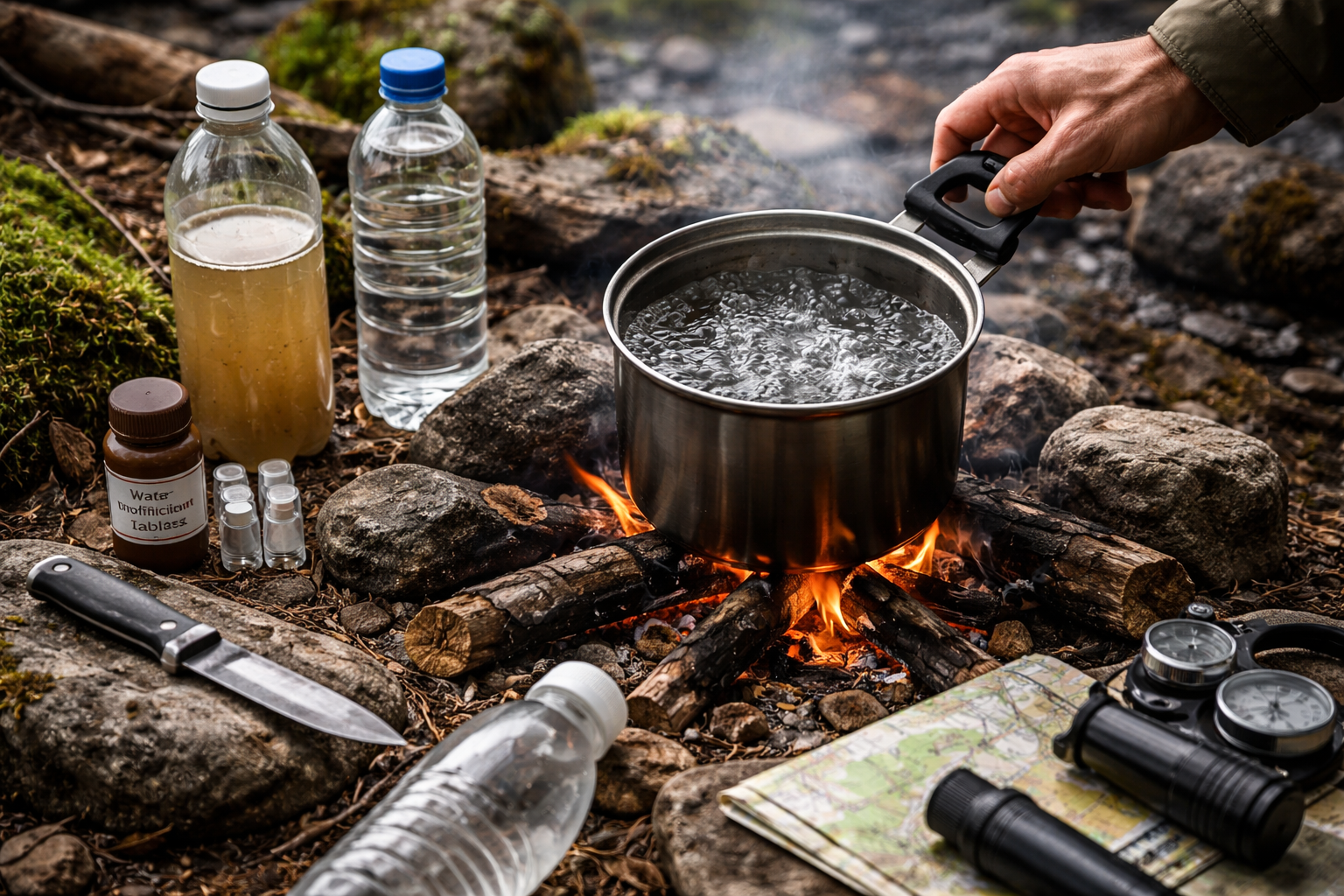
How to Purify Water Without a Filter… Did you know that nearly 2 billion people around the world lack access to safe drinking water? In a world where clean water is a precious commodity, the ability to purify water without a filter can be a lifesaver. Whether you’re hiking in the wilderness, facing a natural disaster, or simply looking for sustainable methods at home, knowing how to purify water using simple techniques can empower you to safeguard your health and well-being. Dive into this guide and discover innovative ways to ensure every drop you drink is safe and clean.
How to Purify Water Without a FilterAccess to clean drinking water is essential for our health and well-being. When you find yourself without a filter, whether you’re camping, hiking, or in an emergency situation, knowing how to purify water using alternative methods can be a lifesaver. Luckily, there are several effective techniques you can use to ensure your water is safe to drink. Let’s dive in!
Boiling WaterOne of the oldest and most reliable methods for purifying water is boiling. This technique is simple and requires no special equipment beyond a heat source.
1. Bring the water to a rolling boil.
2. Maintain the boil for at least one minute (or three minutes at higher altitudes).
3. Allow it to cool before drinking. Chemical Disinfection
Chemical disinfection is another effective method for purifying water. This process typically involves using substances like chlorine or iodine.
1. Add the appropriate amount of chlorine or iodine tablets to the water (follow the manufacturer’s instructions).
2. Stir and let it sit for at least 30 minutes before consumption. Solar Water Disinfection (SODIS)
Using sunlight to purify water is an eco-friendly method known as Solar Water Disinfection (SODIS).
1. Fill a clear plastic bottle with water.
2. Place it in direct sunlight for at least 6 hours (or 2 days in cloudy weather).
3. Ensure the bottle is not too thick-thinner bottles allow UV rays to penetrate better. Distillation
Distillation is a process that involves evaporating water and then condensing it back into liquid form, effectively removing impurities.
1. Heat the water in a pot with a lid, ensuring the lid is inverted.
2. Place ice on top of the lid to facilitate condensation.
3. Collect the distilled water as it drips into a clean container. Comparison of Water Purification Methods
Here’s a handy comparison table to help you decide which method suits your needs best:
| Method | Equipment Needed | Time Required | Effectiveness | |
| Boiling | Heat source | 1-3 minutes | Kills most pathogens | |
| Chemical Disinfection | Chemical tablets | 30 minutes | Effective against many microorganisms | |
| Solar Water Disinfection | Clear plastic bottles | 6 hours (sunny) | Kills viruses and bacteria | |
| Distillation | Pot, lid, and ice | Varies (30+ minutes) | Removes most contaminants |
Sedimentation is a natural process that can be useful when you don’t have access to fancy purification methods.
1. Allow the water to sit undisturbed for several hours.
2. Carefully pour off the top layer, avoiding the sediment at the bottom. Final Thoughts
When it comes to purifying water without a filter, there are multiple methods available, each with its own benefits and drawbacks. Whether you choose boiling, chemical disinfection, solar disinfection, distillation, or sedimentation, you can effectively make water safe to drink. Remember, always choose the method that best fits your situation, resources, and time constraints.
By knowing these techniques, you empower yourself to handle unexpected situations confidently. So grab your gear, and enjoy your next outdoor adventure with peace of mind knowing you can purify water on-the-go! Happy hydrating!
In conclusion, purifying water without a filter can be achieved through various methods such as boiling, using solar disinfection, or chemical treatments like chlorine or iodine. Each method has its advantages and can be effective in ensuring safe drinking water, especially in emergency situations or when you lack access to a filter. What techniques have you tried for purifying water, and which do you find most effective? Share your experiences in the comments!
How to Purify Water Without a Filter in Different Situations
Knowing a few water purification methods is valuable, but the smartest approach is understanding which method fits the situation in front of you. The water you collect from a mountain stream, a rain barrel, a roadside puddle, or an emergency household source may look similar at first glance, yet the risks can be very different. Some methods are best for killing germs, while others help reduce visible dirt, strange smells, or floating particles.
That is why effective water treatment is often a two-step process. First, improve the clarity of the water as much as possible. Second, use a method that disinfects it. When you think this way, you make better decisions and avoid relying on one technique for every possible problem.
Start by Choosing the Cleanest Water Source Available
The easiest way to make water safer is to begin with the cleanest source you can find. If you have multiple options, avoid water that is stagnant, foul-smelling, heavily discolored, or covered with algae. Flowing water is often a better option than still water, and rainwater collected in a clean container may be preferable to surface water in some situations. If you are near a river or stream, gather water upstream from campsites, roads, livestock areas, or any place where contamination is more likely. Small decisions at the collection stage can reduce your workload later and improve the results of your purification method.
If the only available water is muddy or full of visible particles, let it settle first. You can also pour it through a clean cloth, coffee filter, or tightly woven fabric to remove larger debris. This does not make the water safe on its own, but it improves the starting point and helps later treatment work more effectively. In emergency conditions, better source selection is one of the most overlooked skills. Before you boil, disinfect, or distill, always ask whether you are starting with the best water available.
Why Clearer Water Is Easier to Treat
When water contains suspended particles, treatment becomes harder. Dirt and organic matter can interfere with chemical disinfectants and reduce solar exposure during sunlight-based methods. In practical terms, this means cloudy water may require extra settling time, pre-filtering, or a more reliable purification approach. Clear water does not guarantee safety, but it gives every treatment method a better chance of success. If you have time, improve the appearance of the water before moving on to disinfection. It is a simple step that often makes the biggest difference.
Boiling Remains One of the Most Trusted Methods
Boiling remains popular because it is straightforward and dependable when done properly. If you have a pot, a heat source, and enough time, boiling is often the easiest choice in outdoor, emergency, or temporary situations. It works by exposing the water to temperatures that inactivate many disease-causing organisms. For people who feel uncertain about tablets, sunlight timing, or improvised systems, boiling offers a sense of clarity. You can see the rolling boil, follow the time guidance, let the water cool, and store it in a clean container afterward.
Boiled water may taste a little flat because heating can reduce dissolved oxygen, but that is usually easy to fix. Pouring the cooled water back and forth between clean containers can improve the taste slightly by reintroducing air. It is also wise to protect the water after boiling. A clean result can become contaminated again if it is poured into a dirty bottle or handled carelessly. Purification is not only about the treatment itself. Safe handling afterward matters just as much.
When Boiling Is Not the Best Option
Although boiling is reliable, it is not always the most practical method. It requires fuel, time, and a vessel that can be heated safely. In very hot climates or during fast movement, the wait for cooling can also be inconvenient. Boiling does not remove every type of contamination people worry about either. If water has a chemical smell, oily sheen, or obvious pollution, heating alone is not a complete solution. In those situations, it is better to seek a different source if possible. Boiling is excellent for biological contamination concerns, but it is not a magic fix for every kind of unsafe water.
Chemical Disinfection Is Useful When You Need Portability
Chemical treatment is popular with hikers, travelers, and emergency kits because it is lightweight and easy to carry. Tablets or drops take up very little room and can treat multiple containers of water without requiring fuel or a cooking pot. This makes them extremely practical in situations where fire is restricted, weather is poor, or speed matters. Chemical disinfection can be especially helpful when you need to treat water while still moving, such as during long hikes or disaster disruptions.
The key to success is careful use. You must follow the product instructions, respect the required waiting time, and remember that colder or cloudier water may need extra attention. Taste is one of the most common complaints, but that trade-off is often acceptable in exchange for convenience. If taste matters, treated water can sometimes be improved after the waiting period by aerating it or flavoring it lightly with an appropriate drink mix. What matters most is giving the disinfectant enough time to work and storing the treated water in a clean container.
Use Chemical Treatments Carefully
Chemical methods should always be used exactly as directed on the product label. More is not automatically better, and guessing can create new problems. If you plan to rely on tablets or drops during trips or emergencies, it helps to read the instructions before you actually need them. Keep the product dry, check expiration dates, and understand how much water each dose treats. Preparation matters because stressful conditions can make simple steps feel harder than they should. A little familiarity beforehand makes chemical treatment much safer and easier to use correctly.
How to Purify Water Without a Filter Using Sunlight
Sunlight-based purification appeals to people because it uses a free natural resource and requires very little equipment beyond a suitable clear bottle and enough sun exposure. This method can be practical in bright climates, survival situations, and low-resource environments, especially when other tools are unavailable. It is simple in theory, but results depend heavily on conditions. The water should be relatively clear, the container should allow light to penetrate, and the bottle must sit in strong sunlight for the full recommended period.
This method is best viewed as a useful option when time and weather are on your side. It is not ideal for urgent hydration needs or for heavily turbid water. Still, it can be valuable in the right environment and is worth knowing because it offers an option when fuel, chemical products, and equipment are limited. Like other methods, it works best when combined with good judgment about source quality and careful handling afterward.
Sunlight Methods Work Best with Patience
People sometimes underestimate how important patience is with sunlight treatment. Placing water in weak light for a short time is not the same as following a complete process. If the sky is cloudy, if the bottle is scratched or unsuitable, or if the water is too dirty, effectiveness can drop. That is why sunlight treatment should be used thoughtfully rather than casually. It is a useful technique, but only when the conditions truly support it.
Distillation Is Helpful When Water Quality Is Uncertain
Distillation takes more effort than boiling or chemical treatment, but it has an important advantage: it separates clean water from many impurities through evaporation and condensation. That makes it a valuable method when the source is highly questionable, salty, or otherwise difficult to trust. Distillation can be useful in survival settings, off-grid situations, and some emergency scenarios where other methods are not enough. Because the process captures condensed vapor, many contaminants are left behind in the original container.
Keep the Collection Side Clean
With distillation, the clean side of the system is extremely important. The collected water should drip into a container that is as clean as possible, and the condensed surface should not be touched with dirty hands or tools. If the receiving vessel is contaminated, the effort of distillation loses much of its value. Just like boiled water, distilled water needs clean handling from start to finish.
Settling and Improvised Pre-Filtering Can Improve Results
Settling and straining are not complete purification methods by themselves, but they are useful supporting steps. When water contains sand, silt, leaf matter, insects, or visible particles, letting it sit undisturbed can help heavier material fall to the bottom. Pouring the clearer upper portion through cloth or another clean barrier can improve the appearance and reduce debris. This step makes later boiling, sunlight treatment, or chemical disinfection more effective because the water is easier to treat.
Safe Storage Matters After Purification
Once you have purified water, the job is only partly finished. Storage mistakes can undo your effort very quickly. Always place treated water in a clean container with a secure lid if one is available. Avoid dipping dirty cups, hands, or utensils into the container. If you can, pour the water out instead of reaching into it. Keep drinking water separate from untreated water and label containers clearly when possible. This is especially important in group settings, family emergency situations, or campsites where multiple people may be using the same gear.
Use Dedicated Containers If You Can
If you have more than one bottle or pot, dedicate one to untreated water and another to purified water. This simple habit lowers the risk of accidental cross-contamination. Even a well-purified batch can become unsafe if it touches a dirty rim, lid, or spoon. In practical survival or travel situations, small systems like this make a huge difference because they reduce confusion and create repeatable habits.
Common Mistakes People Make When Treating Water
A very common mistake is rushing the process. People may stop boiling too soon, shorten the wait time for chemical treatments, or assume a sunny method is complete before enough exposure has occurred. Another mistake is using a method that does not fit the condition of the water. For example, relying on sunlight with very cloudy water or assuming that straining through cloth has made water safe to drink. Poor storage is another major issue. Contamination after treatment is surprisingly common because clean water often ends up back in dirty bottles or open cups.
Another mistake is ignoring warning signs in the source itself. Water with a strong chemical odor, visible foam, oily surface residue, or clear industrial contamination should be avoided whenever possible. In general, the best strategy is not to choose one favorite method blindly. Instead, match the treatment to the source, the tools available, and the urgency of the situation. Good water decisions come from flexibility and caution, not from habit alone.
How to Purify Water Without a Filter During Travel and Emergencies
Travel and emergency conditions often create the exact circumstances where these skills matter most. A power outage can limit access to treated household water. A storm may interrupt normal supplies. A long hike may take longer than expected. A remote destination may not offer the level of water quality you are used to at home. In all of these cases, understanding a few practical methods can reduce panic and help you stay focused. The best emergency skill is not perfection. It is the ability to make the safest available choice with the tools you have.
This is also why preparation matters before the need appears. Keeping a metal pot, safe water containers, and approved disinfection products in an emergency kit can make your response far more effective. If you travel frequently, a compact water treatment plan belongs in your packing list just like a flashlight or first-aid items. Confidence comes from having options and knowing how to use them correctly.
A Practical Water Safety Mindset
The most useful lesson in all of this is that water purification is not about one trick. It is about process. Choose the cleanest source available. Improve clarity when needed. Apply the most suitable treatment method you can perform correctly. Store the result carefully. Repeat the process consistently. When you treat water this way, you reduce risk and make smart decisions even under pressure. That mindset is valuable whether you are camping for fun, facing a temporary outage, or learning preparedness skills for the future.
Final Thoughts on Safer Drinking Water
Learning how to purify water without a filter gives you flexibility, resilience, and a stronger sense of self-reliance. Boiling, chemical disinfection, sunlight exposure, distillation, settling, and careful storage all have a place when used thoughtfully. No single method is perfect for every situation, but each one becomes more powerful when paired with good judgment and clean handling. When safe water is uncertain, practical knowledge matters. The more prepared you are, the easier it becomes to protect your health, support others, and respond calmly when clean drinking water is not immediately available.