

How to Read Emotions from Eye Movements: 9 Powerful Eye Signals That Reveal True Feelings
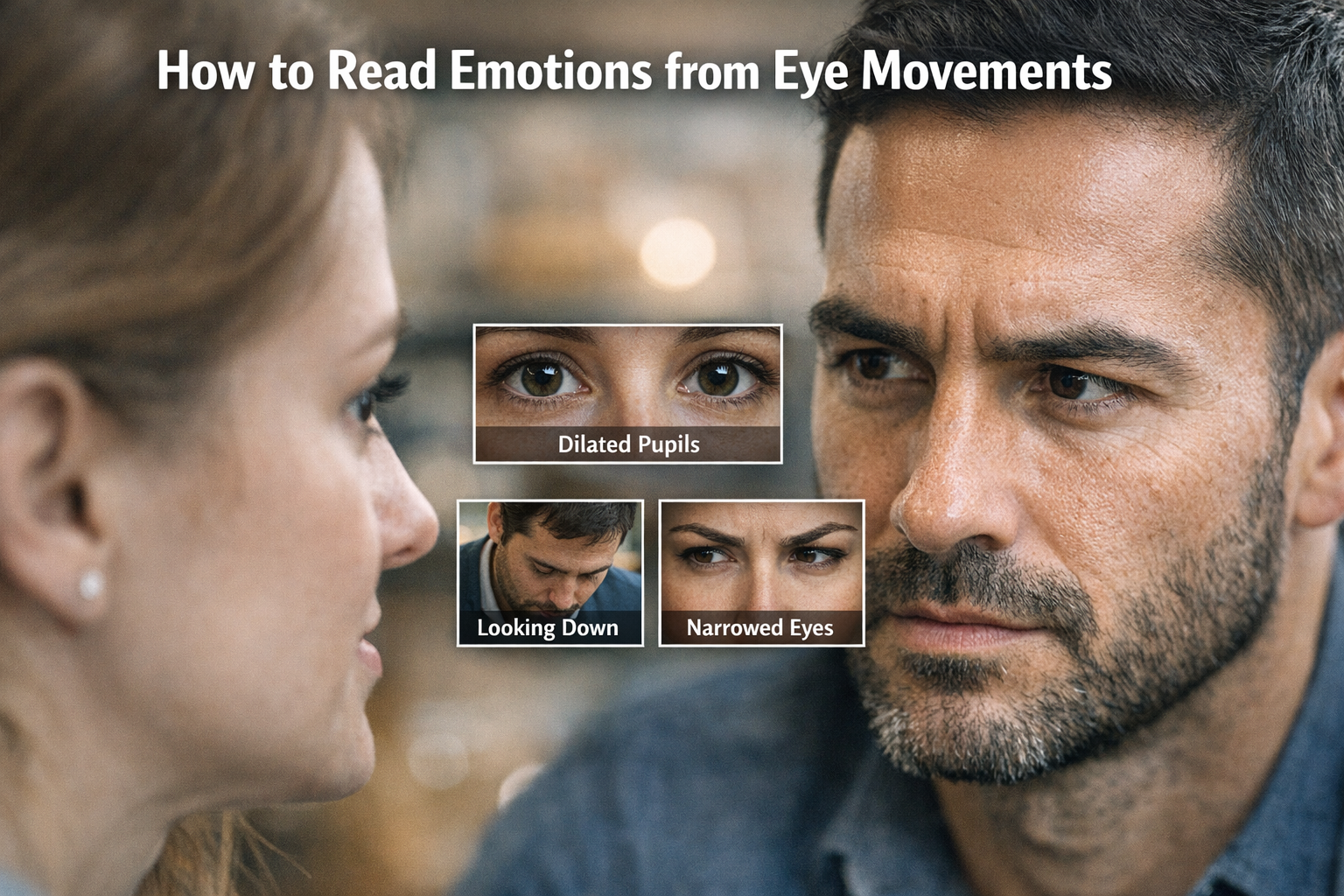
How to read emotions from eye movements… Did you know that up to 90% of our communication is non-verbal? Our eyes, often called the “windows to the soul,” reveal a wealth of emotions that words alone can’t express. Have you ever wondered what someone truly feels when they meet your gaze? In a world where understanding each other is more crucial than ever, learning to interpret eye movements can unlock hidden feelings, intentions, and even secrets. Join us as we delve into the fascinating art of reading emotions through the intricate dance of the eyes, and discover the silent language that speaks volumes.
How to Read Emotions from Eye MovementsUnderstanding emotions is an essential part of human interaction, and the eyes often give us the most telling clues. Eye movements can convey a wide range of feelings, from happiness to anger, excitement to fear. By learning to read these subtle cues, you can enhance your empathetic skills and improve your communication. In this blog post, we will explore the fascinating world of eye movements and how they relate to emotions.
The Science Behind Eye MovementsThe eyes are often referred to as the “windows to the soul,” and there’s a scientific basis for this saying. Our eye movements can reveal a lot about our emotional state. Here are some key points:
To better understand how to interpret eye movements, let’s take a look at some common types and what they might signify. The table below summarizes different eye movements and their associated emotions.
| Eye Movement | Emotion Indicated | |
| Pupil Dilation | Excitement, Attraction | |
| Rapid Blinking | Anxiety, Nervousness | |
| Slow Blinking | Relaxation, Calmness | |
| Direct Eye Contact | Confidence, Interest | |
| Looking Away | Discomfort, Dishonesty | |
| Eye Rolling | Disdain, Frustration | |
| Staring | Aggression, Intensity |
While the above indicators can provide general insights, context is crucial for accurate interpretation. Here are some scenarios to consider:
To effectively read emotions through eye movements, consider the following tips:
Reading emotions from eye movements is an invaluable skill that can enhance your interactions and deepen your understanding of others. While it may take some practice to become adept at interpreting these signals, being aware of the subtle cues can significantly improve your communication and empathy. So next time you’re in a conversation, pay close attention to those captivating eyes
In conclusion, understanding emotions through eye movements can provide valuable insights into a person’s feelings and intentions. By paying attention to various cues such as pupil dilation, blinking patterns, and gaze direction, we can enhance our emotional intelligence and improve our interpersonal communication. Have you ever noticed how someone’s eyes can reveal their true feelings? Share your experiences in the comments!
Why Learning How to Read Emotions from Eye Movements Matters
Mastering how to read emotions from eye movements can significantly improve your ability to understand people in everyday interactions. The eyes respond almost instantly to emotional stimuli, often revealing feelings before a person has time to control their facial expressions or words. Because of this, eye behavior is one of the most reliable indicators of genuine emotional reactions.
In both personal and professional settings, understanding these signals can strengthen relationships and improve communication. When you recognize emotional cues early, you can respond more thoughtfully and empathetically. This awareness helps prevent misunderstandings and allows conversations to become more authentic and productive.
For example, if someone’s eyes show signs of discomfort during a discussion, it may indicate that the topic is sensitive or that they feel uncertain about what is being said. Noticing this subtle shift allows you to adjust your tone, ask clarifying questions, or create a more comfortable environment for open dialogue.
Subtle Eye Behaviors That Reveal Hidden Feelings
While obvious eye movements like staring or looking away are easy to notice, many emotional signals are far more subtle. Small changes in muscle tension around the eyes, slight variations in gaze duration, and even the speed at which someone shifts their focus can communicate powerful emotional messages.
One particularly revealing behavior is gaze hesitation. When a person briefly looks at someone and then quickly shifts their eyes away, it may indicate nervousness or uncertainty. In contrast, prolonged and relaxed eye contact often signals confidence and comfort.
Another subtle cue involves the narrowing of the eyes. This behavior can occur when someone is evaluating information critically or feeling skeptical. On the other hand, widened eyes often indicate surprise, excitement, or sudden interest in the topic being discussed.
Understanding these small differences requires careful observation, but with practice, these signals become easier to recognize. Over time, you begin to notice patterns that reveal emotional reactions almost instantly.
How to Practice Reading Emotional Signals Through Eye Contact
Developing the skill of interpreting eye movements requires active observation and patience. One effective way to practice is by observing conversations in everyday environments such as meetings, interviews, or casual social interactions.
Begin by focusing on how eye behavior changes when different topics arise. Notice whether someone’s gaze becomes more intense, more relaxed, or more evasive depending on the subject being discussed. These shifts often reflect underlying emotional reactions.
Another helpful technique is watching recorded interviews or conversations. Because videos allow you to pause and replay moments, they make it easier to study subtle eye movements that might otherwise go unnoticed in real time.
It is also valuable to compare eye movements with other forms of body language. Facial expressions, posture, and vocal tone often reinforce the emotional signals communicated through the eyes. When multiple cues align, the interpretation becomes far more reliable.
Common Mistakes When Interpreting Eye Movements
Although learning how to read emotions from eye movements can be extremely useful, it is important to avoid jumping to conclusions based on a single signal. Eye behavior can be influenced by many factors including lighting conditions, fatigue, cultural norms, and individual personality traits.
For example, some people naturally avoid prolonged eye contact due to shyness or cultural etiquette. Others may blink frequently because of dry eyes or environmental conditions rather than emotional stress.
This is why it is essential to observe patterns rather than isolated behaviors. When multiple signals appear together and align with the context of the conversation, the interpretation becomes much more reliable.
By combining observation with empathy and context awareness, the ability to read emotional signals from the eyes becomes a powerful tool for deeper human understanding.
How to Read Emotions from Eye Movements in Everyday Conversations
Learning how to read emotions from eye movements becomes especially useful in everyday conversations because most people reveal emotional shifts through their eyes before they reveal them through words. In a casual discussion, the eyes often react automatically to surprise, discomfort, enthusiasm, suspicion, attraction, or boredom. These reactions can happen in a fraction of a second, which is why careful observation is so important.
When someone feels genuinely engaged, their eyes usually appear more focused and responsive. Their gaze tends to stay present, and their eye movements match the rhythm of the conversation. When they become distracted, uneasy, or emotionally withdrawn, their gaze may drift, their blinking may change, or their eyes may stop responding naturally to the flow of interaction.
This does not mean that every eye movement has a hidden meaning. Instead, the goal is to notice patterns. A single glance away may mean nothing. Repeated eye shifts during a difficult question, however, may suggest discomfort or mental effort. The more you observe people across different situations, the easier it becomes to notice when their eyes reflect a meaningful emotional change.
9 Powerful Eye Signals That Can Reveal True Feelings
Understanding how to read emotions from eye movements becomes easier when you break the process down into recognizable signals. These signals should never be interpreted in isolation, but they can provide valuable clues when viewed together and in context.
1. Prolonged Eye Contact
Steady eye contact often suggests confidence, interest, and emotional presence. In warm and open conversations, it can reflect trust, attraction, or sincere engagement. In more intense situations, prolonged eye contact can also signal challenge, dominance, or confrontation. The emotional meaning depends heavily on facial tension, tone of voice, and the surrounding context.
2. Rapid Blinking
Rapid blinking frequently appears when someone feels stress, nervousness, or cognitive overload. It can happen when a person is under pressure, hiding discomfort, or trying to process emotionally difficult information. In some cases, rapid blinking also appears when a person feels excitement or heightened anticipation. The key is to compare the blink rate to the person’s normal behavior.
3. Slow Blinking
Slow blinking often suggests calmness, comfort, or emotional ease. In relaxed conversations, it may indicate trust and a lack of tension. In social settings, slow blinking can sometimes communicate affection or warmth. However, if it appears alongside disengaged posture or lack of focus, it might also signal boredom or fatigue.
4. Pupil Dilation
Pupil dilation is one of the most fascinating emotional indicators because it often happens automatically. Pupils can dilate when a person feels attraction, excitement, curiosity, fear, or strong interest. Since pupil size is also affected by lighting, it is important not to overinterpret it. Still, when lighting conditions stay constant, noticeable pupil changes can reveal a strong emotional reaction.
5. Looking Down Frequently
Looking down may indicate sadness, shame, insecurity, reflection, or submissiveness. In emotionally charged moments, people often lower their gaze when they feel vulnerable or uncertain. Looking down can also happen when someone is thinking deeply. To interpret it accurately, notice whether it appears with a quiet tone, tense face, or closed body posture.
6. Looking Away During Key Moments
When a person looks away precisely when a sensitive topic arises, that timing can be significant. This may reflect discomfort, avoidance, emotional conflict, or a desire to hide a reaction. For example, someone may maintain normal eye contact throughout a conversation but suddenly break gaze when asked a personal question. That shift matters more than the eye movement alone.
7. Eye Narrowing
Narrowed eyes often signal skepticism, concentration, suspicion, or critical evaluation. When people are uncertain about what they are hearing, they may instinctively narrow their eyes while processing the information. In other situations, narrowed eyes may reflect irritation or emotional distance. Observing the mouth and brows helps clarify whether the feeling is analytical or defensive.
8. Wide Eyes
Wide eyes usually indicate surprise, fear, excitement, or sudden attention. This response often appears when a person hears unexpected news or sees something emotionally striking. Wide eyes combined with raised brows often signal astonishment, while wide eyes paired with a tense jaw may indicate fear or alarm.
9. Frozen or Unnaturally Fixed Gaze
A gaze that feels unusually fixed can suggest emotional suppression, shock, hyper-focus, or an attempt to control visible reactions. In some conversations, a person may become so tense that their normal eye movement pattern changes and becomes rigid. This can happen when they are trying hard not to reveal what they feel.
How Emotional Context Changes the Meaning of Eye Movements
One of the biggest mistakes people make when learning how to read emotions from eye movements is assuming that a single behavior always means the same thing. In reality, emotional context changes everything. A person who looks away may be shy, thoughtful, guilty, overwhelmed, or simply distracted. The eyes provide clues, not guaranteed answers.
Context includes the topic of conversation, the person’s relationship with others, the emotional intensity of the moment, and the environment itself. Someone in a job interview may blink more because they feel pressure, not because they are hiding something. Someone on a first date may avoid eye contact out of attraction and nervousness rather than disinterest.
This is why emotional interpretation must remain flexible. The most accurate readers of body language do not jump to conclusions. Instead, they observe, compare, and look for consistency. They ask themselves whether the eye movement matches the rest of the person’s behavior and whether it changes when the subject changes.
How to Read Emotions from Eye Movements in Professional Settings
Professional settings provide excellent opportunities to practice reading emotional cues because people often try to remain verbally composed even when their emotions shift internally. During meetings, interviews, presentations, and negotiations, the eyes can reveal confidence, uncertainty, agreement, resistance, or stress.
For example, during a presentation, a listener whose eyes stay focused and responsive is probably engaged. If their gaze begins to wander repeatedly, they may be losing interest or becoming mentally overloaded. In negotiations, a person may maintain a calm face while their blinking increases or their gaze shifts quickly when a specific price, condition, or objection is mentioned. These reactions can reveal which points matter most to them.
Managers and team leaders can benefit greatly from this awareness. If a team member says they are comfortable with a plan but their eyes reveal hesitation when deadlines are discussed, that may be a signal to invite more honest feedback. Noticing these small visual cues can improve decision-making, reduce misunderstandings, and strengthen trust within teams.
How Eye Contact Reflects Confidence, Anxiety, and Trust
Eye contact plays a central role in emotional communication because it regulates connection between people. Strong, natural eye contact often suggests confidence and presence. It shows that a person is mentally in the conversation and willing to engage directly. However, intense eye contact that feels forced may signal performance rather than ease.
Anxiety often changes eye contact patterns in noticeable ways. A person may break eye contact too quickly, blink more often, or shift their gaze unpredictably. These signs do not automatically mean dishonesty. More often, they suggest internal tension. Trust, on the other hand, usually appears through balanced eye contact that feels neither avoidant nor overly controlled.
In healthy communication, eye contact tends to feel natural, rhythmic, and emotionally appropriate. People look at each other, briefly look away to think, and return their gaze comfortably. When trust weakens or emotional tension rises, this rhythm often changes.
Reading Eye Movements in Romantic and Personal Relationships
In personal relationships, learning how to read emotions from eye movements can deepen emotional awareness and improve connection. The eyes often reveal affection, hurt, uncertainty, curiosity, and emotional closeness before those feelings are openly expressed.
For example, someone who feels attracted may hold eye contact a little longer than usual, show more responsive pupils, and appear visually attentive in a soft and consistent way. A partner who feels hurt may avoid eye contact during emotionally sensitive moments, especially if they are trying to protect themselves. Someone who feels emotionally safe often maintains relaxed eye behavior and shows open, responsive attention.
These cues become especially meaningful during difficult conversations. If a person says they are fine but their eyes appear tense, distant, or unusually guarded, their emotional reality may be more complicated. Paying attention to this can help create more compassionate responses. Instead of taking words at face value, you can gently explore what the person may actually be feeling.
How to Build Accuracy When Reading Eye Signals
The best way to improve accuracy is to observe people over time. Every individual has habits, preferences, and natural eye patterns. Some people naturally maintain stronger eye contact, while others are more visually reserved. Some blink frequently even when calm. Others look away while thinking. Establishing a baseline helps you notice meaningful changes.
To build this skill, start by observing people in low-stakes situations. Notice how their eyes behave when they feel comfortable, amused, focused, confused, or tired. Then compare those patterns to how they behave in more emotionally intense moments. The contrast will teach you far more than memorizing rigid rules.
It is also helpful to pay attention to timing. Emotional signals are often most revealing when they appear immediately after a question, comment, or unexpected event. A sudden shift in gaze after hearing a name, a topic, or a surprising statement may reveal an authentic emotional response before the person has time to manage it.
Common Misinterpretations You Should Avoid
Because eye movements are subtle and influenced by many factors, misinterpretation is always possible. One common mistake is assuming that looking away means lying. In reality, many honest people look away when thinking, feeling emotional, or trying to organize their thoughts. Another mistake is assuming that steady eye contact always means honesty. Some people intentionally maintain strong eye contact to appear convincing.
Fatigue, lighting, allergies, dry air, contact lenses, and stress can all affect how the eyes behave. Cultural norms also matter. In some cultures, prolonged eye contact is respectful and confident. In others, it may feel impolite or aggressive. Emotional intelligence requires sensitivity to these differences.
The smartest approach is to remain curious rather than certain. Eye movements are useful emotional clues, but they work best when combined with tone of voice, facial expression, posture, word choice, and context.
How to Read Emotions from Eye Movements More Naturally Over Time
With regular practice, reading emotional cues from the eyes becomes less mechanical and more intuitive. At first, you may need to consciously observe blink rate, gaze direction, and pupil changes. Over time, however, your brain starts recognizing emotional patterns automatically.
This happens because human beings are naturally social observers. The more you pay attention, the more sensitive you become to subtle emotional signals. Eventually, you stop thinking only in terms of isolated behaviors and begin noticing the emotional atmosphere a person’s eyes create. Their gaze may feel open, guarded, searching, warm, doubtful, distant, or intense.
This more advanced level of observation is not about judging others. It is about understanding them more deeply. When you learn how to read emotions from eye movements with empathy and restraint, you become a better listener, a more thoughtful communicator, and a more emotionally intelligent person.
Final Thoughts
The eyes communicate constantly, even when the mouth stays silent. They react to attraction, fear, uncertainty, joy, irritation, trust, and emotional conflict with remarkable speed. Learning how to read emotions from eye movements can help you understand others more clearly, respond more empathetically, and navigate conversations with greater awareness.
The most important rule is to observe with care and interpret with humility. No single eye movement can tell the whole story, but patterns of eye behavior can reveal emotional truth in subtle and powerful ways. When combined with context and compassion, these signals become a valuable guide to what people may be feeling beneath the surface.
Whether you are speaking with a friend, listening to a colleague, meeting someone new, or strengthening a close relationship, the eyes can teach you to hear what words alone do not say. And the more carefully you learn to watch them, the more deeply you will understand the people around you.