

How to Remove Rust with Household Items: 11 Easy DIY Methods That Work
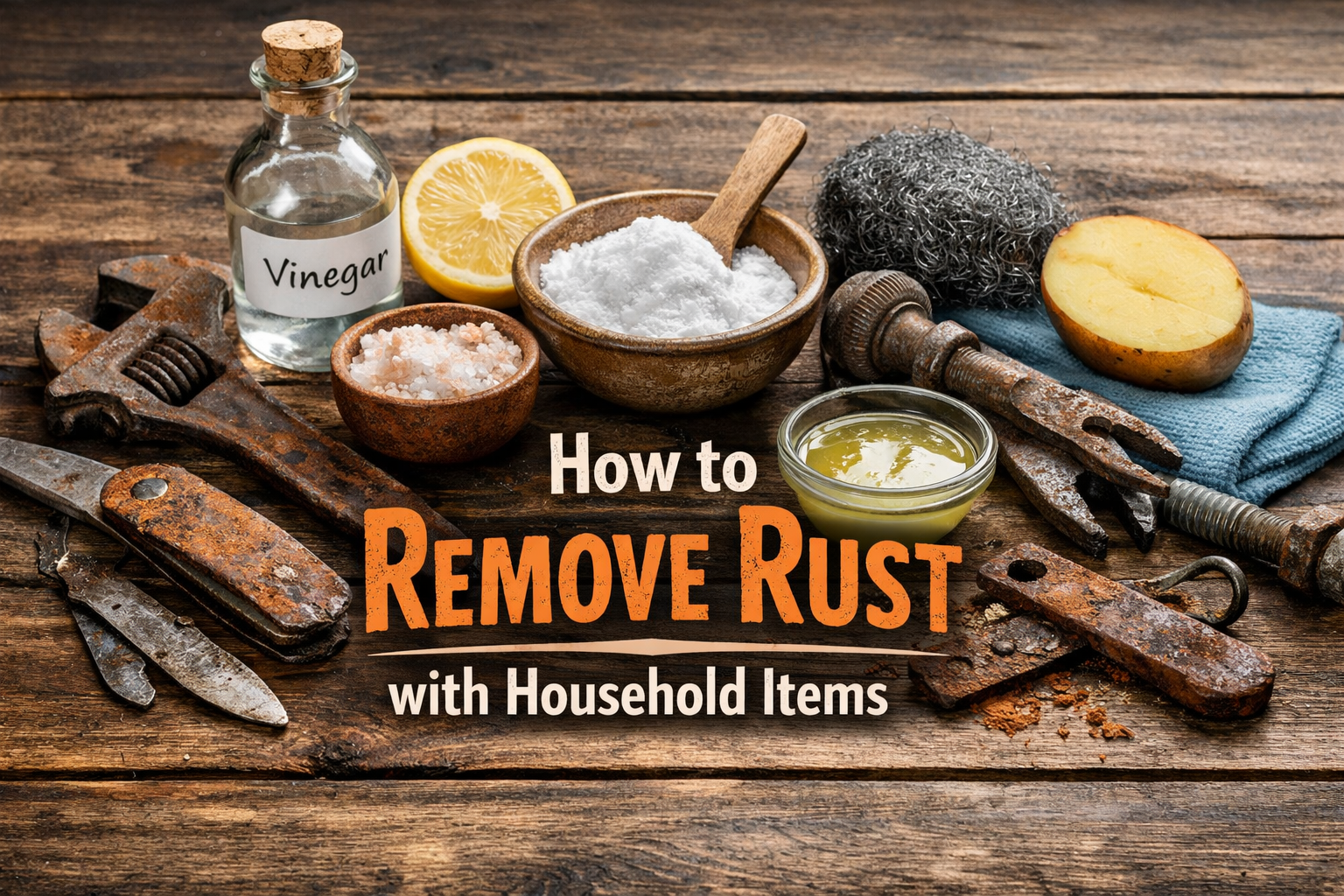
How to Remove Rust with Household Items… Did you know that over 90 million tons of metal are rusted away each year, costing billions in repairs and replacements? But before you toss out that rusty tool or antique, consider this: you can reclaim your items using simple household ingredients! From vinegar to baking soda, everyday items can work wonders in restoring your possessions to their former glory. Ready to unveil the secrets to rust removal and save your valuables? Let’s dive into the world of DIY rust removal with items you already have at home!
How to Remove Rust with Household ItemsRust can be a pesky problem, especially when it starts to creep onto your favorite tools, furniture, or appliances. Instead of running out to buy expensive rust removers, you may already have everything you need right in your kitchen or garage! Let’s explore some effective household items that can help you tackle rust, along with some fun facts and a comparison table to guide you in choosing the best method for your needs.
Understanding Rust and Its CausesBefore diving into the methods, let’s understand what rust is. Rust forms when iron or its alloys react with oxygen and moisture over time. This chemical reaction creates iron oxide, which is what we see as rust. So, the best way to prevent rust is to keep your metal items dry and protected from moisture.
Household Items for Rust RemovalHere are some common household items that can effectively remove rust:
#
1. Baking Soda#
2. Vinegar#
3. Lemon Juice and Salt#
4. Potato and Dish Soap| Method | Effectiveness | Time Required | Ease of Use | Best For | |
| Baking Soda | Moderate | 1-2 hours | Easy | Tools, small items | |
| Vinegar | High | 30 minutes | Moderate | Larger items | |
| Lemon Juice and Salt | High | 1-2 hours | Easy | Small rust spots | |
| Potato and Dish Soap | Moderate | 1 hour | Very Easy | Light rust on delicate items |
Now that you know which household items can help, let’s walk through a general step-by-step guide to removing rust:
1. Gather Your Supplies: Choose your rust removal method and gather the necessary items (e.g., baking soda, vinegar, lemon juice, etc.).
2. Prepare the Area: Work in a well-ventilated space and lay down some old newspapers or a cloth to catch any drips or mess.
3. Apply the Rust Remover: Follow the method described above for the chosen household item. Apply it liberally over the rusted area.
4. Let it Sit: Allow the solution to sit for the recommended time. This step is crucial as it gives the rust remover time to work its magic.
5. Scrub Away the Rust: Use a scrub brush, steel wool, or a piece of cloth to scrub the rusted area. Be gentle with delicate items.
6. Rinse and Dry: Once the rust is removed, rinse the item with water to remove any residue and dry it thoroughly to prevent future rusting.
Additional Tips for Rust PreventionRemoving rust doesn’t have to be a daunting task. With common household items and a little elbow grease, you can restore your metal items to their former glory. Not only will you save money, but you’ll also enjoy the satisfaction of DIY rust removal. So, roll up your sleeves, grab those household supplies, and get ready to say goodbye to rust!
In conclusion, removing rust with household items is not only effective but also eco-friendly and cost-efficient. By utilizing common ingredients like vinegar, baking soda, and lemon juice, you can restore your metal items to their former glory without harsh chemicals. Have you tried any of these methods, or do you have your own rust removal tips? Share your experiences in the comments!
How to Remove Rust with Household Items Safely and Effectively
Household rust removal works best when you match the method to the object, the severity of the rust, and the finish of the surface. A rusty garden trowel can tolerate more scrubbing than a decorative lamp, and a cast-iron pan requires a different approach than chrome hardware or a kitchen knife. That is why the smartest DIY strategy is not simply choosing the strongest ingredient. It is choosing the safest method that can loosen the rust without damaging the material underneath. In many cases, patience matters more than force. Letting an acidic solution sit long enough, reapplying a paste, or repeating a gentle scrub several times is often more effective than attacking the metal aggressively and scratching the surface.
Another important point is that rust removal does not end when the orange-brown coating disappears. Once the corrosion is gone, the cleaned item becomes vulnerable again if it is left damp, stored badly, or returned to the same conditions that caused the rust in the first place. A good rust-removal routine always has three phases: loosen and lift the rust, clean and dry the item thoroughly, and protect the metal so corrosion is less likely to return. When people skip the last step, they often think the home remedy failed, when the real issue is that the metal was left exposed afterward.
Best Household Ingredients for Different Rust Problems
Although vinegar, baking soda, lemon juice, and potatoes are the most popular examples, they are not interchangeable in every situation. Vinegar is usually the strongest everyday household option because its acidity can soften rust effectively during a soak. It is ideal for hand tools, bolts, screws, small hardware, and other items that can sit in a container safely for several hours. Baking soda, on the other hand, works better when you need controlled abrasion and a thick paste that stays in place. It is a good choice for flat surfaces, rust spots, and items you do not want to fully soak.
Lemon juice and salt are especially useful for smaller rust patches because the acid and grit work together well, and many people like this method for light rust on kitchen tools or decorative objects. A potato with dish soap is gentler and best viewed as a light-duty option for surface rust, especially when you want something simple and low risk. Each method has a place, and choosing the right one makes the process faster and safer.
When to Use Vinegar First
If the object is solid metal, small enough to soak, and not coated with a delicate finish, vinegar is often the best starting point. The soak can loosen corrosion in hard-to-reach crevices without much effort. After soaking, a brush, steel wool, or scrubbing pad can lift what remains. Vinegar is especially useful for rusty nuts, pliers, wrenches, garden tools, and old hardware found in sheds or garages. However, vinegar should be used with care on surfaces that may react badly to acid, such as certain plated finishes or items with surrounding materials like wood handles, paint, or glued components that should not be saturated.
When Baking Soda Is the Better Choice
Baking soda shines when you need more control. A paste can be spread directly onto a localized rust spot, which makes it helpful for appliances, outdoor furniture, sink fixtures, and metal surfaces that cannot be submerged easily. Because it is milder than vinegar, it is often a safer first option for items you care about visually. The scrubbing action comes from both the paste and the brush, so results may take more time, but the risk of overdoing it is lower. For many households, baking soda is the best all-purpose option because it is cheap, non-toxic, and easy to rinse away.
Step-by-Step Rust Removal by Surface Type
The surface matters just as much as the ingredient. Rust on a knife, for example, should be handled differently from rust on patio furniture or bathroom hardware. For small tools, start by brushing away loose debris. Then either soak in vinegar or apply a baking soda paste, depending on the finish and severity. Scrub, rinse, and dry thoroughly. For larger furniture or railings, use a cloth or sponge to apply the chosen solution to the rusted area, let it sit, then scrub with a non-damaging brush. For kitchen items, always finish by washing with soap and water to remove residue before using the item again.
If you are dealing with cast iron, be especially careful to dry the piece immediately after rust removal and season it again with a thin coat of oil. Cast iron is highly vulnerable to repeat rust if left unprotected. Chrome or polished surfaces require gentler handling because scratching can be more noticeable than the rust itself. In those cases, a softer cloth, milder scrubbing pressure, and shorter contact time are usually the better approach.
How to Remove Rust from Tools
Rusty tools are one of the most common DIY cases because they often sit in damp garages, basements, or outdoor spaces. Hand tools usually respond very well to vinegar soaking followed by brushing. Start by wiping off dirt and grease so the acid can reach the rust more directly. Let the tool soak, then check it periodically rather than forgetting it overnight. Once the rust loosens, scrub carefully and rinse the tool well. Dry it completely with a towel and, if possible, leave it in a warm dry place for a while before storing it. A very light coat of oil afterward can help prevent future moisture damage.
This is also a good time to inspect the handle and moving parts. Sometimes the visible rust is only part of the problem. Hinges, springs, and joints can trap moisture and need attention too. Home rust removal works best when the entire object is cleaned and protected, not just the most obvious orange spots.
How to Remove Rust from Kitchen Items
Kitchen items need extra care because anything used near food should be cleaned thoroughly after treatment. For light rust on metal graters, can openers, knives, or scissors, baking soda paste or lemon juice with salt can be a good starting point. These methods allow you to target the affected areas without over-soaking the whole item. After scrubbing, wash the item well with warm soapy water, rinse completely, and dry immediately. For more serious rust on carbon steel or cast iron cookware, rust removal should be followed by drying over low heat and applying a protective layer of oil.
If an item has deep pitting, flaking metal, or questionable hygiene after long-term corrosion, replacing it may be the better choice. Household methods can restore many metal items effectively, but not every object should automatically be saved for food use if the structural condition is poor.
How to Remove Rust from Bathroom and Outdoor Fixtures
Bathroom fixtures, balcony furniture, and outdoor metal décor often develop rust because of repeated exposure to humidity and weather. These items usually cannot be soaked, so direct application works better. Apply baking soda paste or vinegar-soaked cloths to the rusted area, let the treatment sit, and scrub gently. Be careful around painted finishes, sealants, and surrounding stone or tile, especially with acidic solutions. Once the rust is removed, dry the fixture and consider adding a protective coating designed for metal in humid or outdoor environments.
Mistakes to Avoid When Using Household Rust Remedies
One of the biggest mistakes is scrubbing too hard, too early. If the rust has not had enough time to soften, aggressive friction can scratch the underlying metal while removing very little corrosion. Another mistake is leaving acidic ingredients on the surface for too long without checking the finish. Vinegar and lemon juice can be very helpful, but they are still acids, and some materials may dull or discolor if ignored for too long. Using the wrong tool is another issue. Steel wool may be excellent for sturdy tools but too harsh for decorative or polished surfaces.
People also make the mistake of skipping the rinse-and-dry stage. Any leftover acid, salt, or moisture can contribute to renewed corrosion. Finally, many DIY attempts fail because there is no prevention plan afterward. If the cleaned item goes right back into a damp shed, under a leaky sink, or out into the rain without protection, the rust will often return quickly.
Natural Rust Prevention After Cleaning
After you remove rust, the next goal is stopping it from coming back. The easiest preventive habit is keeping metal dry. Wipe down tools after outdoor use, dry kitchen items immediately after washing, and avoid leaving metal objects in humid corners for long periods. A thin protective barrier can also help. Light machine oil, mineral oil, or a rust-resistant spray can create a shield between the metal and moisture. For cookware like cast iron, seasoning with oil is essential. For outdoor items, protective paint or sealant can be a better long-term solution.
Storage matters as well. Metal objects last longer when they are kept off damp concrete floors, away from standing water, and in spaces with decent airflow. Even simple changes, like using hooks, shelves, silica gel packs, or dry storage bins, can reduce the chance of rust forming again. Prevention is usually easier than repeated restoration.
How to Tell Whether an Item Is Worth Restoring
Not every rusty object needs to be saved, and part of DIY wisdom is knowing when restoration makes sense. Surface rust is usually very manageable. If the metal underneath still feels strong and the corrosion looks mostly superficial, household methods can often bring the item back successfully. Deep pitting, flaking, weakened joints, or heavy structural damage are different. In those cases, even if the surface looks better after cleaning, the object may still be unsafe or unreliable. This is especially important with load-bearing hardware, sharp tools, cookware, or anything used for safety-related tasks.
Sentimental and decorative objects may still be worth cleaning even if they are imperfect afterward. The key is being realistic about the final use. A restored antique latch may be beautiful as display décor even if it is no longer ideal for daily heavy use. Matching expectations to the condition of the item helps you decide whether DIY rust removal is the right project.
Why DIY Rust Removal Is So Satisfying
There is something deeply satisfying about removing rust with simple household ingredients. It turns an object that looks neglected and ruined into something useful again. It saves money, reduces waste, and proves that maintenance does not always require harsh chemicals or expensive products. For many people, it is also a reminder that everyday household knowledge still matters. Vinegar, baking soda, salt, lemon juice, patience, and a bit of elbow grease can solve problems that look much more intimidating at first glance.
This is one reason DIY rust removal remains so popular online and at home. It feels practical, visible, and rewarding. Unlike many cleaning tasks, rust removal often creates a dramatic before-and-after result, which makes the effort feel immediately worthwhile.
Quick Rust Removal Checklist
For best results, remember a simple checklist before you begin. First, identify the type of metal item and check whether it has paint, plating, wood, or delicate parts attached. Second, choose the mildest household method likely to work, then test a small hidden area if appearance matters. Third, allow enough time for soaking or paste contact before scrubbing. Fourth, use a brush or pad that matches the toughness of the surface. Fifth, rinse away all residue and dry the item completely. Finally, apply oil, seasoning, paint, or a protective coating if needed so the clean surface is not left exposed.
This checklist may sound basic, but it prevents most DIY mistakes. Rust removal is rarely about one miracle ingredient. It is about a sensible process. When you combine the right household item with patience, careful scrubbing, and proper aftercare, the results can be surprisingly impressive. A rusty object that looked ready for the trash can often become useful again with just a few low-cost supplies and a little time.
That is the real appeal of home rust removal: it is accessible, practical, and repeatable. Once you learn the process on one item, you can apply the same logic to tools, fixtures, hardware, and old household metal with much more confidence the next time rust appears again.
Final Thoughts on Rust Removal at Home
Learning how to remove rust with household items gives you an easy, affordable way to restore tools, hardware, cookware, and metal décor without relying on specialized products every time. Vinegar, baking soda, lemon juice, salt, and even a simple potato can all play a role when used in the right situation. The most important part is choosing the method that fits the object, working patiently, and protecting the surface once the rust is gone.
With the right approach, many rusty items can be cleaned, refreshed, and returned to everyday use. And once you understand what causes rust in the first place, it becomes much easier to prevent it. That means less waste, fewer replacements, and a home maintenance skill that pays off again and again.