

How to Remove Stains Using Baking Soda: 15 Easy Cleaning Tricks That Actually Work
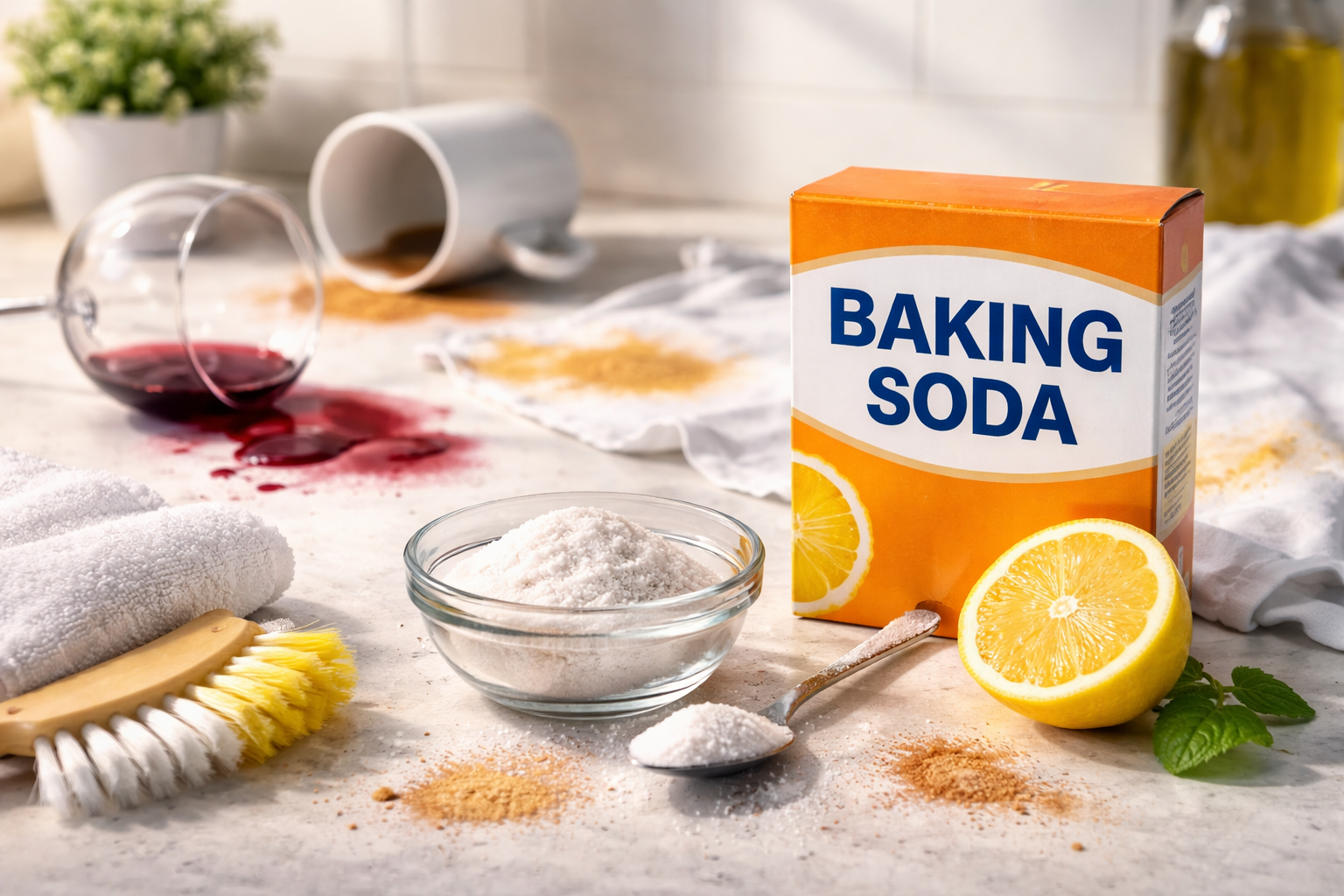
How to remove stains using baking soda… Did you know that you can tackle everyday stains using a common kitchen staple instead of harsh chemicals? That’s right! Baking soda, a versatile and eco-friendly powerhouse, can transform your cleaning routine. Whether it’s greasy fingerprints on your walls or stubborn coffee spills on your favorite shirt, this humble ingredient is ready to work its magic. In this guide, we’ll unlock the secrets to removing stains effortlessly, leaving your surfaces and fabrics fresh and spotless. Say goodbye to pricey cleaners and hello to the natural cleaning prowess of baking soda!
How to Remove Stains Using Baking SodaStains can be a nightmare, whether they appear on your favorite shirt, your carpet, or even your kitchen counters. Luckily, baking soda is a versatile and eco-friendly solution that can tackle a wide range of stains. In this blog post, we’ll explore the magic of baking soda in stain removal and provide you with easy-to-follow methods to keep your belongings looking fresh and clean.
Why Baking Soda?Baking soda, or sodium bicarbonate, is a natural abrasive and deodorizer. Here are some fun facts about this incredible substance:
Baking soda works effectively on stains due to its alkaline properties. When mixed with water or vinegar, it creates a mild abrasive paste that can lift stains from various surfaces. Here’s how to use it for different types of stains:
Types of Stains and How to Treat Them| Stain Type | Baking Soda Method | |
| Grease | Mix baking soda with dish soap to create a paste. Apply, scrub gently, and rinse. | |
| Coffee | Combine baking soda with water to form a thick paste. Apply to the stain, let it sit for 15 minutes, then rinse. | |
| Red Wine | Sprinkle baking soda directly on the stain, let it absorb for 10-15 minutes, then brush off and wash. | |
| Ink | Mix baking soda with a few drops of water, apply to the stain, and blot with a clean cloth. | |
| Sweat | Create a paste of baking soda and water, apply to the underarm area, let sit for at least 30 minutes, then wash normally. |
1. Identify the Stain: Knowing what type of stain you are dealing with will help you select the best method.
2. Prepare Your Baking Soda Paste: Most stains can be treated with a simple paste made from baking soda and water (1:2 ratio of baking soda to water).
3. Apply the Paste: Use a soft cloth or sponge to apply the paste to the stained area. For tougher stains, you may want to scrub gently with a soft-bristled brush.
4. Let It Sit: Allow the baking soda paste to sit on the stain for at least 15 minutes. This gives it time to break down the stain.
5. Rinse or Wash: Depending on the surface, rinse with warm water or throw the fabric in the wash as usual. For carpets, blot with a clean cloth to lift away the baking soda.
6. Repeat if Necessary: Some stubborn stains may require a second application.
Tips and Tricks for Best ResultsBaking soda is a fantastic, eco-friendly alternative to commercial stain removers. Its versatility allows you to tackle a variety of stains in your home without harsh chemicals. With a little patience and the right technique, you can keep your fabrics and surfaces looking pristine. So next time a stain strikes, don’t reach for the chemical-laden cleaners-grab that box of baking soda and let its magic work for you! Happy cleaning!
In conclusion, baking soda is a powerful and versatile solution for tackling a variety of stains around your home. Its natural properties not only help lift stains effectively but also keep your surfaces safe from harsh chemicals. Whether you’re dealing with stubborn food stains, grease, or even odors, a simple paste of baking soda and water can work wonders. Have you tried using baking soda for any tough stains? Share your experiences and tips in the comments below!
Why Baking Soda Works So Well on Everyday Stains
Learning how to remove stains using baking soda can save money, reduce exposure to harsh chemicals, and make everyday cleaning much easier. Baking soda is one of the most useful household ingredients because it does more than simply scrub a surface. It helps absorb odors, loosen grime, lift residue, and balance acidic messes that would otherwise sink deeper into fabric or cling to hard surfaces.
One of the biggest advantages of baking soda is that it is gentle compared to many chemical stain removers. That makes it useful for homes where people want safer cleaning options around children, pets, and frequently touched surfaces. It is also versatile enough to be used on clothing, upholstery, carpets, sinks, tile, cutting boards, and even food storage containers that hold onto stains and smells.
Another reason baking soda is so effective is that it can be used in multiple forms depending on the stain. Sometimes a dry sprinkle is enough to absorb a fresh spill. Other times, a paste made with water helps break down a deeper stain. In greasy situations, baking soda can be combined with dish soap. For odor-heavy messes, it can be left in place longer to absorb both the stain and the smell.
Understanding the Different Types of Stains
Before choosing a method, it helps to understand what kind of stain you are dealing with. Not all stains behave the same way. Grease stains usually need absorption and degreasing power. Coffee and tea stains often respond well to quick blotting and a gentle lifting paste. Protein-based stains such as sweat or food may need a little more soaking time. Surface stains on countertops or walls may require light scrubbing rather than soaking.
This is important because using the wrong technique can make a stain harder to remove. Rubbing too hard can spread a stain deeper into fabric. Applying heat too early can set a stain permanently. Using too much water on upholstery can leave a ring or cause slow drying. Baking soda works best when you match the method to the material and the stain type.
In general, the faster you treat a stain, the better your results will be. Fresh stains are easier to lift because they have not had as much time to bond with fibers or surfaces. Even when a stain is older, however, baking soda can still be surprisingly helpful if used patiently and correctly.
How to Remove Stains Using Baking Soda with 15 Easy Methods
1. Use a Baking Soda Paste for Basic Fabric Stains
The most common way to remove stains using baking soda is by making a simple paste. Mix baking soda with a small amount of water until it forms a spreadable consistency. Apply the paste directly to the stained area and let it sit for at least 15 to 30 minutes before gently scrubbing or rinsing.
This basic method works well for light stains on shirts, socks, pillowcases, and washable fabrics. It is especially useful when you do not want to use a strong commercial stain remover right away. For best results, blot the stain first if it is still wet, then apply the paste without rubbing too aggressively.
2. Remove Grease Stains with Baking Soda and Dish Soap
Grease is one of the most frustrating household stains because it spreads easily and clings to fabric and surfaces. Baking soda helps absorb the oil, while dish soap helps break it down. Start by blotting away any excess grease, then sprinkle baking soda over the area and let it sit for 10 to 15 minutes. After that, add a drop or two of dish soap and gently work it into the stain.
This method is especially effective for food splatters on shirts, oily stains on table linens, and greasy marks on stovetops or counters. Let the mixture sit briefly before wiping or washing. If needed, repeat once before drying the item fully.
3. Lift Coffee and Tea Stains from Fabric
Coffee and tea stains can darken quickly, especially on light fabrics. To treat them, blot the spill first with a clean cloth. Then apply a thick paste of baking soda and water directly over the stained area. Let it sit for 15 to 20 minutes before rinsing with cool or lukewarm water.
This method works best when the stain is fresh, but older stains may also fade with repeated treatment. If the stain remains after the first attempt, apply a second layer and let it sit longer before washing the fabric normally.
4. Remove Red Wine Stains with Dry Baking Soda First
Red wine stains spread fast and can become stubborn if left untreated. One helpful trick is to blot the spill immediately, then cover the damp stain with a generous layer of dry baking soda. The powder helps absorb moisture and pigment before they sink deeper into the fabric.
After letting it sit for 20 to 30 minutes, shake or brush away the powder and inspect the area. If color remains, follow up with a baking soda paste. This two-step method can be useful on tablecloths, fabric napkins, and some upholstery fabrics after spot testing.
5. Treat Sweat and Deodorant Marks on Clothing
Underarm stains are often caused by a mix of sweat, deodorant residue, and body oils. Baking soda is especially useful here because it can help with both staining and odor. Mix baking soda with water to form a paste, then work it into the underarm area of the shirt. Let it sit for at least 30 minutes before washing.
For older yellowish stains, allow the paste to remain a bit longer and use a soft brush to work it in gently. This method is often effective on white and light-colored shirts, though it is always smart to test delicate fabrics first.
6. Freshen and Clean Carpet Stains
Carpet stains often come with odors, which makes baking soda a strong option. First blot the stain to remove as much liquid as possible. Then apply a small amount of baking soda paste to the area or sprinkle dry baking soda over a slightly damp stain. Let it sit before blotting again with a clean cloth.
For odor-heavy carpet spots, leave dry baking soda on the area for a few hours before vacuuming. This will not solve every deep carpet stain, but it can noticeably improve minor spills and help reduce lingering smells at the same time.
7. Remove Stains from Upholstery Carefully
Upholstery requires a little extra caution because too much moisture can leave water marks or take a long time to dry. To use baking soda safely, start by blotting the stain. Then apply either a very light paste or a dry sprinkle, depending on the type of stain. Let it sit briefly, then blot again with a barely damp cloth.
This method can help with light food stains, surface marks, and mild odors on couches and chairs. Always test on an inconspicuous area first, especially if the upholstery is delicate or textured.
8. Clean Mug and Cup Stains
Tea and coffee cups often develop brown rings that regular washing does not fully remove. Baking soda works well here because it acts as a gentle abrasive. Sprinkle a little baking soda into the mug, add a few drops of water to form a light paste, and scrub with a sponge or cloth.
This is one of the easiest examples of how to remove stains using baking soda because the results are often immediate. It is also useful for stained travel mugs and reusable water bottles, provided the material can handle light scrubbing.
9. Brighten Sink and Countertop Stains
Kitchen and bathroom surfaces often collect stains from food, toothpaste, soap, and hard water. Baking soda paste can be spread across the stained area and scrubbed gently with a sponge. Because it is mildly abrasive, it helps lift discoloration without the strong fumes of chemical cleaners.
This method works well on many sinks, laminate counters, and tile surfaces. Avoid using rough scrubbing on delicate stone unless you are sure the surface can handle it. In many cases, a soft cloth and patience are enough.
10. Remove Refrigerator and Food Container Stains
Plastic food containers often trap both stains and odors from tomato sauce, curry, berries, and leftovers. Baking soda can help with both problems. Make a paste and apply it inside the container, then let it sit before rinsing and washing normally.
For refrigerators, sprinkle baking soda on a damp sponge and use it to wipe stained shelves or bins. This can help remove residue without leaving strong chemical smells near food storage areas.
11. Clean Wall Marks and Fingerprints
Walls often collect fingerprints, scuffs, and mystery marks, especially in homes with children. A tiny amount of baking soda on a damp cloth can help gently lift these marks. Rub lightly and avoid soaking the wall.
This technique is especially useful for painted surfaces with washable finishes, but always test first because some paints can dull or mark if scrubbed too hard. Gentle pressure is the key.
12. Remove Food Stains from Cutting Boards
Wooden and plastic cutting boards can become stained by berries, turmeric, beets, and sauces. Sprinkle baking soda over the board, add a little water, and scrub with a sponge or brush. This can help reduce discoloration and also freshen the board.
For boards with stronger odors, let the baking soda sit for a few minutes before scrubbing. It is a simple way to keep kitchen tools looking cleaner between deeper washes.
13. Deodorize and Lift Mattress Stains
Mattresses can develop light stains from sweat, spills, and everyday use. Baking soda is often used first for odor removal, but it can also help with mild surface staining. Sprinkle it generously over the affected area, let it sit for several hours, then vacuum thoroughly.
For specific small stains, a very light paste can be dabbed on carefully and blotted away after sitting briefly. Because mattresses are slow to dry, avoid oversaturating the fabric.
14. Refresh Sneaker and Shoe Stains
White soles, fabric shoes, and the inside of sneakers can all benefit from baking soda. For surface scuffs, use a paste and scrub gently with an old toothbrush. For odor and light interior discoloration, sprinkle dry baking soda inside the shoes and leave it overnight before shaking it out.
This method is simple, inexpensive, and especially useful for canvas shoes and casual sneakers that pick up daily grime quickly.
15. Use Baking Soda as a Pre-Treatment Before Washing
One of the best ways to remove stains using baking soda is to use it before laundering clothes. Apply a baking soda paste to the stained area and let it sit before washing the item as usual. This gives the stain a head start before it goes into the machine.
For lightly stained laundry, some people also add a small amount of baking soda to the wash to help with freshness and odor control. While this is not a replacement for detergent, it can support cleaner results in some cases.
How to Remove Stains Using Baking Soda on Clothes Without Damaging Fabric
Clothing stains are one of the most common reasons people reach for baking soda, but it is still important to be careful. Delicate fabrics such as silk, wool, and embellished garments may not respond well to scrubbing or soaking. On these items, always test a tiny hidden area first and use the mildest possible method.
For everyday cotton, polyester, and blends, baking soda is usually much easier to work with. The main rule is to blot first, treat gently, and avoid using heat until the stain is truly gone. Drying stained clothing too soon can set the mark and make it much harder to remove later.
It also helps to be patient. Some stains fade in stages rather than disappearing in one try. A second or third treatment is often more effective than one harsh attempt that damages the material.
Dry Method vs Paste Method
Knowing when to use dry baking soda and when to use a paste can make a big difference. Dry baking soda is best when the stain is fresh, damp, oily, or smelly. It helps absorb moisture and odor without pushing the stain deeper. This makes it ideal for spills like wine, grease, and fresh carpet accidents.
A paste is more useful when the stain is already set on the surface and needs lifting power. The paste gives you a little scrubbing action and allows the baking soda to stay in place longer. This works well for mugs, countertops, sweat stains, and many washable fabric spots.
If you are unsure which to choose, think about whether the stain needs absorbing or scrubbing. That will usually point you in the right direction.
Best Surfaces for Baking Soda Stain Removal
Baking soda is especially good on washable fabrics, ceramic mugs, sinks, many counters, tile, cutting boards, shoes, and plastic containers. It can also be helpful on carpets and upholstery when used gently and sparingly. On these surfaces, its mild abrasiveness and odor-neutralizing ability make it a dependable household cleaner.
It is less ideal for very delicate fabrics, highly polished surfaces, untreated wood, or certain natural stones that may scratch or react poorly to repeated abrasion. This does not mean baking soda is dangerous by default, but it does mean that spot testing is always wise.
When in doubt, start gently. A softer cloth, less pressure, and a smaller amount of product often produce safer results than aggressive scrubbing.
Common Mistakes That Make Stains Harder to Remove
One of the most common mistakes is rubbing a stain immediately instead of blotting it first. Rubbing spreads the stain and pushes it deeper into fibers. Another mistake is using too much water on surfaces like upholstery and mattresses, which can create drying problems and leave new marks behind.
People also make the mistake of giving up too quickly. Baking soda is effective, but it is not always instant. Some stains need time to loosen. Letting the paste sit properly often matters more than scrubbing harder. Another mistake is drying fabric before checking whether the stain is truly gone. Heat can lock it in permanently.
Using baking soda on every surface without testing is another avoidable error. Even gentle cleaners should be tested first, especially on valuable or delicate items.
When to Combine Baking Soda with Other Household Ingredients
Baking soda works well alone, but sometimes it performs even better when paired with the right partner. Dish soap is useful for greasy stains. A small amount of water helps create a workable paste. Vinegar is sometimes used in separate cleaning steps, especially for odor control or residue lifting on hard surfaces, though it should be used thoughtfully because the fizzing action can be messy if overdone.
Lemon juice is another ingredient some people use for certain surface stains, especially when brightness and fresh scent are desired. However, not every combination is right for every material, so fabric and surface sensitivity should always be considered first.
The safest habit is to start simple with baking soda alone, then add another ingredient only if the stain clearly needs more help.
How to Build a Natural Stain Removal Routine
One of the easiest ways to get better results is to treat stains quickly and consistently. Keep a box of baking soda somewhere easy to reach, such as the laundry area, kitchen, or cleaning cabinet. The faster you act, the better your chances of removing the stain completely.
It also helps to keep a few basic tools nearby, such as soft cloths, a small brush, a sponge, and an old toothbrush for detail cleaning. These make it easier to apply baking soda in the right way without damaging fabric or surfaces.
Over time, using baking soda regularly can simplify your cleaning routine. Instead of buying many specialty products, you can rely on one inexpensive ingredient for dozens of everyday stain and odor problems.
Why Baking Soda Is a Good Long-Term Cleaning Choice
Many stain removers work well once but leave behind strong fragrances, chemical residue, or unnecessary cost. Baking soda offers a simpler long-term option. It is affordable, easy to store, and useful in many rooms of the house. Because it has so many applications, it rarely goes to waste.
It also supports a more low-toxicity cleaning routine. For households that want fewer harsh chemicals, baking soda is one of the easiest swaps to make. It will not replace every specialized cleaner, but it covers a surprising range of basic stain and odor problems effectively.
That balance of simplicity, safety, and usefulness is why it remains such a trusted household staple.
Final Thoughts
Learning how to remove stains using baking soda gives you a practical, affordable, and eco-friendly way to handle many of the most common messes at home. From coffee on fabric and grease on kitchen surfaces to odors in shoes and stains in mugs, baking soda offers flexible cleaning power without relying on harsh chemicals.
The secret is choosing the right method for the right stain. Sometimes a dry sprinkle is enough to absorb and freshen. Sometimes a gentle paste works best to lift and scrub. With a little patience and the right technique, baking soda can help restore clothes, carpets, containers, counters, and many other everyday surfaces.
Next time a stain appears, you do not need to panic or reach immediately for an expensive cleaner. In many cases, a simple box of baking soda is more than enough to get the job done naturally and effectively.