

How to Sharpen Knives Without a Sharpener: 15 Clever Methods That Actually Work
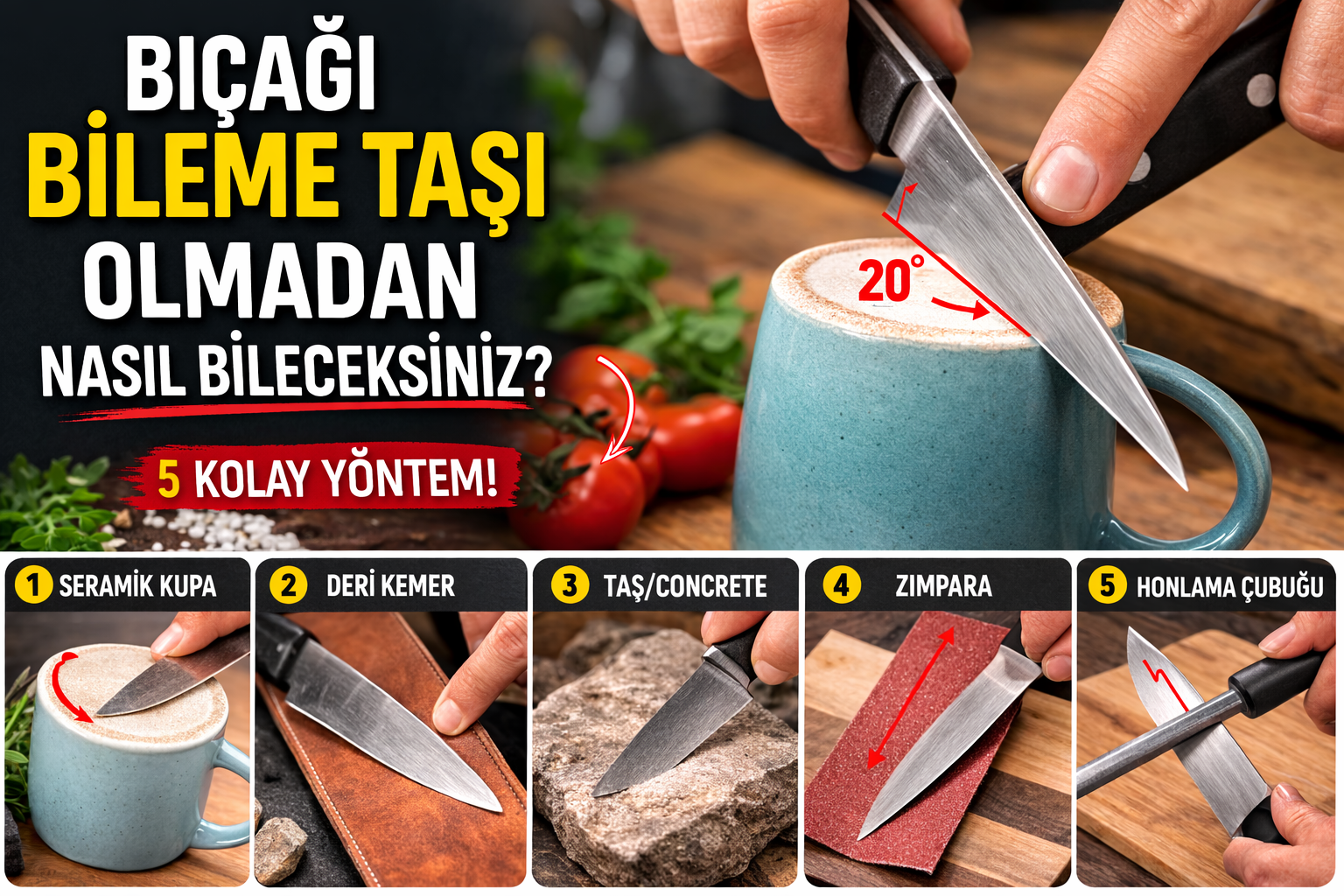
How to Sharpen Knives Without a Sharpener… Did you know that most households have at least one dull knife lurking in the kitchen, making meal prep a frustrating chore? What if I told you that you can restore its cutting edge without a traditional sharpener? Whether you’re stranded in the great outdoors or just want to avoid the clutter of another kitchen gadget, there are ingenious methods to sharpen your knives using everyday items. Get ready to discover the art of knife sharpening through unconventional means, ensuring your blades are always ready for action, no matter where you are!
How to Sharpen Knives Without a SharpenerSharpening knives is an essential skill for any home cook or outdoor enthusiast. While a dedicated knife sharpener can make this task easier, it’s not the only way to achieve a razor-sharp edge. In this post, we will explore several creative methods to sharpen your knives without a conventional sharpener. Get ready to turn your dull blades into precision cutting tools, all while having a little fun along the way!
Why Sharpen Your Knives?Before we dive into the methods, let’s discuss why it’s important to keep your knives sharp:
Here are some unconventional yet effective methods to sharpen your knives without a traditional sharpener:
#
1. The Mug or Plate MethodUsing the unglazed bottom of a ceramic mug or plate can be an effective way to sharpen your knife.
#
2. The Steel or Rod MethodIf you have a honing steel or a metal rod, you can use it to realign the edge of your knife.
#
3. The Leather Belt MethodA leather belt can serve as a great makeshift strop for honing your knife’s edge.
#
4. The Stone or Concrete MethodIn a pinch, you can use a flat stone or even concrete to sharpen your knife.
Here’s a quick comparison of the different methods to help you choose the best one for your situation:
| Method | Effectiveness | Equipment Needed | Ideal For | |
| Mug/Plate | Moderate | Ceramic mug/plate | Quick touch-ups | |
| Steel/Rod | High | Honing steel/rod | Regular maintenance | |
| Leather Belt | Moderate | Leather belt | Final polishing | |
| Stone/Concrete | Low to Moderate | Flat stone/concrete | Emergency sharpening |
Sharpening knives without a sharpener can be a fun and useful skill to have. Whether you’re in a kitchen, on a camping trip, or just need to touch up your favorite blade, these methods will help you maintain your knives effectively. Remember, a sharp knife is not only a tool but also a partner in your culinary adventures. So, gather your materials and start sharpening-your knives (and your cooking) will thank you! Happy slicing!
In conclusion, sharpening knives without a traditional sharpener is not only possible but can be achieved using everyday household items such as ceramic mugs, honing rods, or even sandpaper. These methods can effectively restore the edge of your blades, ensuring they remain functional and safe for use. Have you ever tried sharpening your knives using unconventional methods? Share your experiences or tips in the comments below!
Why Knowing How to Sharpen Knives Without a Sharpener Matters
Learning How to Sharpen Knives Without a Sharpener is one of those practical skills that seems small until you really need it. A dull knife turns simple kitchen prep into a frustrating, slow, and sometimes dangerous task. It crushes tomatoes instead of slicing them, slips on onions instead of gliding through them, and forces you to use more pressure than you should. That extra pressure is exactly what increases the risk of losing control of the blade.
What makes this skill especially useful is that it works in more than one setting. At home, it helps you restore a blade without buying another gadget. Outdoors, it gives you emergency options if you are camping, traveling, or cooking away from your normal tools. It also helps you understand knife edges better. Once you know how an edge is maintained, you become less dependent on special equipment and more confident using simple materials already around you.
The good news is that many everyday objects can help improve a knife edge when used carefully. Some methods sharpen by grinding a new edge, while others realign or polish the existing edge. Both matter. In fact, some knives feel dull not because the edge is fully gone, but because it has bent slightly and needs to be straightened.
The Difference Between Sharpening and Honing
Before getting into methods, it helps to understand an important distinction. Honing and sharpening are not exactly the same thing. Honing realigns the very thin edge of the blade. Over time, a knife edge bends microscopically from normal use. A honing rod or leather strop can help straighten that edge so it cuts better again.
Sharpening, on the other hand, removes a small amount of metal to create a new edge. This is what happens when you use ceramic, stone, or another abrasive surface. If your knife is truly dull, honing alone may not be enough. If it is only slightly tired, honing may bring it back surprisingly well.
Understanding this difference helps you choose the right method. Some household techniques are better for actual sharpening, while others are better for finishing or maintaining the edge after sharpening.
How to Sharpen Knives Without a Sharpener: 15 Clever Methods That Actually Work
1. Use the Unglazed Bottom of a Ceramic Mug
One of the most popular methods is using the rough, unglazed ring on the bottom of a ceramic mug. Turn the mug upside down and place it on a stable surface. Hold the knife at roughly a 15 to 20 degree angle and draw the blade across the rough ceramic as if you were slicing a thin layer off it.
Repeat several passes on one side, then the other. This works because the unglazed ceramic acts like a fine abrasive surface. It is one of the best household substitutes for a basic sharpening stone and is especially useful for kitchen knives that need a moderate touch-up.
2. Use the Bottom of a Ceramic Plate or Bowl
If you do not have a suitable mug, the unglazed underside of a ceramic plate or bowl can work the same way. Many ceramic dishes have a rough ring on the base where glaze is absent. That rough edge can help grind the blade lightly and restore some bite to a dull edge.
This method is practical because plates and bowls often provide a slightly larger working surface than a mug. Just make sure the dish is steady and strong enough not to slip while you work.
3. Use a Honing Rod if You Have One
A honing rod is not a sharpener in the full abrasive sense, but it can make a dull-feeling knife cut better if the edge is only rolled and not fully worn away. Hold the rod vertically or at a stable angle, then draw the blade downward along it at a consistent angle on each side.
This is ideal for regular maintenance between actual sharpening sessions. Many people think their knives are dull when they really just need the edge straightened. In that case, honing can help quickly.
4. Strop the Blade on a Leather Belt
A leather belt can act as a strop, which is used to refine and polish an edge after sharpening. Lay the belt flat or hold it securely, then drag the blade spine-first along the leather. Do not cut into the belt. The edge should trail behind, not lead forward.
This method is excellent for removing a tiny burr and smoothing the edge after using ceramic or stone. It does not usually replace sharpening for a very dull knife, but it can noticeably improve sharpness and cutting smoothness.
5. Use Cardboard as a Light Strop
In a pinch, sturdy cardboard can work as a basic stropping surface. It is not as effective as leather, but it can still help refine a lightly sharpened edge. Use the same trailing motion you would use on leather, moving the blade away from the edge rather than into the material.
This is a useful trick when you want a quick finishing step with something very easy to find at home.
6. Use a Flat Stone
A smooth, flat stone can sometimes work for emergency sharpening if it has a fine enough texture. The key is choosing a surface that is hard and relatively even, not a jagged rock that will damage the edge. Wetting the stone slightly can help reduce friction and improve consistency.
This method is more of an emergency or outdoor option, but with care it can restore some sharpness when proper tools are unavailable.
7. Use a Brick or Concrete Edge in an Emergency
Concrete, brick, or a similar rough mineral surface can be used in a true emergency, though it is much harsher than ceramic. This means it can remove metal fast and leave a rough edge if used carelessly. If you try this, choose the smoothest section available and use light pressure.
This is not ideal for fine kitchen knives, but it can help with utility blades or outdoor knives when no better option exists. The edge should usually be finished afterward with a finer surface if possible.
8. Use Fine Sandpaper on a Flat Surface
If you have fine-grit sandpaper, you can tape it to a flat board, countertop-safe block, or other stable surface and use it like a sharpening surface. This is one of the more controlled no-sharpener methods because you can choose how coarse or fine the abrasive is.
Finer grits are better for refining, while slightly coarser grits can help restore a duller edge. It is a surprisingly effective DIY solution when used carefully and evenly.
9. Use a Nail File Carefully
A metal nail file or emery board can sometimes help with very small blades or minor edge touch-ups. This is not a full sharpening solution for chef’s knives, but for small paring knives or pocket tools it can work in a limited way.
Because the surface area is small, patience matters. Light, consistent strokes are more useful than aggressive scraping.
10. Use Another Knife Spine for Emergency Honing
In some situations, the spine of another harder knife can be used to realign a rolled edge very lightly. This is more of a field trick than a preferred home method, and it requires a steady hand and caution. It does not truly sharpen much, but it can sometimes improve cutting performance slightly if the edge only needs quick straightening.
This is best reserved for people who understand blade angles well, since it is easier to do poorly than well.
11. Use Glass with a Frosted or Textured Edge
Some thick glass items with a textured or frosted unpolished edge can function similarly to ceramic in an emergency. This is not as dependable as a mug base, but it can help if the surface has enough fine abrasive texture.
Extreme care is needed here because glass can be slippery and fragile. Stability matters far more than improvisation if safety is a concern.
12. Use a Slate Tile or Unglazed Tile Back
Unglazed tile, including some slate or ceramic tile backs, can provide an abrasive surface similar to the bottom of a mug. If you have spare tile pieces at home, they can be surprisingly useful for sharpening.
This method works best when the tile is flat, secure, and fine enough not to chip the blade. It is another good substitute when you want something larger than a mug base.
13. Use a River Stone for Field Use
Outdoors, a smooth river stone may be better than a random rough rock because years of water movement often create a flatter and more even surface. It will not be perfect, but for field sharpening it can be enough to improve a working edge.
Again, this is mainly an emergency or bushcraft method rather than a precision kitchen technique. But knowing it can be useful in the right situation.
14. Finish on Leather, Denim, or Thick Fabric
After using a rougher sharpening method, finishing the blade on leather, denim, or another thick fabric can help clean up the edge. Like stropping, this is done with the blade trailing rather than cutting into the fabric.
Denim jeans or thick canvas can work in a pinch if leather is unavailable. This step often helps the knife feel smoother and more refined after sharpening.
15. Use Consistent Angle and Pressure Above All Else
The most important “method” is really the technique itself. No matter what object you use, success depends on keeping a consistent angle, using even strokes, and avoiding excessive pressure. A great sharpening substitute used badly will still produce a poor edge. A modest substitute used carefully can produce surprisingly good results.
For most kitchen knives, a 15 to 20 degree angle is a useful general target. Try to match that angle on both sides as evenly as possible.
How to Sharpen Knives Without a Sharpener Safely
Safety matters just as much as sharpness. Always work on a stable surface, keep your fingers clear of the blade path, and move slowly. A knife that slips during sharpening can cut you just as easily as a knife used in cooking. If the improvised sharpening surface is unstable, stop and secure it properly before continuing.
It is also wise to sharpen away from yourself whenever possible. Rushing is one of the biggest reasons people get hurt during maintenance tasks. Controlled strokes are more effective and much safer than fast, forceful ones.
After sharpening, wipe the knife carefully to remove any tiny metal filings or ceramic dust before using it on food.
Best Household Items for Different Situations
If you want the easiest everyday home method, a ceramic mug or plate is often the best choice because it is common, accessible, and effective. If you want a finishing step, a leather belt works extremely well. For emergency situations, flat stone, concrete, or sandpaper can help when nothing else is available.
For small touch-ups, a honing rod or strop may be enough. For a truly dull blade, you usually need a more abrasive option first, followed by a polishing step. Combining methods often gives the best result. For example, ceramic first, leather second works very well for many household knives.
How to Tell If Your Knife Is Actually Getting Sharper
After sharpening, test the blade carefully rather than assuming it improved. One common test is slicing paper. A sharper knife should move through it more cleanly and with less tearing. Another simple kitchen test is whether the blade can slice a tomato skin or onion surface more easily than before without slipping.
You do not need a razor blade finish for most kitchen use. A practical, consistent edge that cuts predictably is usually the goal. Even a moderate improvement can make a big difference in safety and efficiency.
Common Mistakes People Make
One common mistake is using too much pressure. Sharpening is about control, not force. Another is changing the angle constantly during each stroke, which produces an uneven edge. People also often sharpen one side much more than the other, creating imbalance.
Another big mistake is expecting a stropping method, like a belt, to fully sharpen a severely dull knife. Stropping refines. It does not replace all sharpening. Likewise, using very rough surfaces without any finishing step can leave the knife toothy and irregular.
Many people also forget to clean the blade after sharpening, which is especially important when using ceramic, concrete, or sandpaper.
How Often You Should Sharpen
That depends on how often the knife is used and what it is used for. A home cook who uses one chef’s knife daily may need regular honing and occasional sharpening. A lightly used knife may go much longer between full sharpening sessions. Outdoor or utility knives may dull faster if used on tougher materials.
The best approach is maintenance rather than waiting until the knife becomes frustratingly dull. Light touch-ups are easier and better for the blade than long periods of neglect followed by aggressive sharpening.
How to Keep Knives Sharper Longer
Sharpening is only part of knife care. To keep the edge longer, use proper cutting surfaces like wood or plastic instead of glass, stone, or metal. Hand wash knives rather than throwing them into a dishwasher where the edge can bang against other items. Store them in a block, on a magnetic strip, or with blade protection rather than loose in a drawer.
Using the right knife for the right job matters too. Twisting a knife through hard materials or using it like a pry tool will dull or damage it much faster than normal slicing work.
Why a Sharp Knife Is Safer Than a Dull One
People sometimes fear sharpening because they think a sharper knife is automatically more dangerous. In reality, dull knives often cause more accidents because they require more pressure and are more likely to slip. A sharp knife bites into food predictably and gives you more control.
That is why learning How to Sharpen Knives Without a Sharpener is not just about convenience. It is also about safer cooking and more confident handling.
When It Might Be Time for a Proper Stone Anyway
Improvised methods are extremely useful, but if you sharpen often or care deeply about knife performance, a proper sharpening stone is still worth having someday. A real stone offers more control, consistency, and edge quality than most household substitutes. Still, that does not take away the value of knowing how to sharpen without one.
In fact, understanding improvised sharpening often makes you better with dedicated tools later because you learn to respect angles, pressure, and edge behavior instead of relying only on the gadget.
Final Thoughts
Learning How to Sharpen Knives Without a Sharpener gives you a practical skill that works in the kitchen, outdoors, and in unexpected situations. Whether you use the bottom of a ceramic mug, a leather belt, fine sandpaper, a flat stone, or another household substitute, the real secret is technique. A steady angle, light pressure, and patience matter more than fancy equipment.
The best results often come from using a slightly abrasive surface to restore the edge and then a smoother surface to refine it. That means a mug followed by leather, or sandpaper followed by denim, can work surprisingly well. With a little practice, even simple household items can bring a dull blade back to life.
A sharper knife makes cooking easier, safer, and more enjoyable. And knowing how to restore that edge without special tools is one of those useful skills that keeps paying off every time you step into the kitchen.