

How to Stop a Squeaky Door Without Oil: 15 Easy Fixes for Silent, Smooth Hinges
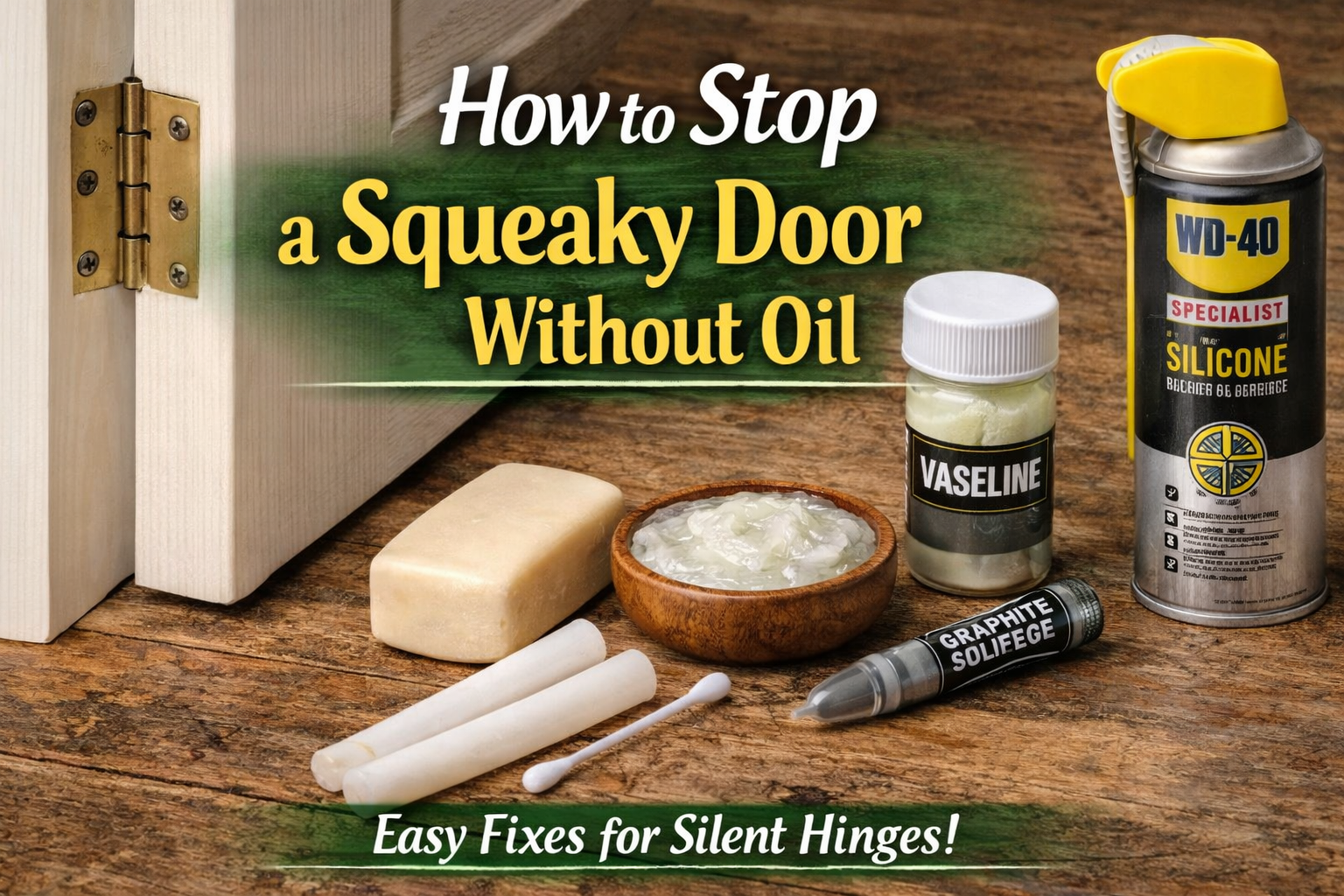
How to Stop a Squeaky Door Without Oil… Did you know that the average person spends nearly two weeks of their life listening to squeaky doors? That persistent creak can drive anyone up the wall, but what if you discovered that you could silence it without a drop of oil? Whether it’s an old wooden door or a modern metal one, there are surprising household items and clever techniques that can eliminate the noise. Say goodbye to the irritating squeaks and hello to peace and quiet-read on to uncover the secrets of a silent door!
How to Stop a Squeaky Door Without OilSqueaky doors can be more than just an annoyance; they can disrupt the peaceful atmosphere of your home. While oil is a common solution for squeaks, there are several alternatives you can explore. In this post, we’ll dive into various methods to quiet those pesky squeaks without the use of oil, ensuring your doors operate smoothly and silently.
Why Do Doors Squeak?Before we get into the solutions, let’s understand why doors squeak in the first place. Here are some common reasons:
Now that we’ve covered the basics, let’s explore some effective alternatives to oil for quieting those squeaky doors.
Alternative Solutions to Stop Squeaky DoorsHere are some innovative methods to silence your squeaky door:
1. Use SoapA bar of soap can be surprisingly effective in stopping a door from squeaking. Simply rub the soap directly onto the hinges.
If you have a can of WD-40 Specialist Silicone, this can work wonders for squeaky hinges. It’s a silicone-based product that provides lubrication without the mess of traditional oil.
Vaseline or petroleum jelly can effectively reduce squeaking. Apply a small amount to the hinges and work it in.
Graphite powder is a great dry lubricant. It’s especially useful in situations where you want to avoid oil altogether.
In a pinch, vegetable oil can be used as a substitute for traditional oil. However, it may not be as effective and can spoil over time.
| Solution | Pros | Cons | |
| Soap | Easy, non-toxic, available | Needs reapplication | |
| WD-40 Specialist Silicone | Long-lasting, water-resistant, prevents rust | More costly than regular oil | |
| Vaseline | Lasts longer due to thick consistency | Attracts dust if not cleaned | |
| Graphite Powder | Doesn’t attract dust, long-lasting | Can be messy | |
| Vegetable Oil | Readily available | Can spoil and attract dirt |
Here’s a simple guide to applying these solutions:
1. Identify the Squeaky Area: Open and close the door to locate where the squeak is coming from.
2. Clean the Hinges: Wipe away any dirt or dust with a cloth.
3. Apply Your Chosen Solution: Depending on which method you choose, apply the soap, WD-40 silicone, Vaseline, or graphite powder directly onto the hinges.
4. Work It In: Move the door back and forth to help distribute the product evenly.
5. Wipe Off Excess: Clean up any excess product to prevent attracting more dirt.
Squeaky doors don’t have to be a permanent fixture in your home. By using these alternative solutions, you can effectively silence those annoying sounds without the need for oil. Whether you opt for something as simple as soap or a more specialized product like graphite powder, keeping your doors quiet is easier than you might think. So go ahead, give these methods a try, and enjoy the sweet sound of silence in your home!
In conclusion, stopping a squeaky door without oil can be easily achieved using alternatives like soap, wax, or even petroleum jelly to lubricate the hinges. These methods not only eliminate the annoying squeak but also provide a grease-free solution that won’t attract dirt. Have you tried any of these techniques, or do you have other creative solutions for silencing squeaky doors? We’d love to hear your thoughts in the comments!
Why Door Hinges Start Squeaking in the First Place
Learning How to Stop a Squeaky Door Without Oil becomes much easier when you understand what is actually causing the sound. A squeak usually happens when metal parts inside the hinge rub against each other without enough smooth movement between them. Over time, dust, tiny rust spots, moisture changes, paint buildup, or slight hinge misalignment can all make that friction worse. The result is that high-pitched creak you hear every time the door opens or closes.
In many homes, the squeak is not caused by one dramatic problem. It is usually the result of gradual wear combined with dirt and dryness. Hinges on bathroom doors, bedroom doors, entry doors, closet doors, and even cabinet doors can all develop the same issue. Temperature changes, humidity, and frequent use only make the sound more noticeable over time.
The good news is that you do not always need traditional oil to solve it. In fact, there are several simple alternatives that work surprisingly well. Some reduce friction, some help clean out buildup, and some create a dry barrier that allows the hinge to move more quietly without leaving behind a greasy mess.
Why Some People Prefer Not to Use Oil
Traditional oil works, but it is not always the ideal solution for every home or every person. Oil can drip, stain nearby wood or paint, attract dust, and create a sticky surface if too much is applied. On doors that are already collecting dirt around the hinges, oil can sometimes turn a small maintenance issue into a grimy one.
That is why so many people look for alternatives. Dry or semi-dry solutions such as soap, wax, graphite, or silicone-based products can often reduce noise without creating the same level of mess. Some options are also easier to apply with household materials you already have, which makes them perfect for quick fixes when a squeak suddenly becomes impossible to ignore.
If your goal is a simple, clean, low-drip solution, then learning how to fix the squeak without oil makes a lot of sense.
How to Stop a Squeaky Door Without Oil: 15 Easy Fixes That Actually Help
1. Rub Bar Soap on the Hinge Pin
Bar soap is one of the easiest household alternatives to oil. If you can partially remove the hinge pin or expose enough of it, rubbing a dry bar of soap across the metal can create a smoother surface and reduce friction. Once the soap is applied, open and close the door several times so the product works into the hinge.
This method is simple, inexpensive, and surprisingly effective for light squeaks. It is especially useful if you want a fast fix without using a liquid product. Harder soaps often work better than very soft or creamy ones because they transfer more cleanly onto the metal.
2. Use Petroleum Jelly Carefully
Petroleum jelly is not the same as traditional oil, and because it is thicker, it often stays where you put it instead of dripping immediately. Apply a very small amount to the hinge pin or exposed hinge area using a cotton swab or your fingertip, then move the door back and forth to distribute it.
This can be a good option when you want longer-lasting coverage with less dripping than oil. The key is to use only a small amount. Too much can attract dust and make the hinge area look dirty over time.
3. Apply Graphite Powder as a Dry Lubricant
Graphite powder is a very popular no-oil solution because it works as a dry lubricant. It reduces friction without leaving a wet residue behind, which means it is less likely to attract dirt. This makes it especially useful for indoor doors in dusty areas or in homes where clean finishes matter.
Apply the powder sparingly to the hinge pin or hinge joints, then move the door repeatedly so it spreads inside the mechanism. Graphite can be a bit messy if overused, so controlled application matters.
4. Try Candle Wax or Beeswax
Wax is another excellent non-oil option. Rubbing candle wax or beeswax onto the hinge pin can help the metal parts move more smoothly. If the hinge pin can be removed, coating it lightly in wax before reinserting it often works even better.
This is a great household trick because many people already have candles at home. Beeswax tends to be a little smoother and more durable, but ordinary candle wax can still be very effective for everyday squeaks.
5. Clean the Hinge Thoroughly First
Sometimes the squeak is made worse by dirt rather than dryness alone. Dust, lint, tiny rust particles, and old residue can build up around the hinge and create extra friction. Before applying any treatment, wipe the hinge with a cloth and clean the moving areas as well as you can.
If the hinge looks visibly dirty, this step can make a bigger difference than people expect. A cleaner hinge gives any dry lubricant or household treatment a better chance of working properly.
6. Remove the Hinge Pin and Clean It Separately
For more stubborn squeaks, removing the hinge pin is often the best move. Use a nail, screwdriver, or similar tool to tap the pin upward from the bottom, then pull it out carefully. Once removed, wipe it down thoroughly and inspect it for dirt, rust, or roughness.
Cleaning the pin directly allows you to treat the exact contact surface causing the noise. After cleaning, you can apply soap, wax, graphite, or another non-oil option before reinstalling it. This method usually works much better than treating the hinge from the outside only.
7. Use Silicone-Based Spray Instead of Oil
If you want a ready-made product but still want to avoid oil, a silicone-based lubricant is often a great choice. It is designed to reduce friction while resisting moisture and creating less sticky residue than many traditional oils. It can also be useful on both metal and some mixed-material hinges.
Use it lightly and wipe away any excess after moving the door several times. This is one of the longer-lasting no-oil options, especially for heavily used doors.
8. Tighten Loose Hinge Screws
Not every squeak comes only from dry metal. Sometimes a door squeaks because the hinge is slightly loose and the parts are shifting under weight. Check the hinge screws carefully. If they are loose, tighten them with a screwdriver and test the door again.
This small fix can reduce strain on the hinge and stop squeaks that come from misalignment rather than simple friction. It is one of the most overlooked steps and one of the easiest to try first.
9. Check for Paint Buildup Around the Hinge
Painted doors and frames often develop squeaks because layers of paint build up around the hinge edges or hinge leaf over time. This can create rubbing and resistance that sounds like a hinge problem when the real issue is hardened paint interfering with movement.
If you notice visible paint buildup, gently remove the excess where needed and test the door again. Sometimes the squeak fades dramatically once the hinge can move freely again.
10. Rub a Dry Wax Crayon on the Pin
If you do not have candle wax handy, a plain wax crayon can sometimes work in a similar way. It is not the most elegant method, but it can help reduce friction quickly in a pinch. Use a light-colored or neutral wax if appearance matters, especially on visible hinge areas.
This is a practical household trick for mild squeaks when you need a fast no-oil solution and want to use whatever is already nearby.
11. Use a Cotton Swab for Precision Application
Whatever product you choose, precision matters. A cotton swab allows you to apply soap shavings, petroleum jelly, graphite, or silicone neatly onto the hinge area without smearing it across the door or frame. This makes the repair cleaner and more controlled.
It is a small tip, but it helps a lot, especially when working on painted interior doors or decorative hardware that you want to keep tidy.
12. Open and Close the Door Repeatedly After Treatment
Applying the product is only part of the fix. After treatment, move the door back and forth many times to work the material into the hinge. This helps distribute the substance across the rubbing surfaces and reveals whether the squeak is improving evenly.
People sometimes apply a solution and stop immediately, then assume it did not work. The hinge often needs a little movement for the fix to take effect properly.
13. Repeat the Treatment if the Squeak Was Severe
If a hinge has been squeaking for a long time, one quick application may not fully solve the issue. In that case, repeat the cleaning and treatment process rather than switching methods too quickly. A second round often works much better once some of the buildup and friction have already been reduced.
This is especially true with soap, wax, or graphite, which may need a little time and movement to settle into the hinge properly.
14. Replace a Damaged Hinge Pin if Necessary
Sometimes the hinge pin is worn, bent, rough, or rusted enough that no surface treatment will fully solve the noise. If the pin looks visibly damaged, replacing it may be the smartest fix. A fresh pin can restore smoother movement immediately, especially when paired with a clean hinge body.
This is still a simple repair and often much easier than replacing the entire hinge.
15. Replace the Entire Hinge if Nothing Else Works
If the door continues squeaking after cleaning, tightening, treating, and checking alignment, the hinge itself may be worn out. In that case, replacing the whole hinge is often the cleanest long-term solution. Hinges are usually inexpensive, and swapping one out can solve chronic squeaking much more effectively than repeating temporary fixes forever.
This is the final step, but it is still a very manageable home maintenance task for most people.
Best Household Items for a No-Oil Door Fix
If you want the easiest at-home options, bar soap, candle wax, petroleum jelly, and a cotton swab are some of the most practical. These are common household materials that can be used immediately without a special trip to the store. Graphite powder is also excellent if you happen to have it on hand, especially because it stays dry and does not attract dust as easily.
The best choice depends on what kind of result you want. Soap is quick and clean. Wax is simple and durable. Petroleum jelly lasts well but needs a careful hand. Graphite is dry and efficient but can be messy if overapplied. Silicone spray is the stronger store-bought option if you want a cleaner alternative to oil.
How to Stop a Squeaky Door Without Oil on Interior Doors
Interior doors are often easier to fix because they usually face less weather exposure and heavy wear than exterior ones. Bedroom doors, bathroom doors, closet doors, and hallway doors often squeak because of dry hinges, paint buildup, or slightly loose screws rather than major hardware damage.
For these doors, cleaning the hinge, tightening screws, and applying soap, wax, or graphite are often enough. Since interior doors are also more visible in daily life, no-oil methods are especially nice because they tend to leave less greasy residue around painted trim and finished wood.
How to Stop a Squeaky Door Without Oil on Exterior Doors
Exterior doors can be trickier because they deal with more weight, weather changes, humidity, and temperature shifts. These conditions can increase metal expansion, rust risk, and alignment problems. If an exterior door squeaks, start by checking the hinge screws and cleaning away dirt or corrosion. Then move to a stronger no-oil solution like silicone spray, wax, or a carefully cleaned and treated hinge pin.
If the door is very heavy or exposed to damp conditions, the squeak may return faster than it would on an interior door. In those cases, regular hinge maintenance matters more.
Common Mistakes People Make
One common mistake is applying too much product. More is not always better. Excess soap, petroleum jelly, or spray can drip, collect dust, or create a mess around the hinge. Another mistake is skipping the cleaning step and trying to lubricate over dirt and buildup. If debris is causing part of the friction, the squeak may return quickly.
People also often ignore loose screws and alignment issues, assuming every squeak is purely about lubrication. In reality, a slightly sagging or shifting door can create repeated hinge stress that no lubricant will fully solve. Another mistake is forgetting to work the product into the hinge by moving the door repeatedly after application.
How to Prevent the Squeak from Coming Back
The best prevention is simple hinge maintenance. Wipe hinges occasionally so dust and grime do not build up. Check screws once in a while on frequently used doors. If a hinge starts making a faint sound, deal with it early instead of waiting until the squeak becomes loud and constant.
For doors in humid rooms or high-use areas, a periodic soap, wax, or dry lubricant treatment can keep them moving smoothly. Prevention is easier than fixing a hinge after months of friction and residue buildup.
When the Problem Is Not Really the Hinge
Sometimes a sound that seems like a hinge squeak is actually coming from another part of the door. The latch may be rubbing, the door may be scraping slightly against the frame, or swelling from humidity may be creating pressure in one corner. If treating the hinge changes nothing, inspect the rest of the door movement carefully.
Look for rub marks on the frame, sticking points near the latch, or signs that the door is dragging slightly. Solving the real source of friction is the only way to fix the sound completely.
Why No-Oil Fixes Can Be Better for Clean Homes
One reason so many people look for alternatives is that no-oil methods often keep the area cleaner. Oil can work well, but it also tends to stay wet longer, spread more easily, and grab dust. On white trim, painted frames, or decorative hinges, that can become frustrating fast.
Soap, wax, graphite, and silicone-based products often give a quieter result without the same greasy appearance. That makes them especially appealing for homes where appearance matters as much as function.
Final Thoughts
Learning How to Stop a Squeaky Door Without Oil is easier than it seems. In many cases, the fix is as simple as cleaning the hinge, tightening the screws, and using a household item like soap, wax, petroleum jelly, or graphite. For more stubborn squeaks, removing the hinge pin, treating it directly, or replacing damaged hardware can solve the problem completely.
The key is to understand that squeaks come from friction, dirt, misalignment, or wear-not just a lack of oil. Once you address the actual cause, the door usually becomes much quieter very quickly. And with the right no-oil method, you can solve the problem without the mess of traditional lubricants.
A silent door makes a home feel calmer, cleaner, and better maintained. And the best part is that the fix often takes only a few minutes and a few simple tools you already have at home.