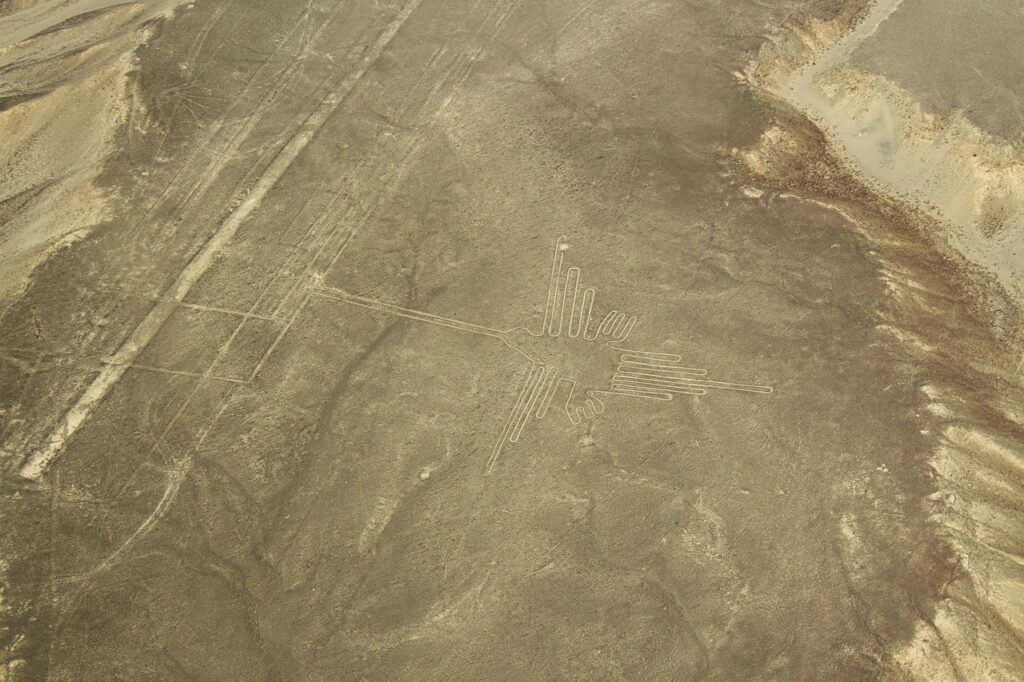
Did you know that ancient artists etched colossal geoglyphs into the arid Peruvian desert, visible only from the sky? The Nazca Lines, a series of intricate designs carved into the earth, have puzzled historians and archaeologists for decades. Who were the creators of these enigmatic figures-spanning from simple shapes to massive animals-and what purpose did they serve? As we delve into the mystery of the Nazca Lines, we uncover a world where art, astronomy, and ancient cultures intertwine, challenging our understanding of human ingenuity. Join us on a journey to unravel one of history’s greatest enigmas.
The Mystery of the Nazca Lines and Who Made Them
The Nazca Lines, an astonishing collection of geoglyphs etched into the arid plains of southern Peru, have puzzled historians, archaeologists, and travelers for centuries. Spanning an area of nearly 1,000 square kilometers, these massive designs depict various shapes, including animals, plants, and geometric figures. But who created them and why? Let’s dive deeper into this fascinating enigma.
#
What Are the Nazca Lines?
The Nazca Lines are a series of large ancient geoglyphs located in the Nazca Desert, about 250 miles south of Lima, Peru. They were first discovered in the 1920s by pilots flying over the region. Here are some key facts about the Nazca Lines:
#
The Creators of the Nazca Lines
Several theories surround the identity of the creators of the Nazca Lines, primarily attributing them to the Nazca civilization. Here’s a closer look at the proposed creators and their motivations:
| Theory | Description | |
| Nazca Culture | The most widely accepted theory is that the Nazca people, an ancient civilization that thrived in the region, created these lines as part of their religious practices. | |
| Astronauts | Some fringe theories suggest that extraterrestrial beings (aliens) created the lines as landing strips or markers. | |
| Geological Activity | Another theory posits that the lines were naturally formed by geological processes, although this is less widely accepted. | |
| Ritual Paths | Some believe the lines served as ritual pathways, leading to religious sites, with the designs acting as guides for ceremonial processions. |
#
The Purpose of the Nazca Lines
Understanding why the Nazca Lines were created is as perplexing as their origins. Various theories attempt to explain their purpose:
#
Modern Discoveries and Preservation Efforts
In recent years, technological advancements have led to new discoveries regarding the Nazca Lines. Satellite imagery and drone technology have allowed researchers to uncover previously unseen geoglyphs, revealing the extent of this ancient art form. The following points highlight ongoing efforts to study and preserve these fascinating structures:
#
Conclusion
The Nazca Lines continue to captivate the imagination of people around the world. While the exact reasons behind their creation remain shrouded in mystery, the combination of art, spirituality, and the ingenuity of the Nazca civilization is undeniably impressive. As researchers continue to explore this ancient wonder, we can only hope to unravel more secrets of the Nazca Lines while ensuring their preservation for future generations to marvel at. Who knows what else lies hidden in the sands of time?
In conclusion, the Nazca Lines remain one of the most intriguing archaeological enigmas of our time, captivating researchers and enthusiasts alike with their massive geoglyphs etched into the Peruvian desert. While theories abound regarding their purpose-ranging from astronomical calendars to religious rituals-the true origins and meanings behind these ancient creations continue to spark debate. Who were the ingenious minds that crafted these monumental designs, and what messages did they intend to convey to future generations? We invite you to share your thoughts and theories in the comments below!