

The Placebo Effect: 9 Powerful Facts About Mind, Healing, and Belief
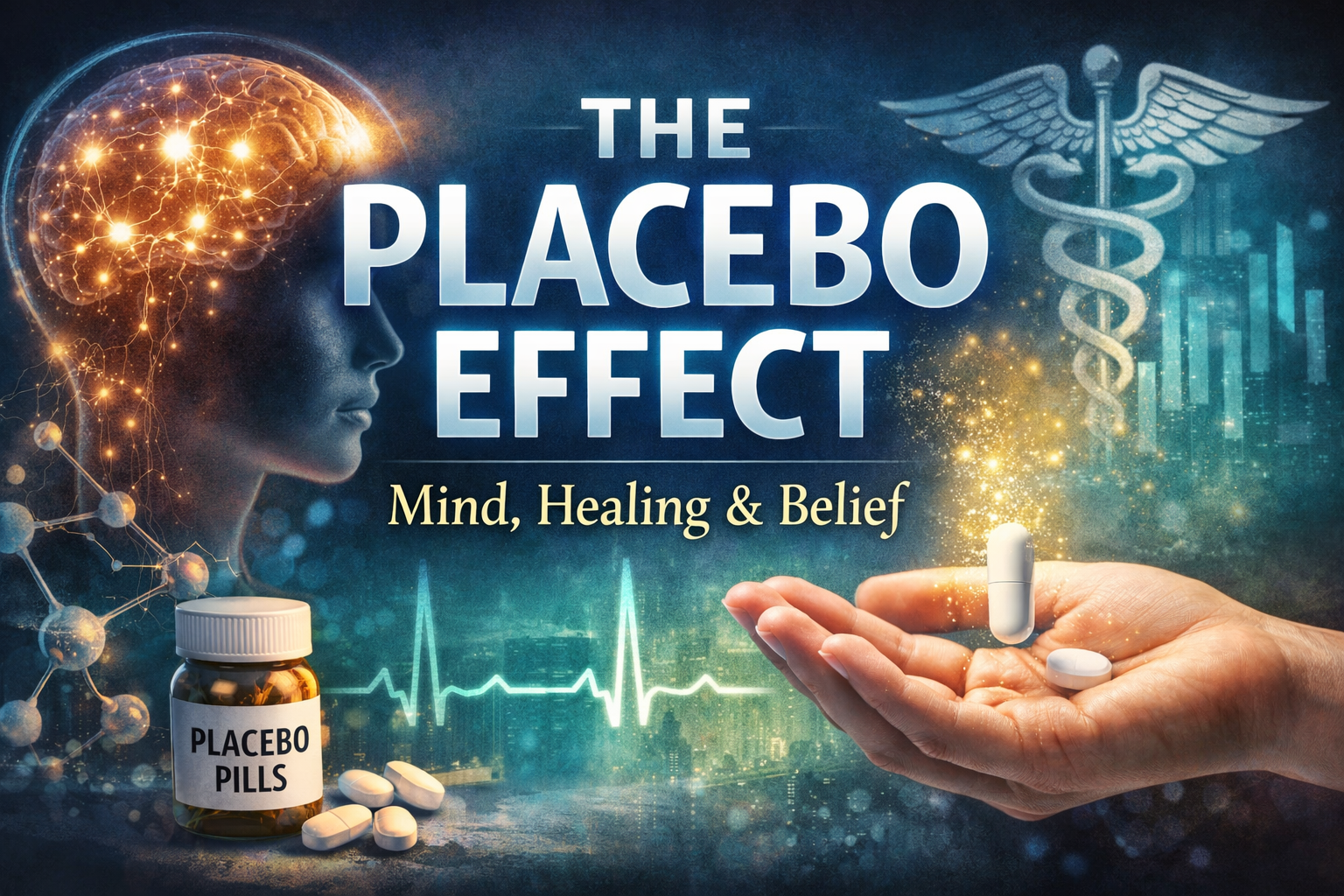
In a world where the mind and body are intricately connected, a fascinating phenomenon continues to intrigue scientists and laypeople alike: the placebo effect. Imagine healing without medicine, relief without active treatment, and the profound impact of mere belief on our physical and mental well-being. The placebo effect is not just an illusion or a trick of the mind; it is a powerful testament to the mind’s ability to influence bodily processes. This mysterious effect challenges our understanding of health and healing, revealing the profound potential within the human psyche.
Consider the scenario where an individual takes a sugar pill, believing it to be a potent medication, and experiences real relief from their symptoms. This is not a rare occurrence, but a well-documented and scientifically validated effect that underscores the complex interplay between expectation, perception, and physiological response. The placebo effect invites us to explore the depths of our mind’s influence over our body, questioning the boundaries of what is possible in the realms of medicine and psychology.
While the placebo effect has been the subject of scientific scrutiny for decades, its implications extend far beyond the laboratory. It offers tantalizing possibilities for enhancing treatment outcomes, optimizing therapeutic interventions, and even transforming our approach to health and wellness. As we delve into the mysteries of the placebo effect, we uncover not only the power of belief but also the untapped potential that lies within each of us. The journey to understanding the placebo effect is a journey into the heart of human consciousness, where hope, expectation, and healing converge in extraordinary ways.
The Placebo Effect: An Overview
The placebo effect is a fascinating psychological phenomenon where patients experience real changes in their health condition after receiving a treatment that has no therapeutic effect. This effect underscores the intricate connection between the mind and body, suggesting that beliefs and expectations can significantly influence physiological states.
Case Studies Highlighting the Placebo Effect
Numerous case studies have been conducted to explore the placebo effect and its implications in clinical settings. These studies often reveal surprising insights into how psychological factors can impact physical health.
Case Study 1: Pain Management in Post-Surgical Patients
One notable case study involved post-surgical patients who were administered a placebo but were told it was a powerful painkiller. The results demonstrated that a significant number of patients reported reduced pain levels, despite the absence of an active analgesic component in the placebo.
- Study Design: Randomized double-blind trial with control and placebo groups.
- Findings: Approximately 40% of the placebo group reported noticeable pain relief.
- Implications: Highlights the potential of placebos in pain management, emphasizing the role of patients’ expectations in therapeutic outcomes.
Case Study 2: Depression and Antidepressants
In another study focusing on depression, participants were divided into three groups: one receiving an active antidepressant, another receiving a placebo, and a third receiving no treatment.
- Study Design: Randomized controlled trial with a placebo and no-treatment group.
- Findings: Patients in the placebo group showed significant improvement in depression scores compared to the no-treatment group, though less than those on the active medication.
- Implications: Suggests that belief in treatment can contribute to symptom alleviation, even in mental health disorders.
Cognitive Tools and Mechanisms Underlying the Placebo Effect
The placebo effect is driven by several cognitive mechanisms that help elucidate how and why it occurs. Understanding these processes can aid in maximizing therapeutic outcomes in clinical practice.
Expectation and Conditioning
- Expectation: Patients’ expectations of a treatment play a critical role. When individuals expect to get better, their brain may release neurotransmitters like endorphins and dopamine, which can produce real physiological changes.
- Conditioning: Past experiences with effective treatments can condition patients to respond to placebos. This classical conditioning can lead to real physiological responses even when the treatment is inert.
The Role of Neurobiological Processes
Neuroimaging studies have shown that placebos can activate specific brain regions associated with the anticipated effects of treatment, such as pain relief. This suggests that the brain’s reward system is significantly engaged during the placebo effect.
- Brain Regions Involved: The prefrontal cortex, anterior cingulate cortex, and the amygdala are among the regions activated by placebo-induced expectations.
- Neurotransmitter Release: The placebo effect can trigger the release of neurotransmitters like endorphins and dopamine, which can mimic the action of real medications.
Experiments Demonstrating the Placebo Effect
Numerous experiments have been designed to dissect the placebo effect, often with striking outcomes that challenge conventional understandings of treatment efficacy.
Experiment 1: The Colored Pill Experiment
Researchers found that the color of placebo pills influences their perceived effectiveness. In one experiment, patients were given different colored pills, each associated with different therapeutic effects.
- Findings: Patients reported greater efficacy with brightly colored pills, such as red and yellow, which are often associated with energizing effects.
- Conclusion: Perception and marketing play substantial roles in the efficacy of treatment, even when the treatment is inert.
Experiment 2: Open-Label Placebos
In recent studies, open-label placebos, where patients are informed they are receiving a placebo, have been shown to produce significant effects.
- Design: Participants with irritable bowel syndrome were explicitly told they were receiving a placebo.
- Results: Patients reported significant symptom relief despite knowing the treatment was inactive.
- Implications: Suggests that the ritual of treatment and the patient-clinician relationship may play pivotal roles in the therapeutic process.
Practical Applications of the Placebo Effect in Therapy
Understanding and leveraging the placebo effect can enhance therapeutic efficacy in clinical practice. Here are several ways it can be practically applied:
Enhancing Patient Expectations
- Positive Framing: Clinicians can enhance treatment outcomes by framing therapies positively, thereby boosting patient expectations and engagement.
- Education: Educating patients about the power of their mindset can empower them to actively engage in their treatment process.
Utilizing Ritual and Context
- Environment: Creating a supportive and professional therapeutic environment can enhance the perceived efficacy of treatments.
- Rituals: The act of taking medication, even when inert, can trigger conditioned responses, providing a real therapeutic benefit.
Improving Patient-Clinician Relationships
- Trust and Communication: Building a strong, trusting relationship with patients can amplify placebo effects, as patients are more likely to believe in the treatment.
- Empathy: Demonstrating empathy and understanding can improve patient outcomes by fostering a positive therapeutic alliance.
The placebo effect remains a potent reminder of the power of the mind over the body, challenging traditional notions of healing and emphasizing the importance of the psychological components in treatment plans.
The placebo effect stands as a fascinating testament to the power of the mind-body connection, demonstrating how belief and expectation can significantly influence physical and psychological outcomes. Throughout decades of research, it has become clear that the mind’s ability to harness positive outcomes through expectation is not only real but also incredibly potent. This phenomenon reveals that our perceptions and mental states can have profound impacts on our health and well-being. Understanding this effect encourages a more holistic approach to healing, where mental and emotional states are considered alongside physical treatments. It emphasizes the importance of fostering positive thinking and belief in the effectiveness of interventions, whether they are medical, psychological, or lifestyle-related.
As we continue to explore the depths of this psychological phenomenon, let us embrace the empowering idea that our minds are active participants in our healing processes. By nurturing a mindset of optimism and belief in positive outcomes, we can enhance our resilience and potentially improve our quality of life. As a final thought, remember that while the placebo effect underscores the power of belief, it also highlights the importance of self-awareness and the active pursuit of well-being through both mental and physical avenues. Cultivate positivity, trust in your journey, and allow your mind to be a powerful ally in your quest for health and happiness.
The Placebo Effect in Real Life
The placebo effect is often described as a scientific curiosity, but its real importance becomes clear when we recognize how often it appears in everyday human experience. It is not limited to clinical trials or academic discussions. It appears whenever expectation, meaning, trust, and context shape the way a person experiences symptoms, pain, recovery, or well-being. This is what makes the placebo effect so powerful. It does not prove that illness is imaginary. Instead, it shows that the mind is deeply involved in how the body interprets and responds to treatment.
When a person feels cared for, understood, and hopeful, the body does not remain neutral. The nervous system reacts. Stress may decrease. Pain may feel less overwhelming. Confidence in recovery may improve energy and resilience. Even when a treatment is medically active, the placebo effect can amplify its impact by changing the emotional and cognitive environment in which healing takes place. In this sense, the placebo effect is not the opposite of real medicine. It is one of the hidden forces that can shape how medicine is experienced.
This is why researchers continue to study it so closely. The placebo effect sits at the intersection of psychology, neuroscience, behavior, communication, and physiology. It shows that belief is not merely abstract. Under the right conditions, belief can produce measurable changes in the body.
The Placebo Effect and the Brain’s Expectation System
One of the central ideas behind the placebo effect is expectation. When the brain expects relief, improvement, or benefit, it can begin adjusting how symptoms are processed. This is especially important in conditions involving pain, fatigue, mood, nausea, and stress. The brain does not simply receive these experiences passively. It helps regulate and interpret them through complex networks involving emotion, prediction, and prior learning.
Expectation can influence what the brain pays attention to, how intensely discomfort is felt, and how much threat a symptom seems to carry. If a patient believes a treatment will help, that expectation may reduce anxiety and alter how the nervous system responds. Pain signals, for example, are not just raw messages from the body. They are shaped by context, emotion, fear, memory, and anticipation. This means belief can genuinely change experience, even when the treatment itself is inactive.
That does not mean belief can cure everything. The placebo effect has limits, and it should never be used to dismiss serious illness. But it does mean that human expectation is biologically significant. The brain is constantly forecasting what will happen next, and those forecasts can affect perception, physiology, and recovery in meaningful ways.
Why Trust Changes Outcomes
Trust is one of the most underestimated ingredients in healing. A patient who feels safe with a clinician, respected during a consultation, and confident in a treatment plan often responds differently from someone who feels dismissed or uncertain. This difference is not only emotional. It can influence how the body handles stress, how symptoms are perceived, and how consistently a person follows through with care.
The placebo effect helps explain why trust matters so much. When trust is present, the brain is more likely to interpret a treatment as credible and beneficial. That credibility strengthens expectation, reduces fear, and creates conditions where the mind and body are more open to improvement. This is part of why bedside manner, empathy, communication style, and clinical environment can have such a strong impact on patient experience.
In contrast, a cold or rushed interaction can weaken confidence, increase stress, and reduce the likelihood of a positive response. Healing is not only about the chemical content of a pill or the mechanics of a procedure. It is also about the meaning attached to the experience. Trust gives treatment psychological weight, and that weight can influence the result.
The Ritual of Treatment Matters More Than People Think
Human beings respond strongly to ritual. Repetition, structure, symbols, and familiar actions all help create a sense of significance. Medicine is full of ritual, from appointment scheduling to white coats, examination rooms, pill bottles, prescription instructions, and follow-up visits. These details may seem secondary, but they can shape how powerful a treatment feels to the person receiving it.
The placebo effect shows that ritual itself can become part of healing. Taking a pill at the same time each day, sitting in a professional clinic, hearing reassuring words from a knowledgeable practitioner, and following a treatment routine can all reinforce the sense that something important is happening. That sense of importance can activate expectation and focus attention on improvement.
This is one reason open-label placebo studies are so interesting. Even when people know they are receiving a placebo, the ritual of treatment can still produce measurable changes. The act of caring for oneself, following a therapeutic routine, and participating in a structured healing process may be enough to trigger beneficial responses in some situations. The body appears to respond not only to substances, but also to context and intention.
The Placebo Effect in Pain Relief
Pain is one of the areas where the placebo effect has been studied most extensively. This is partly because pain is not just a physical event. It is also a perceptual and emotional experience shaped by the brain. Two people with similar injuries may report very different levels of pain depending on fear, expectation, stress, prior experiences, and meaning.
When a person believes a treatment will reduce pain, the brain may respond by releasing natural chemicals associated with relief, such as endorphins and dopamine-related signals. These changes can reduce the intensity of perceived pain, even when the treatment has no pharmacological action. Brain imaging studies have shown that placebo-related pain relief can involve real neural activity in regions linked to expectation, reward, and pain regulation.
This does not mean all pain is “in the mind” in a dismissive sense. It means the mind is part of pain processing. That distinction is crucial. The placebo effect does not invalidate suffering. It reveals that suffering is shaped by both body signals and brain interpretation. This insight has important implications for pain management, especially in chronic conditions where expectation and fear can intensify symptoms.
Depression, Anxiety, and the Power of Meaning
The placebo effect is also relevant in mental health, where expectation and therapeutic context can play major roles in improvement. In studies of depression and anxiety, people receiving placebos sometimes report meaningful relief, particularly when compared with those receiving no treatment at all. This suggests that the belief in being helped, the structure of care, and the emotional impact of treatment attention can all influence mental state.
Part of this may come from hope. When someone feels stuck, hopeless, or exhausted, the simple act of entering a treatment process can begin to change internal momentum. A person may sleep better because they feel supported. They may become more observant of improvement. They may act differently because they believe recovery is possible. These small shifts can compound over time.
Of course, placebo effects do not replace evidence-based treatment for serious mental health conditions. But they do highlight an important truth: meaning matters. The therapeutic story a person tells themselves about recovery can influence the path they take through it. This is why good treatment often combines technique with emotional credibility and human connection.
Conditioning and Learned Responses
Not all placebo effects come from conscious belief alone. Some are shaped by conditioning. If a person has repeatedly taken medicine that helped them in the past, the body may begin associating the ritual of treatment with relief. Over time, the sight of a pill, the smell of a clinic, or the act of receiving care can trigger a learned response. In this way, previous experience trains the nervous system.
This helps explain why placebos can work even when a person is not fully convinced. The body may have learned to respond to treatment cues over many years. That response can involve real physiological changes, such as shifts in stress hormones, neurotransmitter activity, or pain processing. In other words, the placebo effect is not always purely about conscious optimism. It can also arise from deeply learned patterns built through repetition.
This is one reason medical context matters so much. A treatment is never just its active ingredient. It is also packaging, presentation, routine, prior memory, and emotional association. All of these shape what the brain expects and how the body responds.
The Nocebo Effect: When Negative Belief Causes Harm
If positive expectations can improve symptoms, negative expectations can make them worse. This is known as the nocebo effect, and it is the darker mirror of the placebo effect. When a person expects pain, side effects, failure, or danger, the brain may amplify those experiences. Anxiety increases. Vigilance rises. Normal sensations may be interpreted as threatening. Discomfort can intensify.
The nocebo effect helps explain why fear-based communication can backfire. If treatment is explained in a cold, alarming, or overly negative way, patients may become more likely to experience distress, even when the treatment is otherwise safe. This does not mean risks should be hidden. It means communication should be honest without becoming unnecessarily frightening.
Understanding the nocebo effect also helps us appreciate how powerful language can be in healthcare, therapy, and self-talk. The stories we tell ourselves about illness and recovery do not just influence mood. They can shape physiology, symptoms, and behavior. In that sense, both hope and fear can become biologically relevant.
What the Placebo Effect Teaches About Human Healing
At its core, the placebo effect teaches that healing is rarely a purely mechanical event. Human beings are interpretive creatures. We respond not only to chemicals and procedures but also to symbols, relationships, beliefs, routines, and emotional context. This does not weaken science. It enriches it. It reminds us that the patient is not a passive object receiving treatment, but an active participant in the healing process.
For clinicians, this means that technical skill should be paired with communication, empathy, and attention to context. For patients, it means mindset can matter more than they may realize. For researchers, it means that treatment effects should be understood not only in biochemical terms but also in psychological and relational ones.
The placebo effect is especially important because it reveals that the body is responsive to meaning. A treatment can represent safety, hope, authority, care, and possibility. Those meanings are not separate from biology. They become part of biology through the nervous system, hormones, attention, and expectation.
The Placebo Effect and Modern Wellness Culture
In today’s world, the placebo effect is often misunderstood in two opposite ways. Some people dismiss it as fake, as if placebo responses are imaginary and therefore unimportant. Others overextend it and treat it as proof that belief alone can solve any health problem. Both views miss the real insight.
The placebo effect is not fake. The changes it produces can be measurable and meaningful. At the same time, it is not unlimited magic. It does not mean broken bones heal through optimism alone or serious infections disappear because someone believes hard enough. What it does show is that belief and treatment context can influence outcomes in real ways, especially where perception, stress, pain, mood, and behavior are involved.
This balanced understanding is important in wellness culture, where people are often drawn either to extreme skepticism or extreme faith. The truth is more nuanced and more interesting. The placebo effect shows that healing is both physical and interpretive, biological and psychological. It invites us to think in systems rather than simple binaries.
Open-Label Placebos and a New Kind of Honesty
One of the most intriguing areas of recent research involves open-label placebos. In these cases, patients are told directly that they are receiving a placebo, and yet some still experience relief. This finding challenges the assumption that deception is necessary for placebo effects to occur. It suggests that expectation can be built not only through false belief, but through trust, ritual, and the idea that the body may still respond to the treatment context itself.
This has important ethical implications. Traditional placebo use in medicine raises concerns about honesty because patients should not be misled. Open-label placebo research offers a different possibility. It suggests that in some contexts, transparency and therapeutic benefit may coexist. A patient can understand the pill is inert and still participate in a meaningful healing ritual.
This does not mean open-label placebos will replace conventional treatment. But they open the door to new conversations about self-awareness, mind-body interaction, and how much of healing depends on the story surrounding care. That is a powerful shift in perspective.
How Clinicians Can Use the Placebo Effect Responsibly
The ethical lesson of the placebo effect is not to trick people. It is to improve care by recognizing how strongly human beings respond to context. Clinicians can use this insight responsibly by communicating clearly, showing empathy, building trust, and framing treatment in constructive but honest ways. A patient who understands the purpose of treatment and feels emotionally supported may respond better than one who feels confused or dismissed.
Simple details matter. Eye contact, tone of voice, confidence without arrogance, careful listening, and thoughtful explanation all contribute to a stronger therapeutic relationship. When patients feel seen, they often become more engaged, more hopeful, and more consistent in following care recommendations. These are not soft extras. They are part of the treatment environment.
Using the placebo effect responsibly means respecting the full human dimension of medicine. It means acknowledging that bodies heal within relationships, beliefs, and environments, not in isolation from them.
Final Thoughts on the Placebo Effect
The Placebo Effect remains one of the most compelling examples of the mind-body connection in action. It shows that belief, expectation, trust, ritual, and context can all influence how people feel and sometimes how they heal. Rather than exposing medicine as weak, it reveals something richer: treatment works within a human system shaped by brain, body, emotion, memory, and meaning.
This is why the placebo effect matters so much in both science and everyday life. It challenges us to think more deeply about what healing actually involves. It reminds us that people are not machines and that care is never only chemical. The words surrounding treatment, the environment in which it happens, and the relationships that support it can all make a difference.
In the end, the placebo effect is not simply about sugar pills. It is about the extraordinary responsiveness of the human organism. It is about the possibility that hope, trust, and expectation are not just feelings we have during treatment, but forces that can shape treatment itself.