

Some Turtles Can Breathe Through Their Butts: 9 Wild Facts About Cloacal Respiration
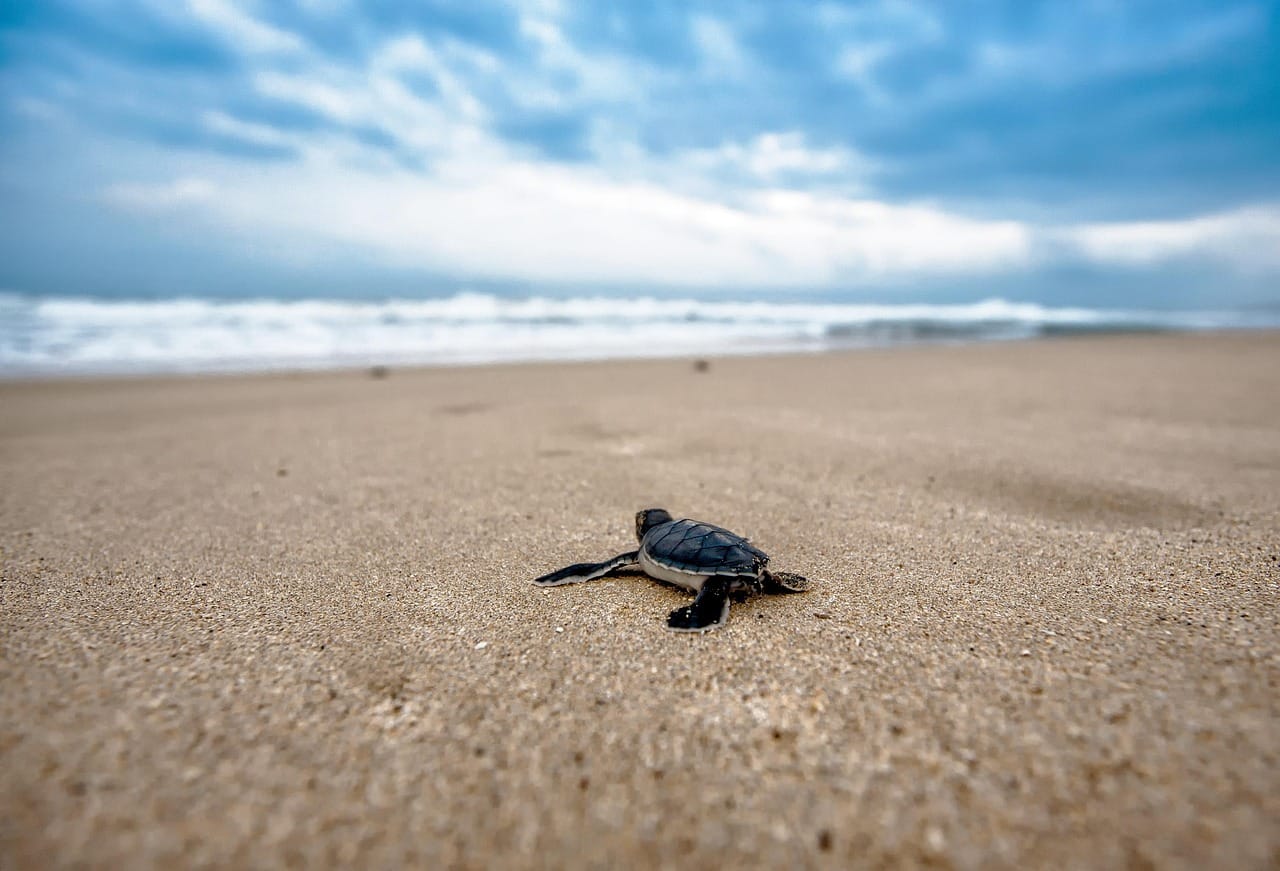
Some Turtles Can Breathe Through Their Buttsççç Did you know that some turtles have a unique talent that sounds almost unbelievable? Imagine being able to breathe through your behind! While it might sound like a bizarre party trick, certain species of turtles have evolved this extraordinary ability to survive in oxygen-poor environments. As they navigate murky waters and long hibernations, these remarkable reptiles showcase nature’s ingenuity in ways that defy our expectations. Join us as we dive into the fascinating world of these extraordinary turtles and uncover the science behind their posterior breathing prowess!
Some Turtles Can Breathe Through Their ButtsWhen you think of turtles, you might picture them slowly ambling along the shore or swimming gracefully in the water. However, these fascinating creatures have some surprising adaptations that enable them to thrive in their environments. One of the most astonishing features of some turtles is their ability to breathe through their butts-a process known scientifically as cloacal respiration. Let’s dive into this intriguing topic and explore why this adaptation is so essential for certain turtle species.
What is Cloacal Respiration?Cloacal respiration is a unique method of gas exchange that occurs through the cloaca, the common opening for the urinary, reproductive, and digestive tracts in some animals, including turtles. This remarkable adaptation allows turtles to extract oxygen from water, which is particularly beneficial for species that spend long periods submerged.
#
Key Facts About Cloacal Respiration:Not all turtles use this unique method of respiration. The species most commonly associated with cloacal respiration are:
The process of cloacal respiration in turtles involves several steps:
1. Water Intake: When submerged, turtles can take in water through their cloaca.
2. Oxygen Extraction: The water passes over the cloacal membranes, where oxygen diffuses into the turtle’s bloodstream.
3. Carbon Dioxide Release: At the same time, carbon dioxide is expelled from the blood into the water, completing the gas exchange.
The ability to breathe through their butts offers several advantages for turtles:
| Benefit | Description | |
| Extended Diving Time | Turtles can stay underwater for longer periods, avoiding predators. | |
| Energy Conservation | Reduces the need to surface frequently, saving energy. | |
| Survival in Low-Oxygen | Enables survival in environments where oxygen levels are low, such as stagnant ponds. | |
| Adaptation to Habitat | Allows turtles to thrive in diverse aquatic habitats. |
The ability of some turtles to breathe through their butts is just one of the many incredible adaptations that have allowed these reptiles to thrive in diverse environments. As we continue to learn about the natural world, we discover more about the fascinating ways animals adapt to survive. So next time you see a turtle, take a moment to appreciate the incredible biology that allows them to live their lives both on land and in water, and remember: they might just be breathing through their butts!
In conclusion, the fascinating ability of some turtles to breathe through their butts highlights the incredible adaptations found in nature. This unique respiratory method allows them to thrive in aquatic environments, showcasing the diversity of evolutionary strategies among species. What other surprising animal adaptations have you come across that challenge our understanding of biology?
Some Turtles Can Breathe Through Their Butts and the Science Is Even Stranger Than It Sounds
At first, the phrase sounds like a joke built for internet headlines. It is weird, funny, and almost impossible to take seriously on first hearing. But the truth behind it is real, and it reveals one of the most remarkable survival adaptations in the animal world. Some turtles can indeed absorb oxygen through structures associated with the cloaca, allowing them to stay underwater far longer than most people would expect. What sounds ridiculous at first turns out to be a brilliant solution to a very serious biological problem.
The problem is simple: turtles need oxygen, but surfacing for air is not always easy, safe, or efficient. In cold water, during hibernation, or in oxygen-poor environments, constantly rising to breathe can be difficult. For certain turtle species, evolution found another route. Instead of relying only on the lungs, they can also extract oxygen from water through specialized tissue inside the cloacal region. This process is called cloacal respiration, and it is one of the clearest reminders that nature often solves problems in ways humans would never invent on their own.
That is why this topic fascinates so many people. It combines humor with real science, and once you move past the shock value, it opens a window into how animals adapt to extreme conditions. These turtles are not performing a biological party trick. They are using a highly specialized survival tool that helps them endure environments where ordinary breathing would not be enough.
What Cloacal Respiration Actually Means
Cloacal respiration refers to a form of gas exchange that takes place through the cloaca, the shared opening used in many reptiles and other animals for digestive, urinary, and reproductive functions. In certain turtles, parts of this region contain highly vascularized tissue, meaning the tissue has many blood vessels and can absorb dissolved oxygen from water. When water passes over these surfaces, oxygen can diffuse into the bloodstream while carbon dioxide moves out.
This does not mean turtles completely replace lung breathing with cloacal respiration. For most species that use this adaptation, it is a supplementary system rather than a total substitute. Their lungs are still essential. But the ability to gain at least some oxygen underwater can make a huge difference, especially when the turtle is inactive, conserving energy, or trapped under ice where surfacing is not possible.
The most interesting part is that this process takes something we normally think of as a waste-related body structure and turns it into a respiratory aid. Evolution is often like that. It works with what is available and repurposes structures in surprising ways when survival demands it.
Why Some Turtles Need This Ability
Not all turtles live under the same conditions, and not all turtles face the same respiratory challenges. Some species inhabit rivers, ponds, and other freshwater systems where oxygen levels can vary dramatically. In cold seasons, water may be covered by ice, cutting turtles off from easy access to air. In muddy or stagnant conditions, oxygen can be limited and movement can be costly. For a turtle trying to survive in these environments, every bit of oxygen matters.
That is where cloacal respiration becomes especially valuable. It helps turtles stretch their underwater time without relying entirely on their lungs. In some cases, this can support survival during brumation, a reptile state similar to hibernation, when the animal becomes far less active and its metabolism slows. Because the turtle is using less energy, even a modest amount of oxygen absorbed from water can make a significant difference.
This adaptation is therefore not random or excessive. It is tied directly to habitat and survival. Turtles that spend long periods submerged, especially in cooler freshwater systems, benefit the most from having an alternative way to support gas exchange.
Some Turtles Can Breathe Through Their Butts During Long Underwater Periods
The most famous reason this adaptation gets attention is the image it creates: a turtle staying underwater and “breathing” through its rear end. While that phrase is simplified, it captures a real survival strategy. During long underwater periods, especially when activity is low, some turtles can move water in and out of the cloacal region so that oxygen-rich water contacts the specialized tissue. This allows a portion of the turtle’s respiratory needs to be met without surfacing.
That is particularly useful during winter months. A turtle resting under ice cannot easily rise for air, and if the water is cold enough, it may remain largely inactive for long stretches. Its heart rate slows, its energy demands drop, and cloacal respiration can help bridge the gap. It is not a fast, athletic form of breathing like the lung-driven respiration used during active swimming. It is a quiet, low-energy survival mode.
This is one of the reasons the adaptation feels so impressive. It is not just weird. It is elegant. The turtle slows its whole body down and uses an alternate oxygen pathway to endure conditions that would challenge many other animals.
Which Turtles Are Known for This Adaptation
Not all turtles use cloacal respiration to the same extent. Some species are especially well known for it because their cloacal tissues are unusually specialized. The Australian Fitzroy River turtle is one of the most famous examples. It has often been nicknamed the “bum-breathing turtle” because of how effectively it can obtain oxygen this way. Other turtles also show cloacal or related aquatic gas exchange abilities, though the degree varies.
These species tend to live in habitats where the adaptation provides a strong advantage. Freshwater environments with seasonal cold, low oxygen, or long submersion periods create conditions where any extra oxygen source can be important. In contrast, turtles that surface frequently or live in conditions where lung breathing is easy may have little need for such extensive specialization.
This variation reminds us that evolution is selective, not universal. Nature does not give every species the same tools. It shapes different bodies for different problems. Cloacal respiration exists where it is useful enough to matter.
How the Cloaca Becomes a Respiratory Organ
One of the most fascinating parts of this story is the anatomy itself. The cloaca is already a multifunctional structure, serving as a shared exit and passageway for several bodily systems. In turtles capable of cloacal respiration, internal sacs or surfaces associated with this region become lined with tissue rich in blood vessels. That vascularization is what makes gas exchange possible.
When water moves across these surfaces, oxygen dissolved in the water can pass into the bloodstream by diffusion. At the same time, carbon dioxide can move in the opposite direction. This is broadly similar in principle to what happens in gills or lungs, though the structures and efficiency are quite different. The cloacal surfaces are not as powerful a respiratory system as gills in fish, but they do not need to be. They only need to provide enough support to help the turtle survive under specific conditions.
This is a great example of how animal anatomy often blurs neat textbook categories. A structure humans might think of in one narrow way can take on extra functions in another species. Evolution is less interested in elegance by human standards than in results.
Cold Water Makes This Strategy More Effective
Temperature plays an important role in why cloacal respiration can help turtles so much. In cold water, a turtle’s metabolism slows down. Its body requires less oxygen because it is less active, digesting less, and conserving energy overall. At the same time, cold water can often hold more dissolved oxygen than warm water. These two factors together create conditions where cloacal respiration becomes especially useful.
A low-energy turtle in oxygen-rich cold water does not need as much gas exchange as an active turtle in summer. That means a relatively modest alternative breathing method can go much further. This helps explain why the adaptation is so closely associated with overwintering or cold freshwater habitats. The turtle is not using this system to chase prey at high speed. It is using it to quietly endure, survive, and wait.
This is another reason the adaptation is so smart. It works best when the animal’s needs are lowest and the environment is most favorable to that type of oxygen absorption. Nature often rewards solutions that match timing as well as structure.
Why This Is Not the Same as Fish Gills
When people hear that turtles can get oxygen from water, they may imagine something like fish gills. But the two systems are not the same. Fish are built around gill respiration as their primary oxygen system. They can extract oxygen from water continuously and support active swimming, hunting, and survival entirely through aquatic respiration. Turtles, by contrast, are still fundamentally lung-breathing reptiles.
Cloacal respiration is an auxiliary adaptation. It helps in certain settings, but it does not replace the need for lungs in normal life. Turtles still surface for air, and their bodies are not designed to live like fish. The cloacal tissue is not as efficient as gills, nor is it meant to be. It is a supplementary solution for specific ecological pressures.
That distinction matters because it makes the adaptation even more interesting. Evolution did not turn turtles into fish. It gave them a backup strategy that works within the limits of being a turtle. The result is less dramatic than a full set of gills, but more elegant in its own way.
Some Turtles Can Breathe Through Their Butts Because Evolution Reuses What Already Exists
One of the great lessons in this topic is that evolution does not design from scratch the way human engineers often imagine. It modifies existing structures. It repurposes tissues. It turns ordinary anatomy into extraordinary tools. In the case of butt-breathing turtles, the cloaca was already there serving multiple functions. Under the right environmental pressures, parts of it became useful for gas exchange too.
This pattern appears throughout biology. Bird feathers likely evolved from structures that initially served other purposes. Mammalian ear bones come from earlier jaw elements in distant ancestors. Whale limbs transformed into flippers. Again and again, evolution shows its talent for reusing old materials in new ways. Turtles fit perfectly into that pattern.
That is one reason cloacal respiration is so fascinating to scientists and general readers alike. It is both strange and deeply logical. Once you understand how evolution works, the weirdness becomes a form of ingenuity rather than absurdity.
The Adaptation Also Reveals How Tough Turtles Are
Turtles are often seen as calm, slow, or even simple animals, but they are far more resilient than those stereotypes suggest. They have survived on Earth for over 200 million years, enduring enormous planetary changes and adapting to habitats ranging from deserts to oceans to muddy freshwater systems. Cloacal respiration is just one example of how flexible their biology can be.
The ability to survive long submersion, low oxygen, cold seasons, and environmental stress helps explain why turtles have been such successful survivors through deep time. They do not always rely on speed or aggression. Instead, they often rely on endurance, efficiency, and highly specialized adaptations. In that sense, butt-breathing is less a weird trick and more a symbol of turtle resilience.
It also reminds us that animals we casually overlook often carry some of nature’s most impressive solutions. A turtle sitting quietly in a river may seem unremarkable until you realize it can meet part of its oxygen needs through an internal aquatic gas exchange system. Suddenly the ordinary becomes extraordinary.
What This Means for Conservation
Understanding unusual adaptations like cloacal respiration is not just interesting for trivia lovers. It can also matter for conservation. Species with specialized survival strategies are often closely tied to specific habitats. If those habitats are polluted, warmed, oxygen-depleted in the wrong way, or otherwise disrupted, the animals may struggle in ways outsiders do not immediately see.
A freshwater turtle adapted to cool, clean, oxygen-rich water may be especially vulnerable if rivers become degraded. Sedimentation, chemical pollution, habitat destruction, and climate shifts can all interfere with the conditions that make this type of respiration useful. Conservation therefore requires not only protecting the turtle itself but protecting the precise ecological systems that support its unusual biology.
This makes these turtles even more remarkable. Their strange adaptation is not only a wonder of nature. It is also a reminder of how delicate the balance between species and habitat can be.
Why People Never Forget This Fact
There are some animal facts people hear once and remember for years, and this is one of them. Part of the reason is obvious: it is funny. But the deeper reason is that it overturns expectation. People think they know what breathing looks like, and then a turtle arrives and changes the whole conversation.
This kind of surprise is powerful because it opens the door to curiosity. Once people get past laughing, they want to know how it works, why it evolved, and which species do it. A weird headline becomes a lesson in anatomy, ecology, and evolution. That is the best kind of science communication: memorable enough to catch attention, rich enough to reward it.
The phrase may sound absurd, but the science behind it is beautiful. That combination is why the fact stays with people so strongly.
Final Thoughts
Some Turtles Can Breathe Through Their Butts is one of the wildest true facts in animal biology, but behind the shock value lies a remarkable evolutionary solution. Through cloacal respiration, certain turtles can absorb oxygen from water using specialized tissue in the cloacal region, helping them stay submerged for long periods, especially in cold or low-oxygen freshwater environments.
This adaptation shows how creative nature can be when survival is on the line. It also reminds us that animals are often far more complex than they first appear. What seems ridiculous at first turns out to be a precise, efficient response to environmental challenge.
So the next time someone jokes about turtles breathing through their butts, the truth is even better than the joke. It is a real example of evolutionary ingenuity, a strange and brilliant reminder that life on Earth is full of solutions more imaginative than anything humans would have dared invent.