

Sustainable Smart Home Technology: Eco-Friendly Smart Living Trends
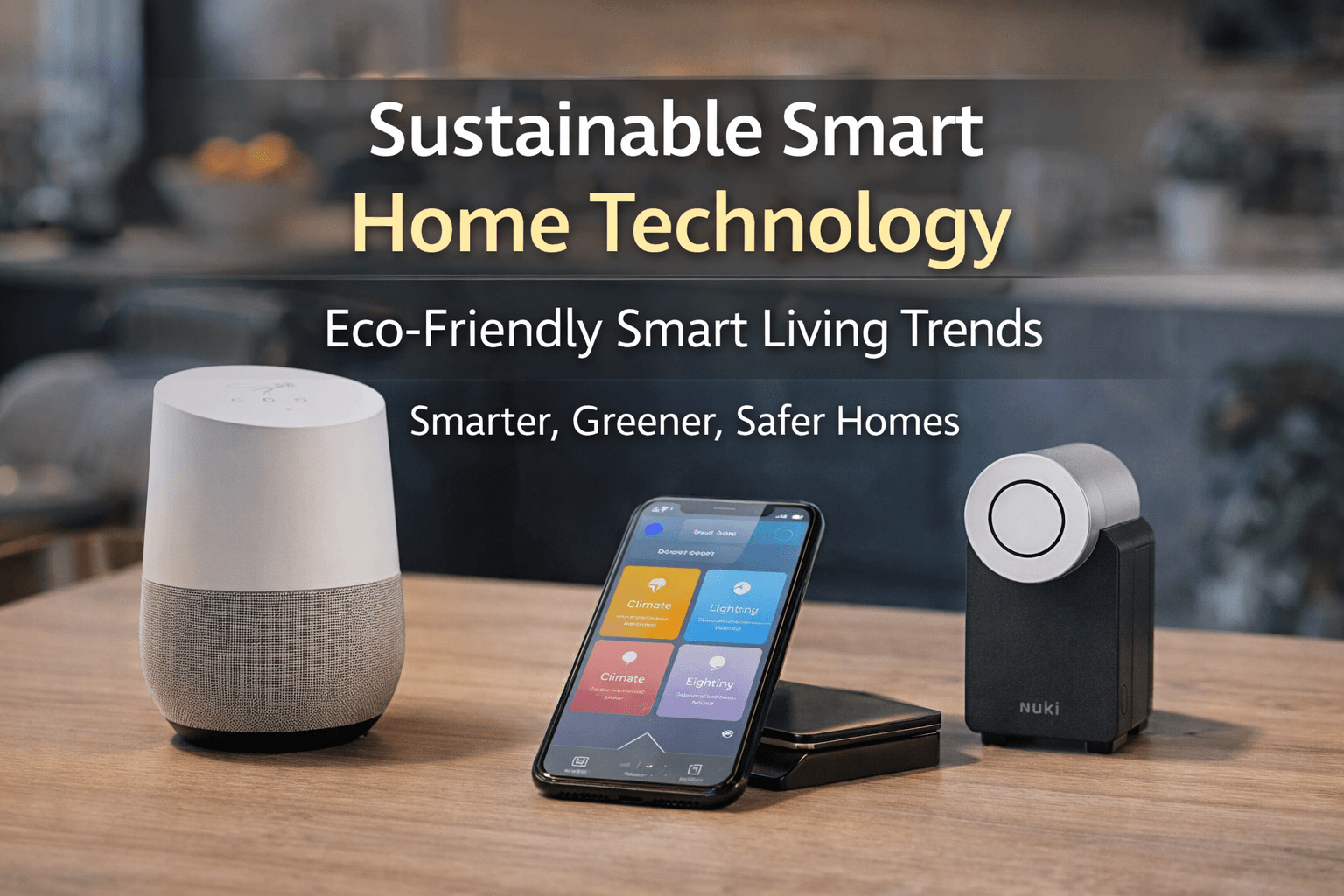
Sustainable Smart Home Technology… Smart living is rapidly transforming how we interact with our homes and everyday devices. Smart homes powered by IoT are no longer a futuristic concept-they are a growing reality that blends comfort, security, and energy efficiency. This evolution means your home’s lights, thermostat, security system and even appliances can work together intelligently. In practice, smart living is more than a trend; it’s an evolution that seamlessly integrates convenience, efficiency, and security into daily life.
Imagine your blinds opening to welcome the morning sun, your coffee brewing itself, and your thermostat automatically adjusting the temperature to your liking
The market for smart home devices is booming. In 2022, global spending on smart home systems was about $135 billion, and analysts expect it to reach $170 billion by 2025. In the U.S., roughly 60% of households are projected to have some smart home technology by 2025. Consumers are clearly interested: about 75% of potential home buyers say they’d pay more for a home equipped with smart systems.
On average, current smart-home enthusiasts have about eight smart devices in their home. Popular smart devices include smart thermostats, lighting systems, security cameras, and voice assistants
Key Smart Home Devices and Tech
Smart living relies on a range of interconnected devices and systems. Here are some of the most impactful technologies:
- Smart Thermostats: Devices like Google Nest or Ecobee learn your schedule and adjust heating/cooling automatically. They ensure your HVAC only runs when needed. This can cut energy use substantially-ENERGY STAR notes smart thermostats save on average about 8% of heating and cooling energy. By maintaining efficient climate control, they reduce utility bills and carbon footprint.
- Smart Lighting: LED bulbs controlled by apps or motion sensors only turn on when someone is in the room. Brands like Philips Hue adapt brightness and color automatically, matching natural light or setting mood scenes. Automated lighting systems use occupancy and daylight sensors to avoid wasted electricity. For instance, lights can dim or switch off when a room is empty, saving energy over time.
- Voice Assistants & Hubs: Speakers like Google Home Mini, Amazon Echo, or Apple HomePod can control multiple devices by voice. They integrate different brands under one “smart home ecosystem.” Saying “Good night” might lock doors, turn off lights, and lower the thermostat in one go. These hubs make smart living accessible, especially for beginners, by simplifying control of complex systems.
- Smart Security: Modern security devices include video doorbells, smart locks, and motion detectors. Cameras from Ring or Arlo send alerts to your phone if they detect unusual activity. Smart locks let you grant temporary access to guests or lock doors remotely. With geofencing, your home can sense when you’re away and activate alarms or lock doors automatically. Security and peace of mind are major reasons homeowners invest in smart tech.
- Intelligent Appliances: Kitchen appliances are getting smarter too. Imagine a coffee maker that starts brewing when your morning alarm goes off, or a refrigerator that tracks groceries. The photo below shows a smart coffee maker panel in action. Other appliances like washers, ovens, and vacuums are Wi-Fi connected and programmable via smartphone. They help save water and energy by running at off-peak hours or optimal settings.
- Environmental Sensors: Additional IoT sensors monitor air quality, humidity, or water leaks. They alert you to poor air or a hidden pipe leak. Some systems can even automatically turn on ventilation or shut off water to prevent damage.
- Home Automation Systems: Advanced setups include central hubs or apps (like Samsung SmartThings or Apple HomeKit) that tie it all together. These platforms let you create routines or “if-this-then-that” rules. For example, if your smart doorbell detects you arriving home, it can turn on porch lights and disarm the alarm.
Together, these devices form a smart ecosystem. Each gadget contributes to a more convenient, efficient, and safer living environment. They save time (no more searching for light switches) and money (lower energy bills) while making daily tasks easier.
Benefits of Smart Living
Smart homes offer clear benefits in everyday life:
- Convenience: Control everything from anywhere. Forgot to turn off the lights? Do it from your phone. Need the house warm when you return from work? Schedule your thermostat. Smart systems put home control at your fingertips. Whether through an app or voice command, tasks that once took effort are now effortless.
- Energy Efficiency and Savings: One of the biggest advantages is reduced energy waste. Smart thermostats and lights learn your habits and adjust automatically, preventing excess use. For example, smart lights with motion sensors ensure lights aren’t left on in empty rooms. Smart plugs can cut power to idle electronics. Over time, these small savings add up
- Enhanced Security: Monitoring your home has never been easier. Smart security cameras, doorbell cams, and locks keep you connected to home no matter where you are. Instant alerts and remote locks mean you can respond quickly to threats. According to user surveys, 71% of smart home owners say their devices have a positive impact on their life. Feeling safer at home is a major perk of smart living.
- Health and Sustainability: Many smart devices promote healthier living. Air quality sensors and smart thermostats can maintain optimal indoor environments. Smart sprinklers water your lawn based on weather data, conserving water. By optimizing energy and resource use, smart homes contribute to a sustainable lifestyle, reducing your carbon footprint and utility bills.
- Future-Proofing: Smart homes can adapt as new technologies arrive. Systems built on open standards (like Matter) can accept new devices over time. This means your home remains up-to-date without complete overhauls. Also, homes with smart features are often valued higher in real estate; buyers pay premiums for tech-equipped homes.
These benefits explain why nearly 3 in 4 homeowners under 55 are adopting smart home gadgets, and why even renters (82%) want at least one smart device in their homes. As smart living becomes widespread, homes will only get smarter and more efficient.
Sustainability and Smart Living
An exciting aspect of smart living is its eco-friendliness. Smart home technology makes sustainability easier by automating conservation. For instance:
- Energy Management: Smart energy management systems act like a brain for your home’s power. They monitor usage and shift loads to off-peak times or use stored renewable energy. If your home has solar panels and batteries, a smart system can run appliances on solar power during the day and only draw from the grid when needed. This reduces reliance on fossil fuel electricity.
- Renewable Integration: Matter-compatible devices can coordinate with solar and wind sources. On a sunny day, excess solar power might charge batteries; when it’s cloudy, smart thermostats and appliances could throttle back to conserve battery life. Smart plugs and chargers can also adjust usage based on green energy availability.
- Water Conservation: Smart irrigation and leak detectors prevent water waste. Soil moisture sensors and weather forecasts let sprinklers water only when needed. If a leak is detected, the system can automatically shut off valves, saving gallons of water and preventing damage.
- Reduced Waste: With interoperability (such as via Matter), you can keep older devices in use longer, reducing electronic waste. Firmware updates over-the-air extend device lifespans by adding features and security patches. And by tracking usage, smart systems encourage mindful consumption of electricity and resources.
In short, sustainable smart home technology helps minimize environmental impact while keeping households comfortable and safe. It aligns daily living with green practices without sacrificing convenience.
Challenges and the Road Ahead
Adopting smart living does have hurdles. Upfront cost can be a barrier, as devices and installation require investment. Privacy and security are also concerns; about a third of Americans worry about smart device hacking or data sharing. Ensuring strong encryption, regular updates, and trusted authentication is critical. The new Matter standard addresses this by using advanced security and allowing only authorized devices into your network. The list below highlights key future trends and considerations in smart living:
- Interoperability and Standards: The Matter standard, backed by companies like Apple, Google, and Amazon, ensures devices from different brands work together. This means you won’t have to toss out old gadgets when adding new ones. A Matter-compatible system can unify lighting, security, and appliances under one seamless network.
- Artificial Intelligence: AI is becoming central to smart homes. Future systems will predict your needs: learning your schedule to pre-heat the oven or adjust climate before you wake. Virtual assistants will understand context better, so commands feel more natural. In essence, AI will make smart homes adaptive
- Connectivity (5G and Beyond): The rollout of faster networks like 5G means devices can communicate instantly with minimal lag. This supports real-time monitoring and control even when you’re miles away. Lower latency also enables more complex applications, such as integrated home health monitoring or virtual reality interactions with your living space.
- Scalability: As the number of IoT devices grows (expected to reach tens of billions globally), smart homes will connect more than just gadgets
- Consumer Demand: Smart living features are becoming selling points in real estate. With 75% of buyers willing to pay a premium for a smart home, the incentive to adopt is strong. As competition grows, manufacturers are driving down costs of smart devices, making them accessible to more people.
Despite challenges, the momentum behind smart living is undeniable. Technology companies and home builders are investing heavily in IoT and AI for homes. This means more innovation and better, more affordable devices ahead. Already, a majority of people with smart devices find them more useful than expected, especially for convenience and saving time. As privacy safeguards improve and costs fall, smart home adoption is poised to accelerate even faster.
Conclusion
Smart living merges advanced technology with everyday life to create homes that are more convenient, secure, and environmentally friendly. By connecting devices through IoT, residents gain control and insight like never before. From voice-activated assistants to self-optimizing climate control, smart home innovations are transforming the place we feel safest
How to Build a Smart Living Setup Without Wasting Money
Smart living works best when you start with a clear goal. Many people buy random gadgets and end up with a messy collection of apps. A better approach is to build a “smart stack” in layers: one hub, a few high-impact devices, and a handful of simple automations that remove daily friction.
Step 1: Choose Your Ecosystem
Most smart homes revolve around a central ecosystem that controls devices and routines. The best ecosystem is the one you’ll actually use daily.
- Voice-first: great if you want hands-free control for lights, music, and routines.
- Phone-first: best if you prefer an app dashboard and automation controls.
- Matter-first: ideal if you want flexibility across brands and less future lock-in.
Whichever you choose, keep it simple. A single “home brain” makes everything feel seamless.
Step 2: Start With the Biggest ROI Devices
If you want smart living benefits quickly, focus on devices that save energy, prevent costly damage, or improve everyday comfort.
- Smart thermostat: reduces waste automatically and improves comfort.
- Smart plugs: control idle devices and automate small appliances.
- Smart lighting: schedules and motion sensors reduce electricity waste.
- Leak detector + shutoff (if possible): prevents expensive water damage.
- Video doorbell or camera: boosts security and visibility.
Step 3: Add One Automation Per Week
Automation is where smart living becomes magical-but too many automations at once creates chaos. Add one, test it, then add the next.
Smart Home Routines That Actually Improve Daily Life
The best automations are simple, predictable, and aligned with your real habits. Here are proven routines that most households love.
Morning Routine
- Lights fade on gradually.
- Thermostat warms or cools to your preferred morning temperature.
- Coffee maker turns on via smart plug (with safety timing).
- Blinds open after sunrise or at a set time.
Leave Home Routine
- Turn off lights and non-essential plugs.
- Adjust thermostat to an eco mode.
- Arm security and lock doors.
- Enable camera motion alerts.
Return Home Routine
- Porch light turns on at dusk or when you arrive.
- Thermostat returns to comfort mode.
- Entryway lights activate for a few minutes.
Night Routine
- Lock doors and arm security.
- Turn off lights except a dim hallway nightlight.
- Reduce thermostat setpoint for sleep comfort.
- Enable “do not disturb” on voice assistants if you prefer quiet.
Privacy and Security: The Smart Living Rules That Matter Most
Smart homes are only “smart” if they’re secure. Most risks come from weak passwords, outdated firmware, and cheap devices that stop receiving updates. Use these rules to protect your home network and your data.
1) Use a Strong Wi-Fi Foundation
- Update your router if it’s old or unsupported.
- Create a guest network for IoT devices if possible.
- Use strong encryption and disable insecure legacy settings.
2) Turn On Two-Factor Authentication
Enable two-factor authentication for your smart home accounts. This is one of the highest-impact steps you can take.
3) Buy Devices With Ongoing Support
Choose brands that publish security updates and maintain apps. Cheap devices with no updates can become weak points in your network.
4) Review Permissions
Only grant apps the permissions they need. If a lighting app wants microphone access, that’s worth questioning.
5) Be Intentional With Cameras Indoors
Indoor cameras can improve security, but they also increase privacy concerns. If you use them, place them thoughtfully and consider schedules or “privacy modes” when you’re home.
Smart Living for Renters: Easy Upgrades With No Drilling
Renters can still enjoy smart living without permanent installation. Focus on plug-in and battery-powered upgrades.
- Smart plugs: lamps, fans, coffee makers (with safe timing).
- Smart bulbs: instant lighting control without wiring changes.
- Battery door sensors: notifications when doors/windows open.
- Portable air quality sensor: track CO2, humidity, and particulates.
- Peel-and-stick motion sensors: automate lights in hallways or closets.
Smart Living for Families: Safety and Convenience Wins
For families, the biggest value often comes from safety and reducing daily stress.
- Smart lock access codes: temporary codes for guests or caregivers.
- Geofencing routines: automate “arrive” and “leave” without remembering switches.
- Night lighting: low-level motion lights reduce trips and falls.
- Leak detection: early alerts can prevent major damage.
Energy Optimization: Go Beyond Basic Savings
Smart living energy savings become more meaningful when you track usage and target the biggest loads: heating/cooling, water heating, and always-on electronics.
Practical Energy Moves
- Schedule HVAC setpoints based on real occupancy.
- Use smart plugs to cut power to idle entertainment setups.
- Automate lighting in high-traffic rooms with motion sensors.
- Run high-energy appliances during off-peak hours if your utility offers time-based rates.
Track Before You Upgrade
If you want maximum efficiency, consider tracking your home’s energy use first. Seeing patterns helps you choose the right devices instead of buying blindly.
Common Smart Home Mistakes to Avoid
- Too many apps: unify devices under one hub when possible.
- Over-automation: start with a few reliable routines, not dozens.
- Ignoring updates: firmware updates are part of smart home maintenance.
- Weak passwords: use a password manager and unique passwords.
- Buying incompatible devices: confirm ecosystem support and Matter compatibility.
FAQ: Smart Living and Smart Homes
Do smart homes use a lot of electricity?
Most smart devices use very little power, but “always-on” electronics add up. Smart plugs and better scheduling can reduce waste and offset the small standby usage.
Is Matter worth it?
Matter is useful because it reduces compatibility headaches and helps devices work across ecosystems. If you’re building a smart home today, Matter support can help future-proof your setup.
What is the best first smart device?
For most homes: a smart thermostat (big savings) or smart plugs (low cost, high convenience). If security is your priority, start with a video doorbell or smart lock.
Can smart living improve sustainability?
Yes. Automations reduce wasted energy and water, and smarter scheduling can shift usage to cleaner or cheaper times. The biggest sustainability gains come from HVAC efficiency, lighting control, and leak prevention.
Final Thoughts
Smart living is most powerful when it’s intentional: choose one ecosystem, start with high-impact devices, add simple routines, and protect privacy with good security habits. Done right, a smart home doesn’t just feel futuristic-it feels calmer, safer, and more efficient every day.