

Depersonalization Episodes: 9 Powerful Reasons You Feel Detached From Reality
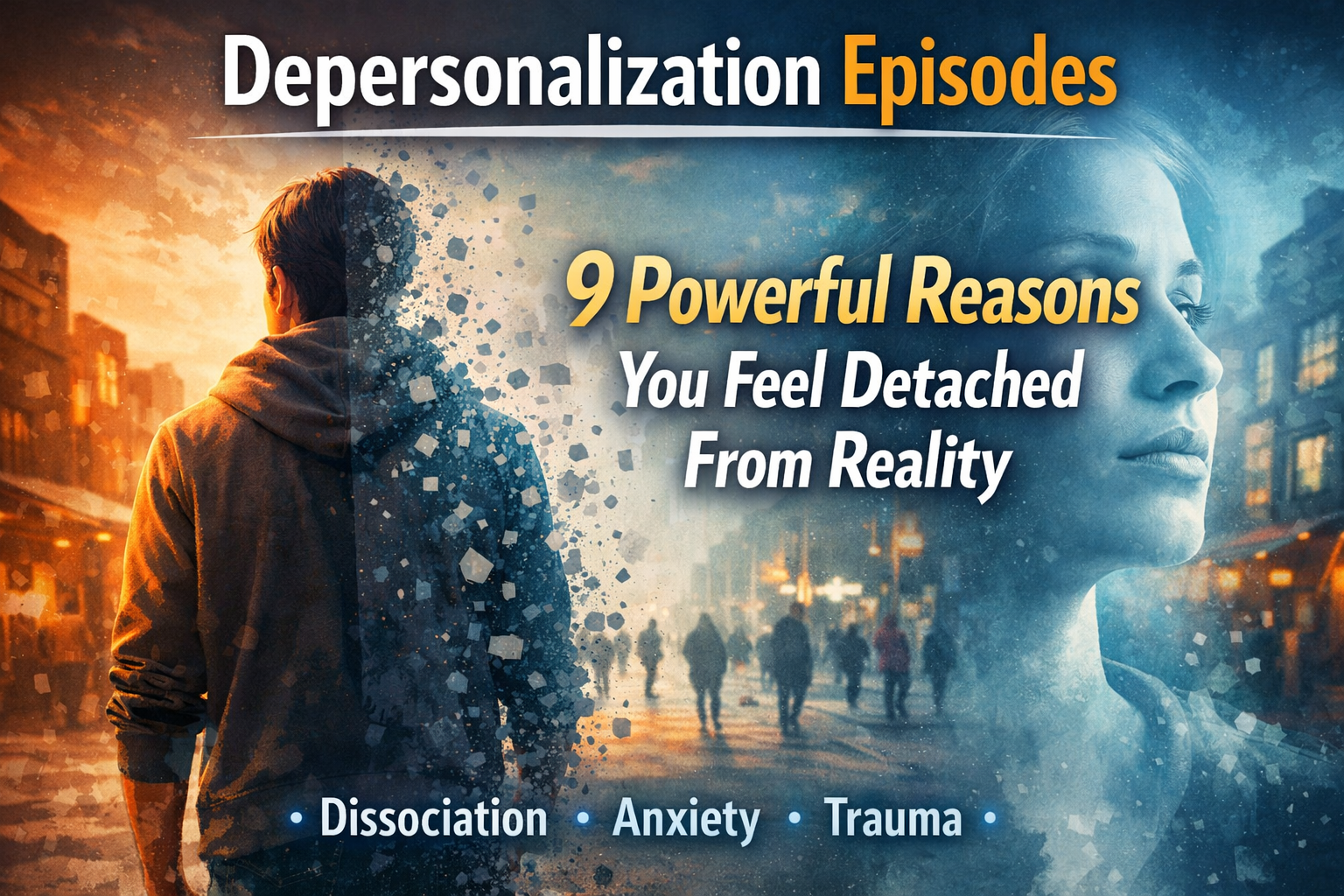
Depersonalization Episodes… Have you ever found yourself staring at your own reflection, feeling like a mere spectator in your own life? Imagine walking through a crowded street, the hustle and bustle around you fading into a blurred backdrop, while you feel detached, as if watching a movie unfold instead of living it. It’s a disconcerting sensation-an unsettling disconnect between your mind and body, leaving you questioning what’s real and what’s not. If this resonates with you, you’re not alone. Many individuals experience these surreal moments, often in the form of depersonalization episodes, where reality seems to slip through your fingers like sand. Let’s delve deeper into this perplexing phenomenon and explore the myriad of emotions it stirs within us.
Understanding Depersonalization: The Evolutionary or Psychological Reason Behind It
Depersonalization is a complex phenomenon that can leave individuals feeling detached from their own thoughts and experiences. Psychologically, it can be understood as a defense mechanism that the brain employs during stressful or traumatic situations. This response may have evolved as a survival strategy, allowing individuals to distance themselves from pain or danger.
From an evolutionary perspective, this detachment could have enabled our ancestors to remain calm in threatening environments, enhancing their ability to make rational decisions under pressure. In modern times, however, this mechanism can manifest as a disorder, leading to episodes where individuals feel as if they are observing themselves from an outside perspective.
Real-Life Examples and Famous Case Studies
Case Study: The Effects of Trauma
One significant case study involves individuals who have experienced severe trauma, such as combat veterans or survivors of abuse. Many report episodes of depersonalization as a way to cope with overwhelming emotions during and after their experiences. These cases illustrate how depersonalization can serve as a psychological shield against emotional pain.
Famous Examples: Artists and Creatives
Several well-known figures, including artists and writers, have openly discussed their experiences with depersonalization. For instance, the renowned painter Vincent van Gogh often described feelings of disconnection from reality, which some speculate influenced his art. Such accounts highlight that depersonalization is not uncommon and can affect people regardless of their background.
5 Actionable Coping Mechanisms for Depersonalization Episodes
- Grounding Techniques: Engage in activities that anchor you to the present, such as focusing on your breath or counting objects in the room.
- Mindfulness Meditation: Practicing mindfulness can help you cultivate awareness and acceptance of your thoughts and feelings, reducing the intensity of depersonalization episodes.
- Talk Therapy: Consulting a mental health professional can provide a safe space to explore your feelings and develop strategies to cope with depersonalization.
- Maintain a Healthy Lifestyle: Regular physical activity, a balanced diet, and adequate sleep can greatly improve your overall mental health and resilience against stress.
- Connect with Others: Building strong social connections can help you feel more grounded and less isolated, which can mitigate feelings of depersonalization.
Did You Know? Depersonalization is estimated to affect approximately 1-2% of the population at some point in their lives, making it a relatively common experience among individuals facing high levels of stress or trauma.
Conclusion
Experiencing depersonalization episodes can be unsettling, but understanding that it is a common response to stress and anxiety can empower individuals to seek help and find grounding techniques.
Have you ever experienced depersonalization, and if so, what strategies have you found helpful in overcoming those feelings?
Why This Experience Feels So Unsettling
Depersonalization can be one of the most disturbing mental experiences a person goes through, not always because it is physically dangerous, but because it changes the felt sense of being yourself. People often describe it as feeling unreal, emotionally distant, disconnected from their body, or as though they are watching themselves from outside rather than living directly through their own senses. Even simple tasks can feel strange. Familiar places can look flat or dreamlike. Your own voice may sound unfamiliar. Your reflection may seem oddly separate from you.
What makes depersonalization so frightening is that it often targets the very thing people rely on most without thinking: their basic sense of presence. Most of the time, you do not have to work to feel like yourself. You simply are. But during depersonalization episodes, that ordinary sense of self can seem disrupted. This creates a kind of existential fear. If your own mind and body feel unfamiliar, it can leave you wondering what is happening, whether you are losing control, or whether you will ever feel normal again.
That fear is understandable, but it is important to know that depersonalization is usually not a sign that you are “going crazy.” More often, it is a stress-related or dissociative response in which the brain tries to protect itself by creating distance from overwhelming emotion, overstimulation, fear, or internal overload. The experience feels strange because it is protective in an extreme and uncomfortable way.
What Depersonalization Actually Feels Like
Depersonalization is often described as a sense of detachment from yourself. You may feel emotionally numb, physically disconnected, or as if your actions are happening automatically. Some people describe it as being behind glass. Others say it feels like being on autopilot, moving through the day without fully inhabiting it. You may know intellectually that you are real, but emotionally the experience does not feel anchored or natural.
This is different from ordinary distraction or tiredness. It often feels more surreal. Your body may seem distant. Your hands may not feel like your own. Your thoughts may seem strangely far away. Time can feel distorted, and your surroundings may look either hyper-sharp or oddly flat and unreal. It can be especially frightening if the sensation appears suddenly, because the contrast between your normal state and the detached state can be intense.
Many people also experience derealization alongside depersonalization. Derealization involves feeling detached from the outside world, while depersonalization involves feeling detached from yourself. In practice, the two often overlap. A person may feel both unlike themselves and uncertain that the world around them feels fully real.
Depersonalization Episodes as a Protective Shutdown Response
One of the most useful ways to understand depersonalization is as a protective response rather than a random malfunction. When the nervous system becomes overwhelmed, it does not only respond with visible panic or fear. Sometimes it responds by turning down emotional intensity, reducing sensory engagement, or creating a feeling of distance. This can happen when stress, trauma, anxiety, panic, exhaustion, or overstimulation exceeds what the system can comfortably process.
In that sense, depersonalization can be understood as the mind’s attempt to create space between you and distress. If something feels too intense, the system may unconsciously try to numb, mute, or disconnect in order to make the experience more survivable. The problem is that this protective strategy often feels terrifying in itself. It may reduce emotional overwhelm temporarily, but it replaces it with unfamiliarity and fear.
This is why people sometimes enter a vicious cycle. Stress triggers depersonalization. Depersonalization feels frightening. Fear about depersonalization increases stress. Increased stress makes the depersonalization stronger or more likely to return. Breaking that cycle often starts with understanding that the sensation is defensive, not dangerous.
Common Triggers Behind Depersonalization Episodes
Depersonalization can be triggered by many different factors, and the exact combination varies from person to person. Anxiety is one of the most common triggers. When anxiety becomes intense, especially during panic attacks or prolonged periods of stress, the nervous system may shift into dissociation as a way of coping. Trauma is another major factor. People who have experienced emotional, physical, or psychological trauma may develop depersonalization as part of a larger dissociative response.
Sleep deprivation can also play a major role. When the brain is exhausted, sensory processing, emotional regulation, and stress tolerance all become less stable. Prolonged overstimulation, burnout, depression, intense emotional conflict, substance use, or major life transitions can also contribute. Even hyper-focusing on your own internal state can make depersonalization worse, especially if you become frightened by every shift in perception.
For some people, depersonalization first appears during periods of extreme pressure. For others, it seems to arrive “out of nowhere,” even though there may have been many subtle stress signals building under the surface. The trigger may not always be dramatic. Sometimes it is the cumulative weight of too much stress for too long.
The Link Between Anxiety and Depersonalization
Anxiety and depersonalization are deeply connected. When anxiety becomes intense enough, especially if it includes panic, hypervigilance, catastrophic thinking, or fear of losing control, the brain may move into a detached state. This can be especially confusing because the person may assume the strange detached feeling means something far worse is happening. In reality, the depersonalization may be one of the ways the nervous system is trying to contain the anxiety.
People with health anxiety, panic disorder, or chronic stress often become especially frightened by dissociative sensations. They may monitor themselves constantly, checking whether they feel real, whether their body feels normal, whether their voice sounds strange, or whether the environment looks “off.” That constant checking can intensify the experience because it increases internal threat perception.
When anxiety is the main driver, one of the most important parts of healing is reducing fear of the symptom itself. The detached feeling is often less harmful than the panic about what it means. Once the brain stops interpreting the sensation as proof of catastrophe, the cycle often begins to loosen.
How Trauma Can Shape This Experience
Trauma can play a major role in depersonalization, especially when a person has lived through experiences that felt overwhelming, inescapable, or emotionally unbearable. In traumatic situations, dissociation can serve as a powerful survival tool. If the body cannot physically escape, the mind may create distance psychologically. This kind of detachment can reduce the emotional intensity of what is happening in the moment.
Later in life, that same protective mechanism may reactivate during stress, even when the current situation is not objectively traumatic. The nervous system has learned that when overwhelm rises, disconnecting is one way to cope. This does not mean the response is deliberate or conscious. It usually happens automatically, based on learned protective patterns.
For trauma survivors, depersonalization can be especially frightening because it may carry echoes of earlier helplessness or disconnection. It can also feel deeply lonely, as though you have lost access to yourself. Understanding the trauma link can help reduce shame. The response is not a sign of weakness. It is often a sign that your system adapted creatively to pain and is still using old strategies to stay safe.
Why Looking in the Mirror Can Feel Strange
Many people experiencing depersonalization become especially distressed when they look in the mirror. Their reflection may feel unfamiliar, emotionally flat, or oddly separate. This can be deeply unsettling because mirrors usually confirm our sense of continuity. We expect to see ourselves and feel recognition. During depersonalization, that emotional recognition may be disrupted even if visual recognition remains intact.
This does not mean you literally do not know who you are. It usually means the normal feeling of self-connection is temporarily weakened. The face in the mirror is still yours, but the emotional sense of “that is me” may not fully land in the usual way. That gap can feel eerie and frightening.
The more you stare at yourself looking for reassurance, the stranger it may feel. This is partly because intense self-monitoring increases dissociation. When you study yourself too closely from a place of fear, you may deepen the sense of separation. Gentle grounding is often more helpful than repeated checking.
Why Ordinary Life Can Suddenly Feel Dreamlike
One of the defining features of depersonalization and derealization is the dreamlike quality they can create. Streets, rooms, conversations, and everyday objects may seem slightly off. The world may look too sharp, too distant, too flat, or emotionally empty. Even though you know you are awake, the environment may feel strangely unreal. This is one reason the experience can provoke so much fear.
This dreamlike feeling is often the result of altered attention and heightened self-consciousness. When your nervous system is dysregulated, perception can shift. You may become overly focused on internal sensation while simultaneously feeling disconnected from it. The world is still the same, but the way your mind is processing it feels altered. That altered processing creates the eerie impression that reality itself has changed.
It is important to remember that this sensation, while disturbing, does not necessarily mean you have lost touch with reality. In fact, people experiencing depersonalization often remain very aware that something feels wrong, which is different from not knowing what is real. The fear often comes precisely because you do notice the strangeness so sharply.
The Role of Stress, Burnout, and Exhaustion
Many people underestimate how strongly chronic stress and exhaustion can affect perception. When your system has been under pressure for a long time, it may eventually start coping in less obvious ways. Instead of a dramatic collapse, you might begin feeling emotionally numb, mentally foggy, disconnected, or unreal. Burnout can narrow emotional bandwidth and reduce your felt sense of presence.
Sleep deprivation is especially powerful here. Poor sleep disrupts emotional regulation, attention, sensory integration, and the ability to recover from stress. After long enough, the mind may start feeling detached simply because it is overworked and under-rested. High caffeine intake, prolonged screen exposure, nonstop busyness, and lack of restorative downtime can also keep the nervous system too activated for too long.
If depersonalization has shown up during an intensely stressful chapter of life, that does not mean the experience is “just in your head” in a dismissive way. It means your body and mind may be asking for regulation, recovery, and safety more urgently than you realized.
Why Fear of the Feeling Makes It Worse
One of the hardest parts of depersonalization is that the sensation itself often becomes the new source of fear. You notice that you feel disconnected, and then you start asking frightening questions. What if this never goes away? What if I am losing my mind? What if I stop feeling like myself completely? Those thoughts create more anxiety, and more anxiety tends to intensify the dissociation.
This is why depersonalization often becomes self-reinforcing. The original stress response might have been temporary, but your fear of it keeps your nervous system activated. You start scanning constantly to see whether you feel normal yet. You check your reflection, your voice, your emotions, your surroundings, and your thoughts. That constant monitoring keeps attention locked on the problem and makes it harder for your system to settle naturally.
Reducing the fear of the sensation is often a turning point. The detached feeling may still be unpleasant, but once it is no longer interpreted as catastrophic, it tends to lose some of its power. Calm does not always come instantly, but the cycle often weakens when panic about the symptom starts to soften.
How Grounding Helps Bring You Back
Grounding is one of the most helpful approaches for depersonalization because it gently brings attention back into the body and the present moment. The goal is not to force yourself to “feel normal” immediately. The goal is to reduce the sense of floating, distance, or unreality by reconnecting with direct sensory experience. This can include noticing textures, temperatures, sounds, colors, and pressure points in the body.
Simple actions often work best. Hold something cold. Press your feet into the floor. Describe five things you can see. Wash your hands in warm water and focus on the sensation. Speak out loud and hear your own voice in the room. Touch familiar objects. Stretch gently. Eat something with a strong taste. These acts help anchor perception in the present rather than in fearful internal monitoring.
Grounding works best when done with patience. If you use it frantically, as if trying to force the episode away, you may stay locked in fear. If you use it as a way of calmly reorienting yourself, it often helps the nervous system settle more effectively.
What Helps in Daily Life
Outside of acute episodes, daily regulation matters a great deal. Regular sleep, balanced meals, hydration, movement, time away from overstimulation, and reduced caffeine or substance use can all support a more stable nervous system. When the body is better regulated, depersonalization often becomes less intense or less frequent. This does not mean lifestyle changes solve everything, but they create a stronger foundation for recovery.
It can also help to reduce compulsive checking. Repeatedly asking yourself whether you feel real, whether the world looks normal, or whether your reflection feels familiar often keeps the cycle going. The mind starts treating internal sensations like threats to monitor constantly. Shifting away from that habit can be difficult, but it often reduces the intensity over time.
Consistent routines can help too. Depersonalization tends to feel worse when life feels chaotic, overstimulating, or emotionally unpredictable. Structure, rest, supportive relationships, and gentle self-care all help communicate safety to the nervous system.
When Professional Support Can Help
If depersonalization episodes are frequent, prolonged, highly distressing, or interfering with daily life, professional support can be very helpful. Therapy can help identify whether anxiety, trauma, panic, burnout, depression, or other factors are contributing to the episodes. It can also provide tools for grounding, emotional regulation, and reducing fear of the experience itself.
Trauma-informed therapy may be especially useful if dissociation is linked to overwhelming past experiences. In those cases, the goal is not just to manage the episodes, but to help the nervous system feel safer overall. If panic is involved, therapy can also help reduce catastrophic interpretations that keep the cycle active.
Seeking help does not mean your symptoms are extreme or that something is deeply wrong with you. It means you deserve support for an experience that can feel frightening and isolating. Many people improve significantly once they understand what is happening and stop facing it alone.
Depersonalization Episodes and the Fear of Losing Yourself
One of the deepest emotional layers of depersonalization is the fear that you are somehow disappearing from yourself. This fear can be hard to describe to others because it is not always about visible panic. It is about a loss of felt intimacy with your own existence. You know you are still here, but you do not feel fully present in the usual way. That gap can bring intense grief, confusion, and loneliness.
It is important to remember that the feeling of disconnection is not the same as actual loss of self. The self is still there. What changes is the quality of access to it in that moment. Depersonalization is not proof that you have vanished. It is proof that your system is using distance as a protective strategy. That distinction matters, especially when the experience makes you feel like something fundamental has broken.
For many people, healing begins when they stop fighting the feeling as evidence of permanent damage and start recognizing it as a temporary state their nervous system has entered. That shift often creates enough safety for the mind and body to begin reconnecting more naturally.
Recovery Often Happens Gradually
Many people want depersonalization to disappear immediately, which is understandable. The experience is uncomfortable and often frightening. But recovery often happens in a gradual way. The episodes may become shorter, less intense, or less emotionally charged before they disappear entirely. You may still notice moments of disconnection, but feel less afraid of them. Over time, that reduced fear often helps the nervous system stay more grounded overall.
This gradual process can be frustrating, especially if you are monitoring progress closely. But it helps to remember that nervous systems often heal through repetition rather than one dramatic breakthrough. Every time you ground gently, sleep a little better, reduce panic about the sensation, or move through an episode without catastrophizing, you are giving your system new evidence that it does not have to stay in full protective distance.
Healing is often less about forcing your way back to normal and more about creating the conditions in which your system feels safe enough to return on its own.
Final Thoughts
Depersonalization episodes can feel surreal, frightening, and deeply isolating, especially when they make you feel detached from your own body, thoughts, or reflection. But these experiences are often best understood not as signs that you are broken, but as stress-based or trauma-linked protective responses. When the nervous system becomes overwhelmed, it sometimes creates distance in order to cope. That distance feels strange, but it is often rooted in survival rather than dysfunction.
Anxiety, trauma, panic, burnout, exhaustion, and chronic stress can all contribute to depersonalization. So can fear of the sensation itself. The more frightening the experience feels, the more the cycle can reinforce itself. That is why grounding, regulation, compassion, and understanding are so important. The goal is not to bully yourself back into feeling normal. It is to help your system feel safe enough that normal presence can return.
If you have been experiencing depersonalization, you are not alone, and you are not losing yourself in the way it may feel. The sensation is real, but it is also workable. With the right support, a calmer relationship to the symptoms, and a nervous system that is given room to recover, the sense of disconnection can soften. And little by little, life can begin to feel like yours again.